

 Phoenix 24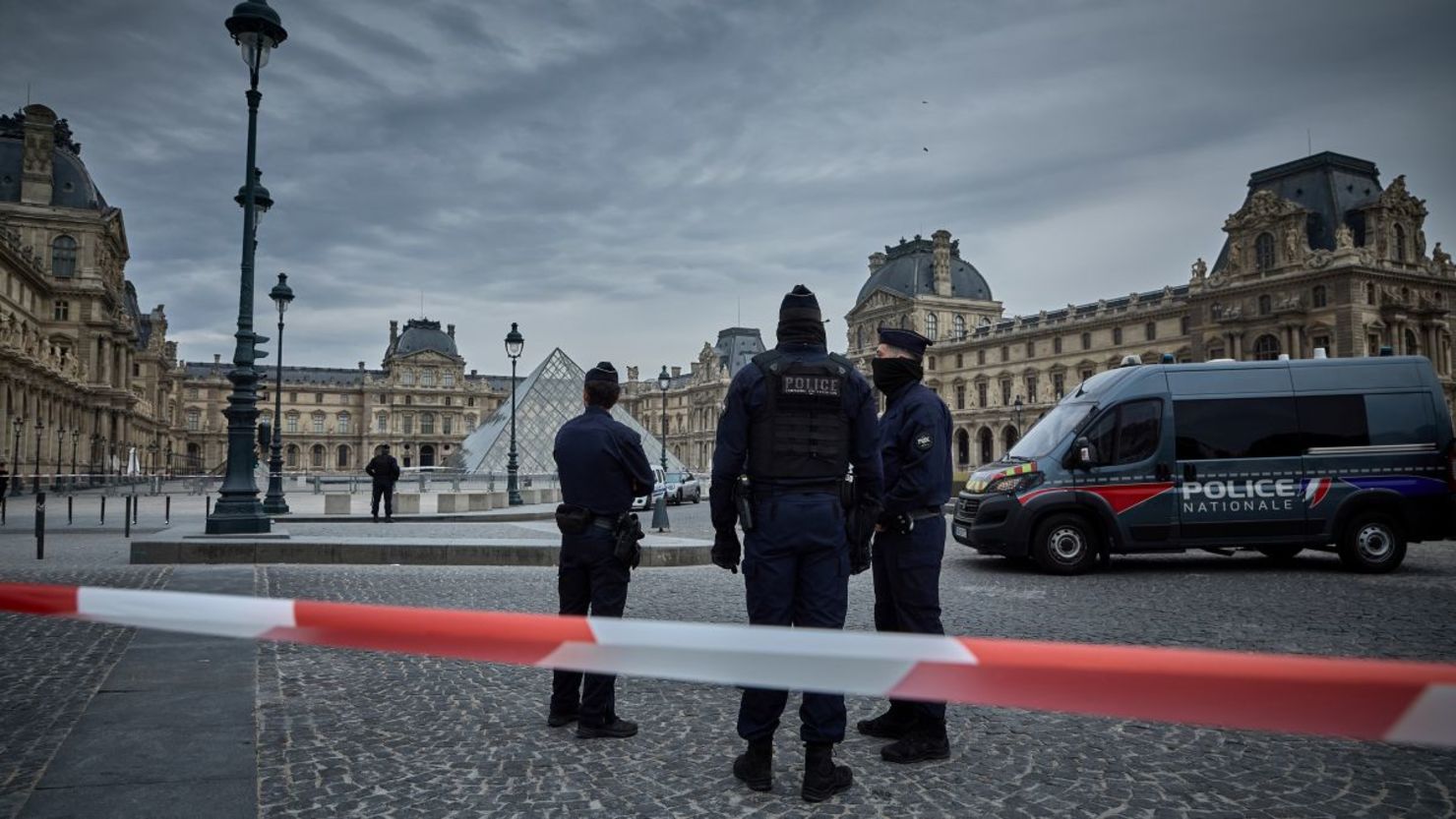
When history steals from itself, it’s not just a museum that is robbed — an entire civilization loses a fragment of its memory.
Paris, October 2025.
Nine imperial jewels linked to Napoleon Bonaparte have been stolen from the Louvre Museum in what French authorities describe as a “military-precision operation.” The robbery, carried out in just a few minutes during morning visiting hours, has exposed a symbolic weakness at the cultural core of France.
According to the Interior Ministry, the thieves entered through a lateral restoration area and accessed the famous Galerie d’Apollon, where the pieces were displayed. They broke the reinforced glass cases and escaped on motorcycles before perimeter lockdown procedures could activate. No major artworks were damaged, but the institutional impact was immediate: France now faces its most serious heritage theft in more than three decades.
Among the stolen items were ornaments once belonging to Empress Eugénie de Montijo, wife of Napoleon III, along with imperial brooches and 19th-century medallions. Their historical value far exceeds any market estimate, and their loss strikes at the heart of a nation that has made cultural memory a cornerstone of identity.
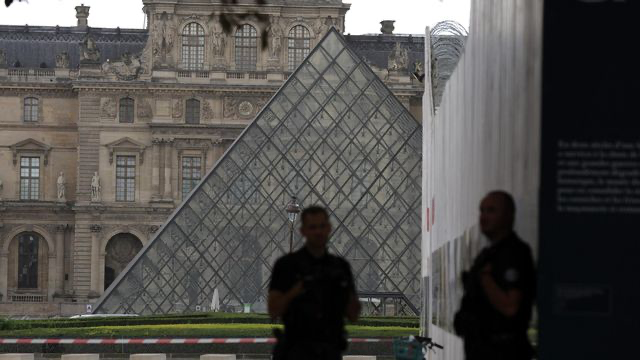
The Ministry of Culture acknowledged that the attack was “surgical,” executed by a group with prior knowledge of both the museum’s security routines and the symbolic worth of the artifacts. Heritage specialists from UNESCO believe the theft may be linked to an international art-trafficking network operating between Central Europe, Latin America, and Asia. Such organizations use sophisticated smuggling routes to dismantle objects, alter their authenticity, and sell them into the shadowy world of private collecting.
In Brussels, Europol immediately offered assistance to French investigators, while Interpol issued a global alert to locate the jewels. The International Centre for the Study of the Preservation and Restoration of Cultural Property (ICCROM) estimates that more than 30 percent of European art thefts involve intermediaries posing as restorers or private consultants — a pattern consistent with the speed and precision of the Paris operation.
From the Americas, the Smithsonian Institution in Washington highlighted that major museums now face a growing paradox: welcoming global tourism while defending themselves from transnational criminal syndicates. Meanwhile, analysts at the Asia Art Archive in Hong Kong noted that illicit trade in European pieces has increasingly shifted toward Asian markets, where demand for Western relics remains high.
The theft transcends material loss. It represents a moral fracture that questions the capacity of states and institutions to safeguard history itself. French sociologist Michel Dumas, a scholar of symbolic heritage, warns that “when history becomes loot, civilization enters a state of inner fragility.”
The case has reignited debate over public funding for museum security. France — the cradle of universal art — must protect a collection exceeding one million works while balancing tourism, conservation, and austerity. In the French Senate, lawmakers are already proposing a European Cultural Defense Fund, modeled on NATO-style cooperation, to protect museums, archives, and libraries of exceptional value.
Ultimately, the Louvre heist is not only the loss of imperial jewels but a global warning. If the world’s most iconic museum can be breached, no heritage is truly safe. The theft was an act of technical audacity — and a symbolic declaration that memory, when taken for granted, becomes fragile.
Phoenix24: claridad en la zona gris. / Phoenix24: clarity in the grey zone.