

 Phoenix 24
Cultural access is becoming a weekly policy.
Buenos Aires, March 2026
Colón Fábrica is extending its opening schedule to every day of the week, turning what was already a distinctive cultural space into a more accessible destination for both residents and visitors. Beginning April 1, the venue will operate daily from 10 a.m. to 6 p.m., while also adding two free admission windows on Tuesdays for self guided visits. The change does more than expand public hours. It signals a stronger institutional effort to bring the Teatro Colón’s scenographic and artistic heritage closer to a broader audience through a more regular and less restrictive model of access.
That matters because Colón Fábrica is not simply another museum extension or storage facility dressed up for tourism. It functions as a public doorway into the backstage world of one of Latin America’s most emblematic opera houses, preserving and displaying original sets, costumes, props, and large scale theatrical pieces that rarely occupy the center of cultural policy debates. By opening every day, the institution is effectively repositioning those materials from occasional attraction to permanent civic offering. In practical terms, that elevates technical theater heritage into a more visible part of the city’s cultural landscape.
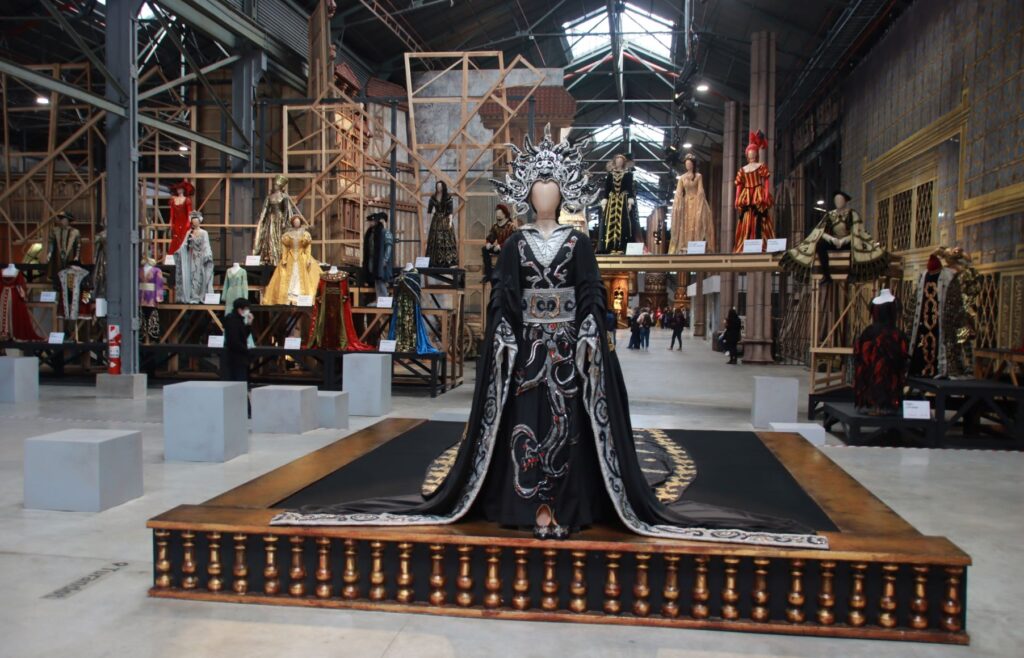
The decision also reflects a wider shift in how major cultural institutions are thinking about public relevance. Access is no longer measured only by prestige, symbolic value, or the excellence of the collection itself. It is increasingly judged by how easily people can enter, how flexible the schedule is, and whether cost becomes a barrier to participation. The new Tuesday free access windows speak directly to that logic. They suggest that expanding cultural legitimacy today involves not only preserving heritage, but designing conditions under which more people can actually encounter it.
For Buenos Aires, the move carries urban significance as well. The city has long cultivated an identity linked to theater, music, literature, and public culture, yet that identity depends on keeping major institutions connected to everyday life rather than sealed behind reputation. Colón Fábrica helps bridge that gap because it makes visible the hidden labor and craftsmanship behind the main stage. What audiences often experience as finished spectacle at the Teatro Colón is broken open here into scenery, texture, design, and construction. Daily access allows that backstage intelligence to become part of a more continuous public conversation.
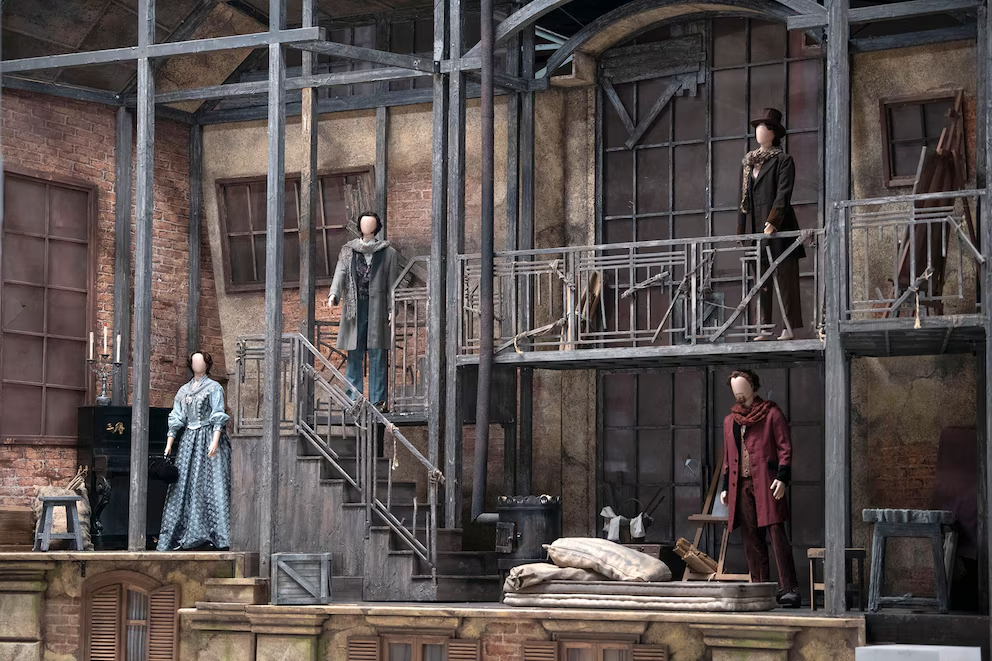
There is also an educational dimension beneath the schedule change. Spaces like this do not only entertain. They teach visitors how cultural production is assembled, how visual worlds are built, and how artistic institutions rely on material work that often remains invisible in formal performance settings. In a time when many cultural experiences are increasingly digital, accelerated, or reduced to image circulation, the chance to walk among physical scenographies and stage artifacts offers a different rhythm of attention. It reconnects spectators with scale, craft, and the physical architecture of imagination.
The free Tuesday windows are especially important in that context. They do not eliminate all barriers, since guided visits remain ticketed, but they introduce a more open channel for those who might otherwise postpone or avoid the experience. This matters not just socially, but symbolically. When a major cultural institution creates no cost access periods, it is making a statement about belonging. It is saying that heritage of this kind should not be reserved only for tourists, specialists, or those already comfortable inside formal cultural circuits.
At the same time, the decision reflects a realistic understanding of contemporary cultural competition. Cities now compete not only through monuments and flagship institutions, but through how inviting, navigable, and publicly useful those spaces feel. A venue that opens more days, offers clearer access, and invites repeated visitation becomes stronger as both civic infrastructure and cultural tourism asset. Colón Fábrica is therefore reinforcing two roles at once. It is deepening its function as an educational and patrimonial site while also becoming a more stable attraction inside Buenos Aires’s broader cultural economy.

The larger pattern is clear. Cultural institutions are under growing pressure to prove that preservation alone is not enough. They must also demonstrate accessibility, frequency, and public intelligence in the way they manage their collections and spaces. Colón Fábrica’s daily opening answers that challenge in a concrete way. It transforms access from occasional opportunity into weekly structure, and in doing so gives new life to the hidden machinery of one of Argentina’s most celebrated artistic institutions.
Información que anticipa futuros. / Information that anticipates futures.