

 Phoenix 24
The most accidental icons often survive longest.
Buenos Aires, June 2026
Mafalda, the most famous creation of Argentine cartoonist Quino, was born from an idea that never achieved its original commercial purpose. Before becoming a cultural symbol of Latin American intelligence, irony, and moral discomfort, the character emerged from a frustrated advertising project designed to promote household appliances through a family comic strip.
That failed campaign became one of the most productive accidents in Spanish-language popular culture. Instead of disappearing with the rejected advertisement, Mafalda found her own life as a newspaper character and quickly became something far more powerful than a marketing device. She became a child capable of asking adult questions with uncomfortable precision.
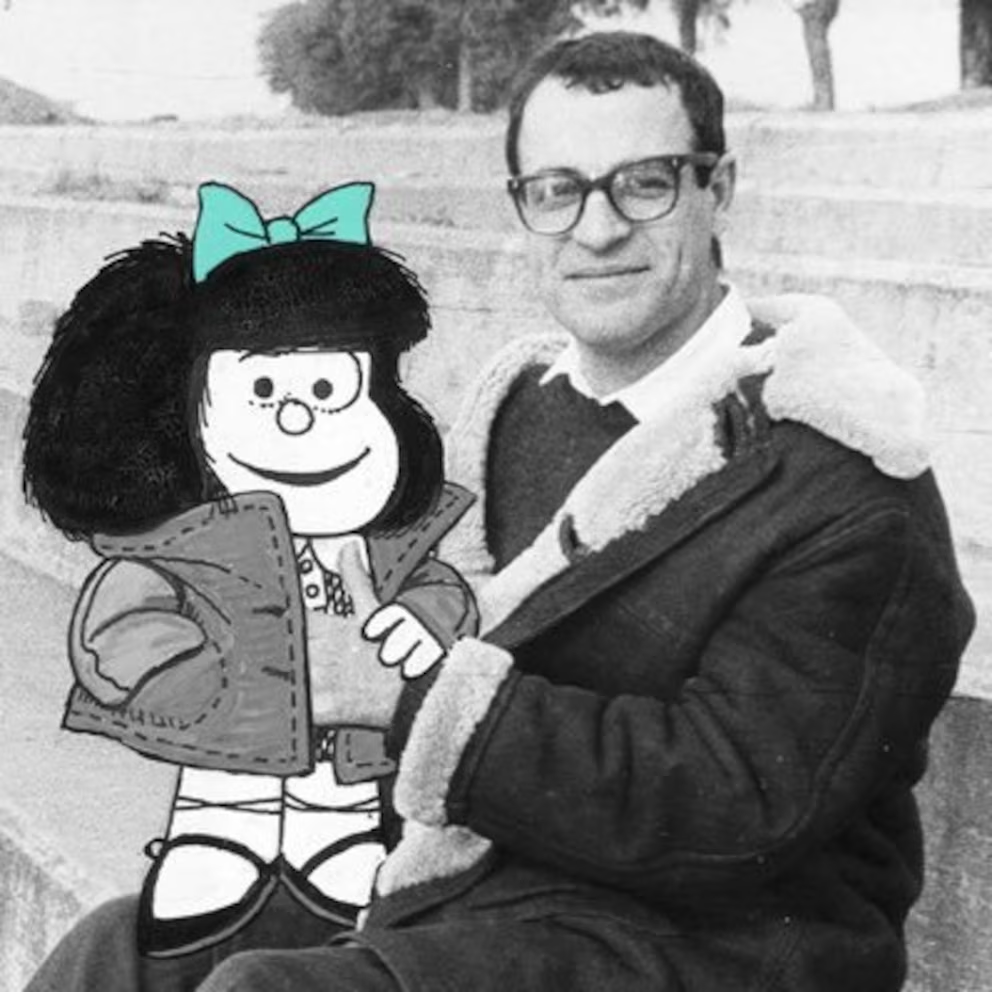
Quino’s genius was not only in drawing a clever girl. It was in building a universe where childhood innocence collided with war, inequality, consumerism, bureaucracy, authoritarianism, and the absurdities of modern life. Mafalda looked at the world from below, but her questions struck upward. That contrast gave the strip its enduring political and emotional force.
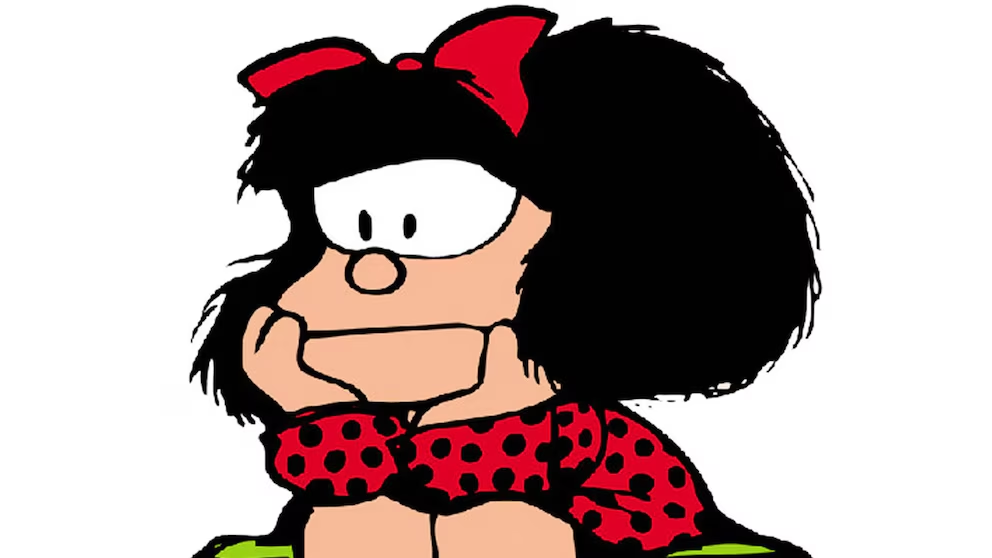
The character’s origin also reveals how cultural history often escapes the intentions of its creators and sponsors. Mafalda was not planned as a global emblem of critical thought. She was born inside the logic of advertising, then broke free from it. What began as a tool for selling products became a mirror for societies trying to understand themselves.
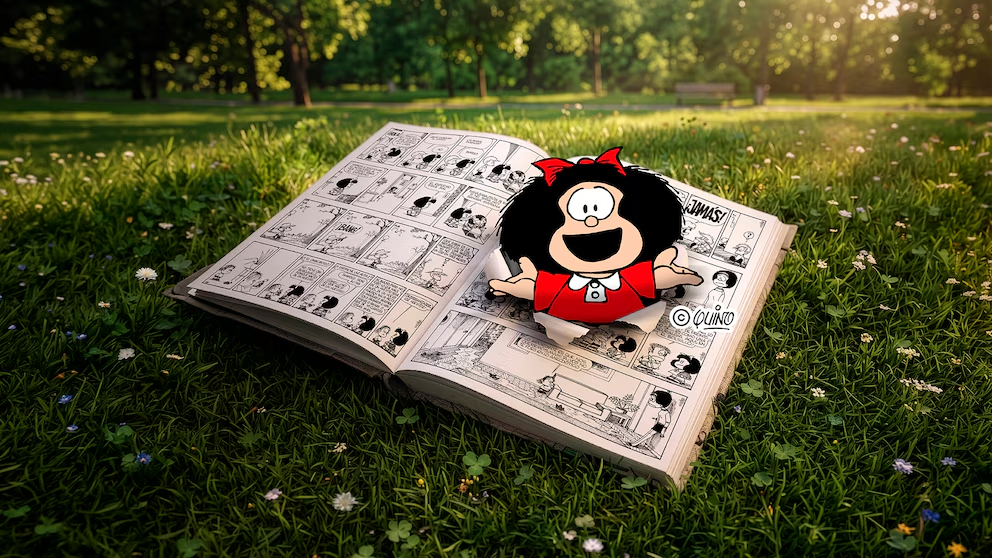
More than six decades later, Mafalda remains relevant because the problems she questioned never disappeared. Her skepticism toward power, her impatience with injustice, and her refusal to accept adult hypocrisy continue to resonate across generations. She belongs to Argentina, but also to every reader who has ever felt that the world is too serious to be left unquestioned.
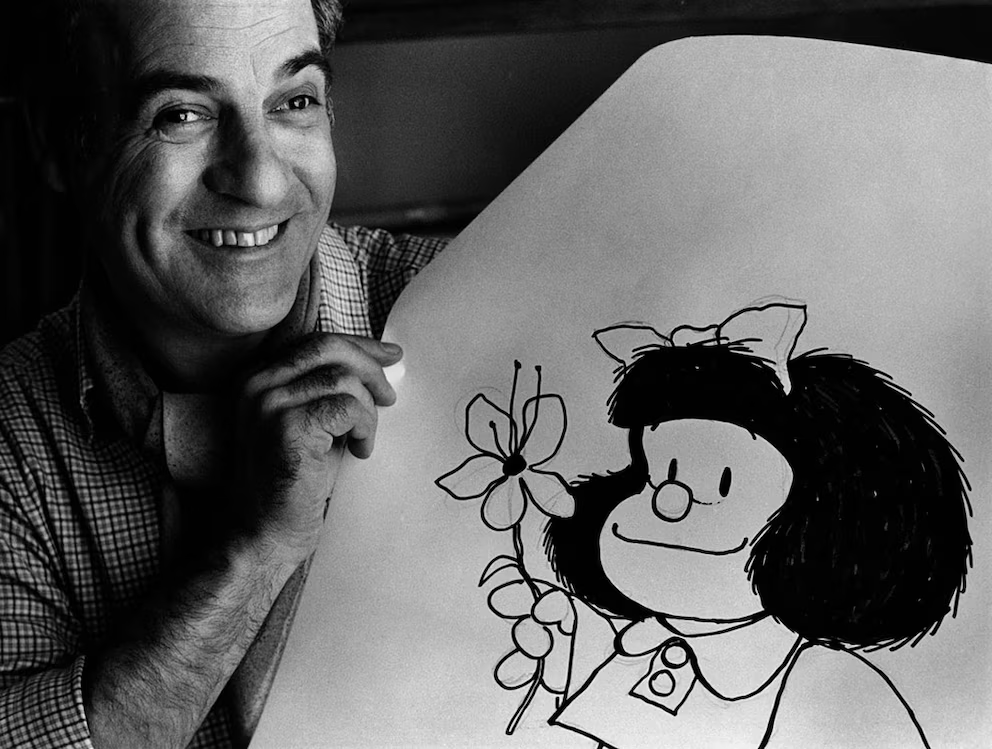
In that sense, Mafalda’s secret history is not only about an abandoned publicity campaign. It is about the strange route by which art sometimes defeats its own commercial origin. Quino created a character for one purpose, but history used her for another: to remind adults that intelligence can wear a child’s face.
Narrative is power too. / La narrativa también es poder.