

 Phoenix 24
The timeline is losing its throne.
Beijing, March 2026
CapCut Video Studio is trying to redefine video editing by removing the traditional timeline and replacing it with a visual canvas supported by artificial intelligence. The new tool, developed by ByteDance, presents itself as a simpler and more flexible environment for building videos without relying on the layered sequencing logic that has shaped editing software for decades. Its core promise is not just convenience. It is a different philosophy of creation, one that treats editing less as technical assembly and more as visual orchestration.
The platform combines four central elements that explain its ambition. An AI agent helps users shape stories, structure scenes, and generate ideas, while an integrated storyboard organizes the narrative visually from the beginning of the project. Dreamina Seedance 2.0 functions as the generative engine for images and clips, aiming to preserve consistency in characters, scenes, and style across the video. A refinement toolkit then allows more detailed adjustments directly in the browser, reducing the need for heavier postproduction workflows.
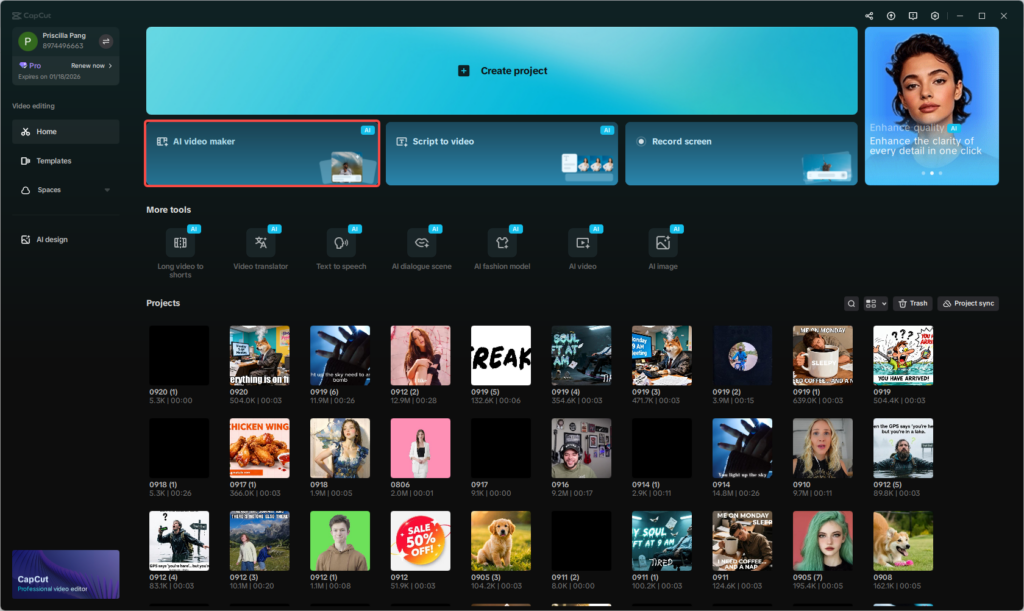
That combination matters because one of the biggest weaknesses in generative video has been coherence. It is relatively easy for AI systems to produce isolated visuals, but much harder to maintain identity, tone, and continuity across a full project. CapCut is clearly trying to solve that gap by integrating visual generation with narrative planning and editing logic inside the same environment. If it works as intended, the platform does not just speed up editing. It narrows the distance between idea, draft, and publishable output.
The removal of the timeline is the most symbolic part of this shift. For professional editors, the timeline has long been the grammar of the craft, the place where rhythm, order, and precision become visible. But for new creators, it can also be intimidating, technical, and slow to learn. CapCut’s canvas model suggests that ByteDance sees the next wave of creators not as software specialists, but as visually driven producers who want control without the burden of mastering legacy editing architecture.
That makes the product strategically significant beyond its interface. Video production is expanding across marketing, education, small business communication, and creator culture, and many of those users do not want to spend months learning traditional editing logic. They want speed, acceptable quality, and enough creative freedom to publish consistently. CapCut Video Studio is designed for that audience, especially for individuals and small teams who need to produce polished content without large budgets or specialized staff.
The company also appears to understand that accessibility has become part of platform competition. By offering free credits to test premium functions and rolling out advanced features first in regions such as Latin America, Southeast Asia, the Middle East, and North Africa, ByteDance is targeting markets where creator demand is growing fast and production resources are often more constrained. That regional strategy is not incidental. It reflects a view of the next digital content economy as global, distributed, and increasingly shaped outside the old production centers.
There is also a deeper industry implication here. As editing tools become more cloud based, more collaborative, and more dependent on integrated AI, the distinction between editing, scripting, and visual generation begins to blur. What was once a sequence of separate stages is becoming a more unified process. CapCut’s model points toward a future in which creators move through ideation, composition, asset generation, and refinement inside a single interface that hides much of the technical friction underneath.
That does not mean traditional editing software is about to disappear. High end production, complex postproduction, and advanced cinematic workflows still require precision environments that a canvas based system may not fully replace. But not every market is trying to make cinema. Much of today’s video economy is built on explainers, social clips, ads, tutorials, short campaigns, and visual storytelling designed for speed across platforms. In that environment, the question is not whether CapCut can replace everything. It is whether it can replace enough to shift expectations.

If that happens, the real impact will be cultural as much as technical. Video editing will move further away from being seen as a specialized software skill and closer to being treated as a natural extension of digital communication. The barrier to entry will not vanish, but it will become less intimidating and more visual. That may expand creative participation, but it will also intensify competition in an ecosystem where speed and volume already shape visibility.
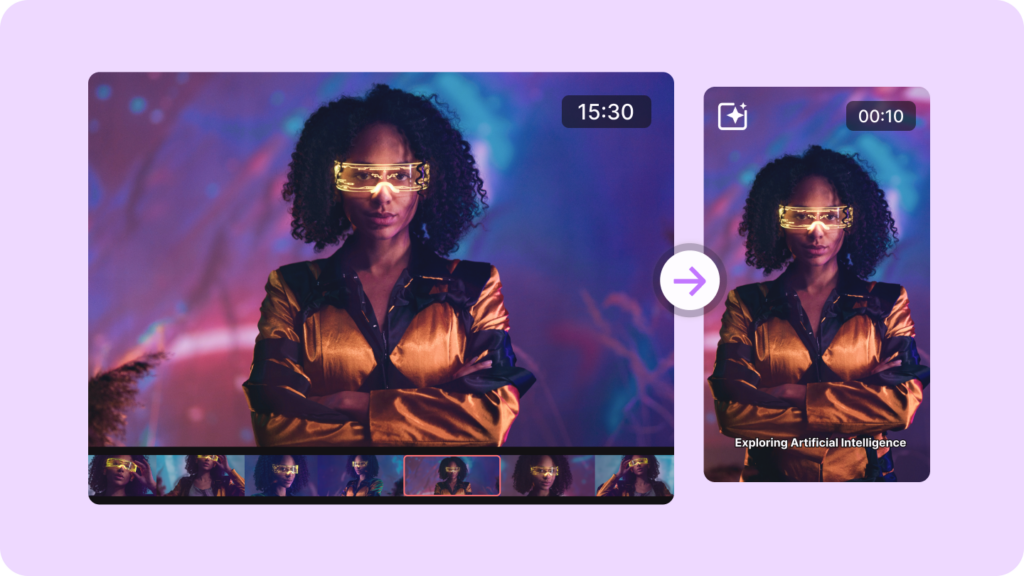
CapCut Video Studio therefore matters not only because it adds more AI to editing, but because it challenges the older logic of how editing should look and feel. ByteDance is betting that the next standard will be less linear, less technical, and more guided by visual thinking assisted by machine generation. Whether that model becomes dominant or not, the direction is clear. The future of editing is no longer being designed only for editors.
Phoenix24: inteligencia para audiencias libres. / Phoenix24: intelligence for free audiences.