

 Phoenix 24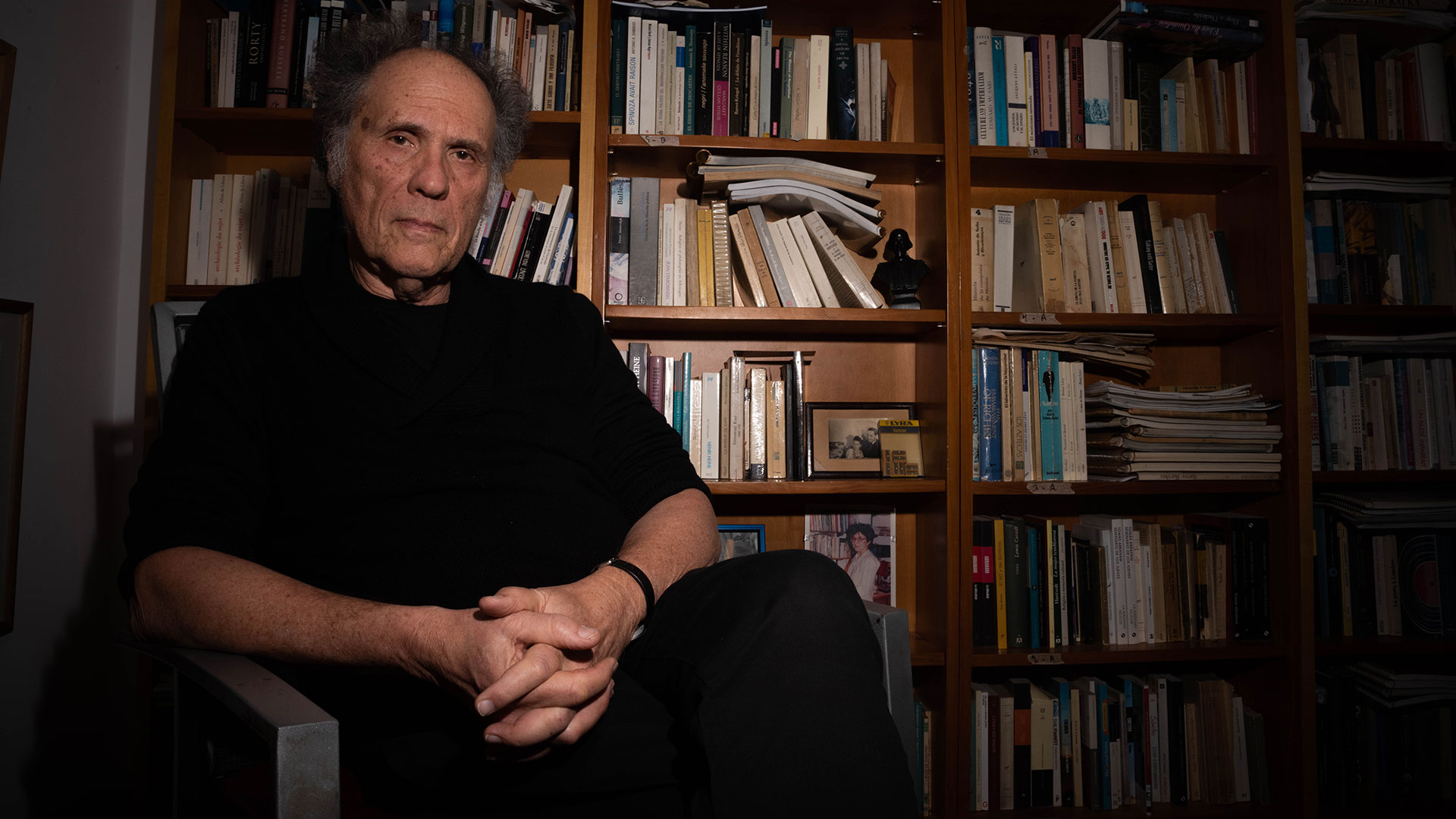
Thinking again begins by refusing inertia.
Buenos Aires, March 2026
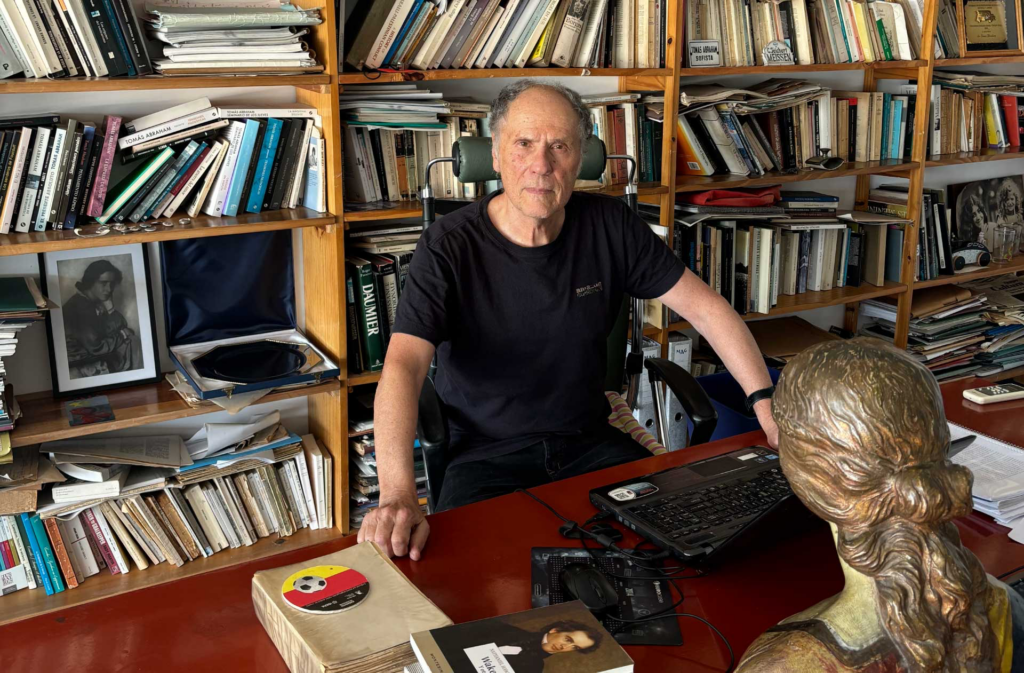
Tomás Abraham has returned to the public conversation with a new book that proposes something increasingly unusual in contemporary debate: stepping back from the obsession with power in order to recover the value of culture, memory, and intellectual autonomy. In Pensar de nuevo, the Argentine philosopher invites readers to distrust the automatic reflexes of political language and to reenter a space where reflection is not reduced to immediate ideological alignment. The gesture matters because it appears at a time when public discourse is increasingly dominated by speed, reaction, and positioning. What Abraham is offering is not an escape from politics, but a challenge to the way politics has come to colonize almost every form of thought.
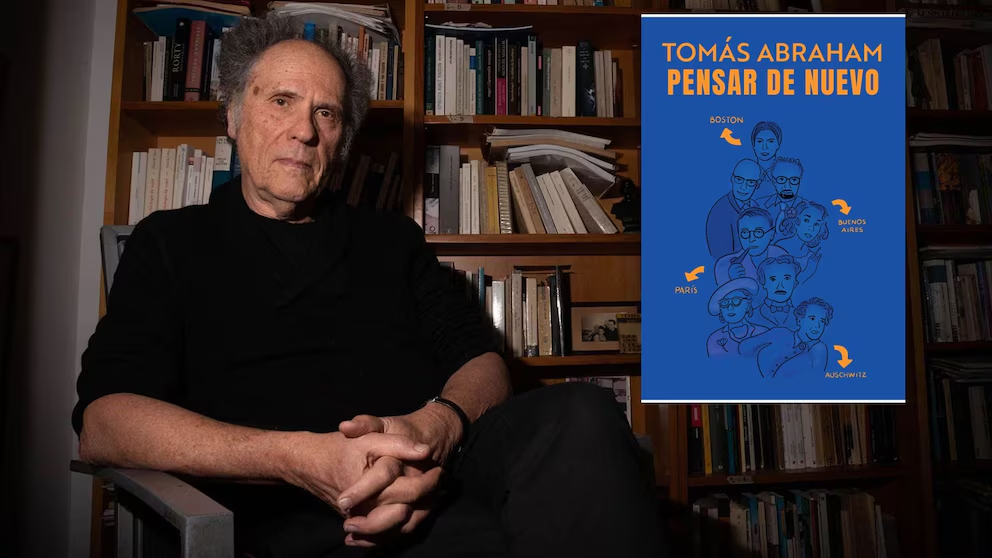
That intervention carries weight because Abraham is not speaking from outside the region’s intellectual history. For decades, he has occupied a recognizable place in Argentina’s essayistic and philosophical landscape, often writing in tension with prevailing orthodoxies and public consensuses. His new book extends that posture by arguing, in effect, that society cannot be understood only through governments, leaders, and institutional struggle. There are deeper layers that shape collective life, including artistic imagination, inherited values, and the symbolic worlds through which a culture recognizes itself. To recover those layers is also to recover a different scale of judgment.
The relevance of that move is especially clear in a period when politics often appears as permanent spectacle. Public life increasingly rewards instant opinion, emotional escalation, and rhetorical tribalism, while slower forms of interpretation are treated as decorative or secondary. In that environment, culture is often pushed to the margins unless it can be weaponized for ideological confrontation. Abraham’s book pushes against that logic by suggesting that culture should not merely illustrate political conflict, but help society think beyond it. The point is not to depoliticize reality, but to resist the reduction of all reality to partisan reflex.
That makes Pensar de nuevo more than a book launch framed around one philosopher’s latest ideas. It enters a wider debate about the poverty of contemporary public language. When everything is filtered through tactical urgency, there is little room left for nuance, contradiction, or intellectual risk. Abraham seems to insist that genuine thought requires a certain estrangement from the noise of immediate alignment. To think again is not simply to update an opinion. It is to interrupt repetition and reopen the possibility that the dominant questions themselves may be badly framed.
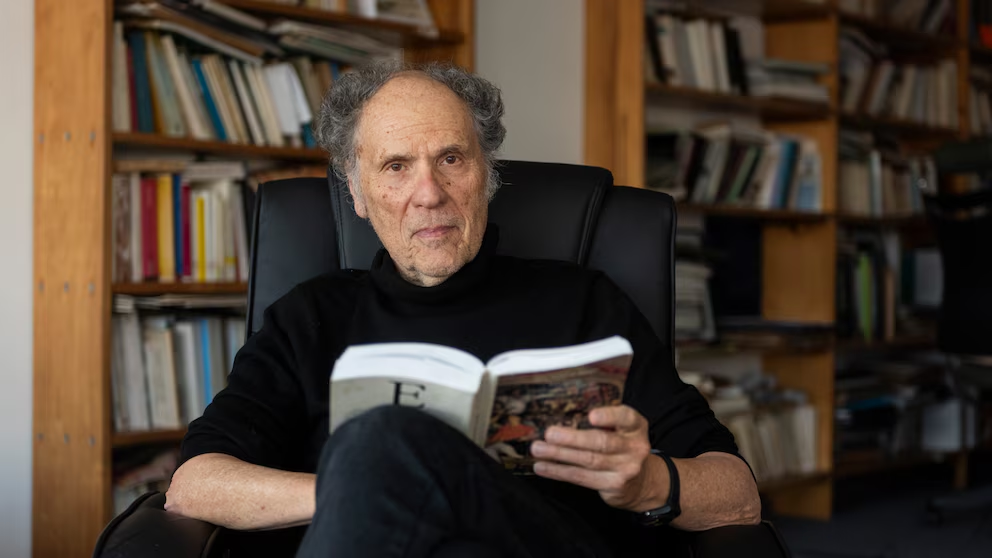
There is also a generational significance in this kind of intervention. Younger readers and students are coming of age inside media ecosystems where ideological identity often arrives before deep reading, and where political visibility can substitute for intellectual formation. A book that calls readers back toward culture, memory, and independent reflection therefore performs an educational function beyond its formal argument. It reminds the public that citizenship is not sustained only by opinion, but by the ability to interpret symbols, inherit traditions critically, and confront one’s own assumptions without reducing everything to slogans.
The cultural emphasis is crucial here. Abraham’s argument appears to rest on the belief that societies are not held together by institutions alone. They are also sustained by shared references, artistic production, moral sensibilities, and forms of memory that outlast the daily cycle of political conflict. Once those layers weaken, public life becomes flatter and more reactive. Politics then expands precisely because the other sources of meaning shrink. To defend culture in that context is not an ornamental gesture. It is a way of resisting civic impoverishment.
That is why the book resonates beyond literary circles. It speaks to a broader fatigue with public discourse that feels permanently urgent yet increasingly sterile. Across Latin America and elsewhere, many citizens live inside democracies saturated with argument but starved of reflection. There is no shortage of opinion, outrage, or commentary, but there is a shortage of thought capable of reorganizing perception. Abraham’s intervention touches that wound directly. He suggests that before societies can act differently, they may need to learn again how to think differently.
The larger pattern is difficult to ignore. Cultural life is once again being asked to defend its relevance against a climate that treats utility, immediacy, and conflict as the only serious registers of public meaning. Books like Pensar de nuevoenter that battle by affirming that reflection is not a luxury left over after politics, but one of the conditions that makes politics worth inhabiting at all. Abraham is not proposing withdrawal. He is proposing reorientation. In a time of accelerated certainties, that may be the more disruptive act.
Lo visible y lo oculto, en contexto. / The visible and the hidden, in context.