

 Phoenix 24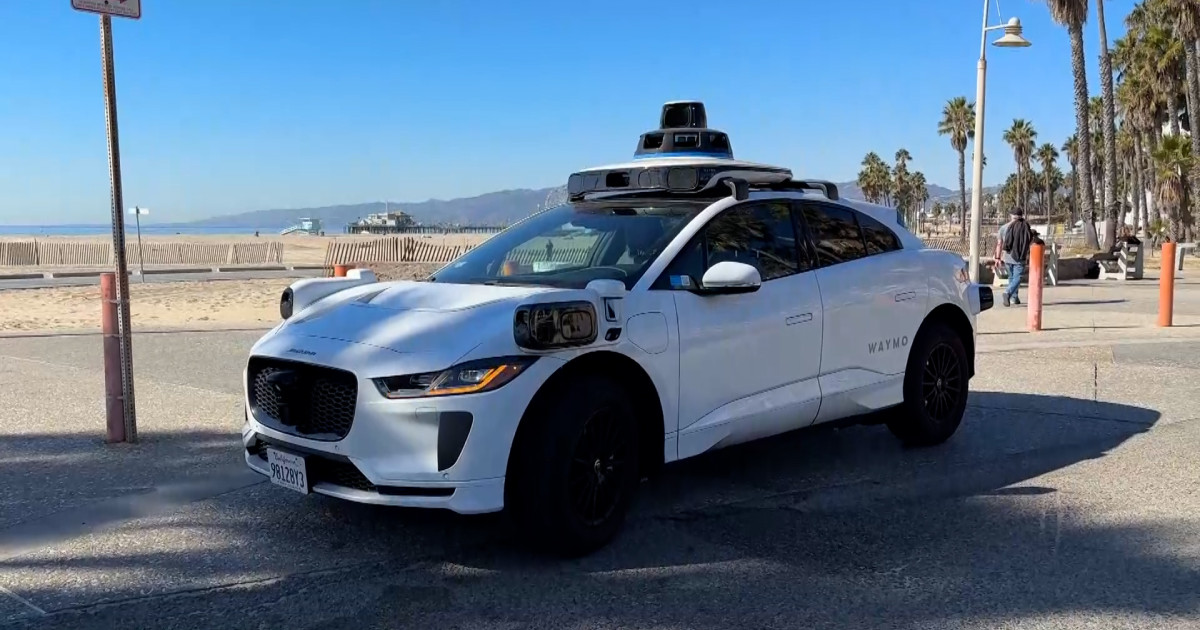
Trust now rides without a steering hand.
Los Angeles, June 2026
Waymo’s driverless vehicles are no longer a futuristic spectacle in Los Angeles. They are becoming part of the city’s daily transportation landscape, offering users a ride experience that removes the most familiar figure from urban mobility: the driver. For passengers, the first reaction is often not fear, but silence, curiosity, and the strange realization that the car is making decisions without human negotiation.
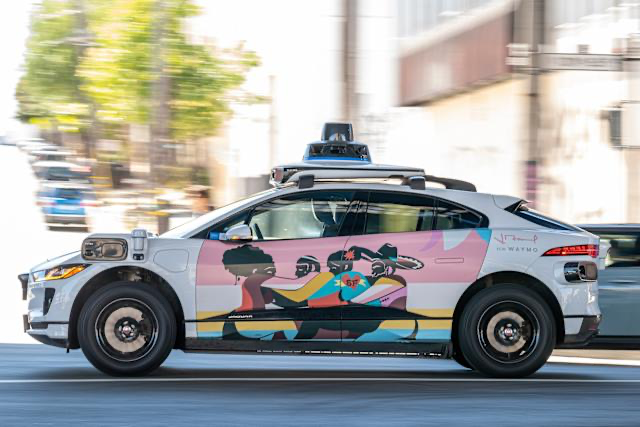
The user experience reveals the real frontier of autonomous mobility. The technology must not only move safely through traffic, cyclists, pedestrians, intersections, and unpredictable drivers. It must also persuade passengers that absence can feel reliable. In a city shaped by congestion, impatience, and car dependency, that psychological shift may be as important as the engineering itself.
Waymo’s expansion in Los Angeles reflects a broader transition from experimental autonomy to commercial infrastructure. The robotaxi is no longer simply a prototype. It is a platform competing for public trust, regulatory permission, urban space, and future market dominance. Every smooth lane change, every cautious stop, and every awkward hesitation becomes part of a larger social audition.
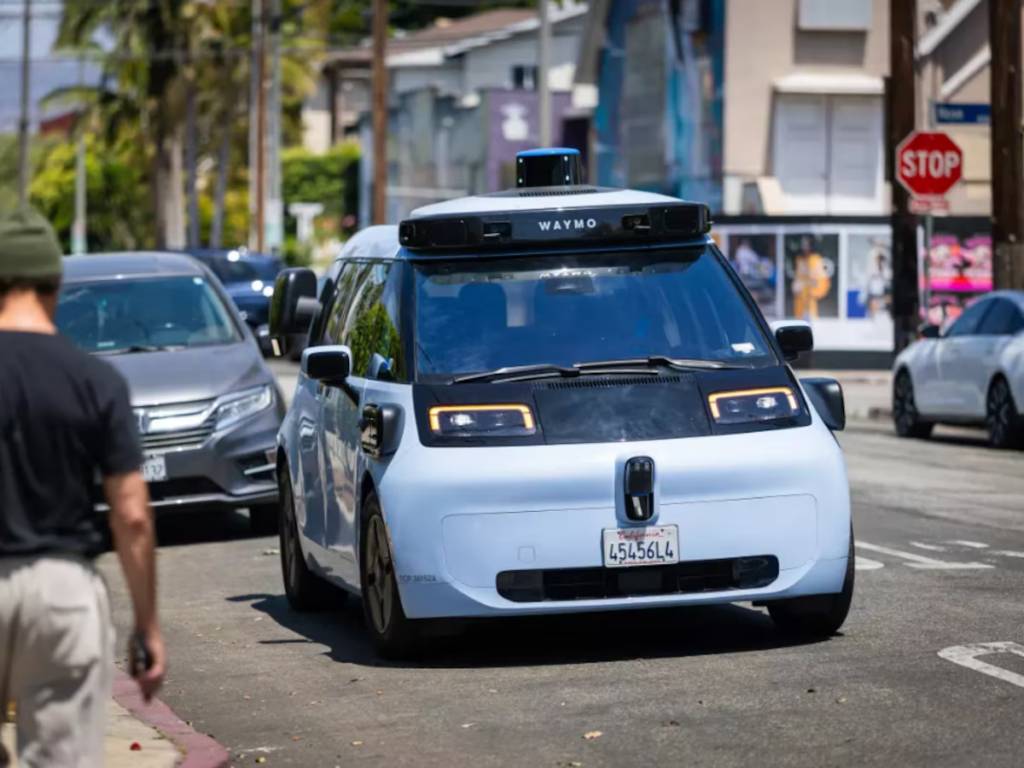
For users, the appeal is clear: privacy, consistency, novelty, and the possibility of traveling without small talk, rating anxiety, or uncertainty about the driver. Yet the model also raises serious questions about labor displacement, liability, data collection, emergency response, and how cities should govern fleets controlled by companies rather than individual drivers.
The Los Angeles case matters because the city is one of the world’s most difficult mobility environments. Its streets are complex, its traffic culture is aggressive, and its dependence on cars is structural. If autonomous ride-hailing can normalize itself there, it will gain symbolic legitimacy far beyond California.
The deeper change is cultural. Waymo is not only replacing a driver with software. It is asking users to transfer trust from a person to a system. That is the real breakthrough, and also the real risk. The future of mobility will not be decided only by sensors, maps, and artificial intelligence. It will be decided by whether passengers believe the machine understands the road well enough to carry them through it.
Behind every data point, the intention. / Detrás de cada dato, la intención.