

 Phoenix 24
The update favors utility over spectacle.
Cupertino, March 2026
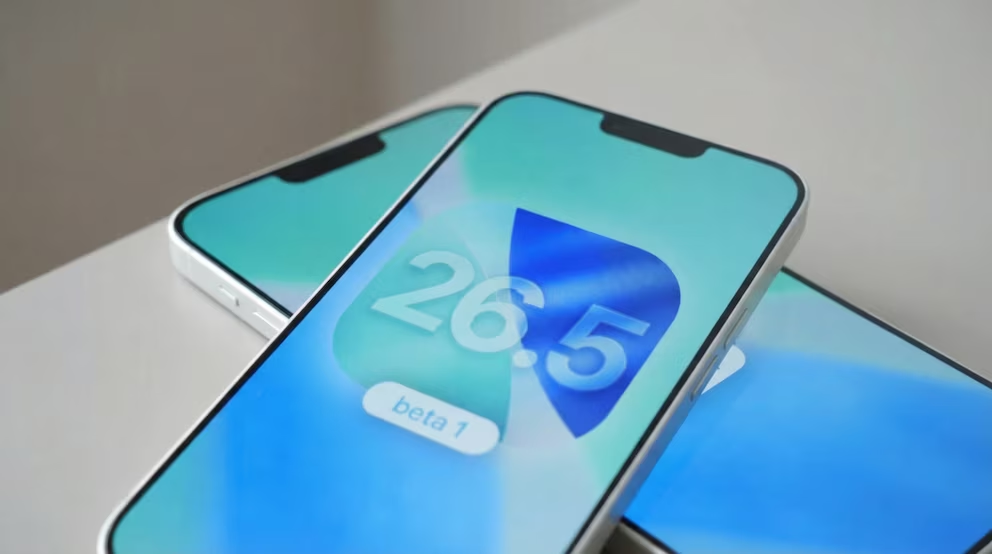
Apple has released the first beta of iOS 26.5, opening a new testing cycle focused less on dramatic redesign and more on functional refinement. The update arrives shortly after iOS 26.4 and appears to center on a handful of practical adjustments rather than on a major headline feature. Among the most discussed changes are stronger support for encrypted RCS messaging, new behavior inside Apple Maps, and regulatory driven interoperability adjustments in Europe. The overall picture is of a release designed to tighten the ecosystem, improve day to day use, and keep Apple moving on several fronts at once without presenting the beta as a transformative leap.
One of the most meaningful additions is the renewed push around RCS encryption. That matters because communication between iPhone and Android users has long been one of the most visible pressure points in Apple’s messaging environment. If end to end encryption for RCS becomes more firmly integrated, Apple will be addressing not just a technical issue, but a trust issue tied to privacy expectations in cross platform conversations. In practical terms, this strengthens the company’s ability to argue that convenience and security do not have to be traded against each other when users move outside the traditional iMessage space.
Apple Maps is also becoming a more active part of the company’s strategy. The beta points to expanded place suggestions and broader groundwork for a more dynamic recommendation layer inside the app. That may sound modest at first glance, but it reflects a larger contest over who controls navigation, local discovery, and commercial attention on mobile devices. Maps is no longer just a tool for getting from one point to another. It is increasingly a space where search behavior, nearby relevance, and platform influence converge.
The European dimension of the update is equally important. Apple continues to adapt its software environment to meet interoperability pressures in the European Union, and iOS 26.5 appears to extend that process through support changes linked to third party accessories and connected experiences. These are not glamorous features in the consumer imagination, yet they reveal how regulation is now shaping the architecture of major operating systems from the inside. In that sense, the beta is also political. It shows how Apple is redesigning pieces of the iPhone experience in response not only to product logic, but to external governance.
What stands out is what the beta does not appear to include. There is still no major Siri breakthrough attached to this release, despite continuing expectations that Apple’s broader AI push would produce a more visible leap in voice intelligence. That absence matters because public anticipation around Apple and generative AI remains high, and each incremental software cycle is now judged partly by whether it delivers a meaningful step in that direction. By leaving Siri out of the spotlight again, Apple is signaling either caution or delay, and both readings will fuel scrutiny.
This makes iOS 26.5 feel like a strategically quiet update. It does not seem designed to dominate headlines through a single spectacular innovation. Instead, it concentrates on infrastructure, messaging privacy, mapping relevance, and compliance related adaptation. For users, that can make the release feel less exciting than a feature heavy annual jump. For Apple, however, such updates often matter precisely because they strengthen the operating base on which more visible future changes depend.
There is also a broader pattern here in how Apple manages software perception. Not every beta is built to impress through novelty. Some are built to preserve confidence, smooth friction, and position the ecosystem for later moves that require stronger technical groundwork. In that light, iOS 26.5 is less about reinvention than about controlled preparation. It tightens areas where user trust, regulatory pressure, and platform competition are all intensifying at the same time.
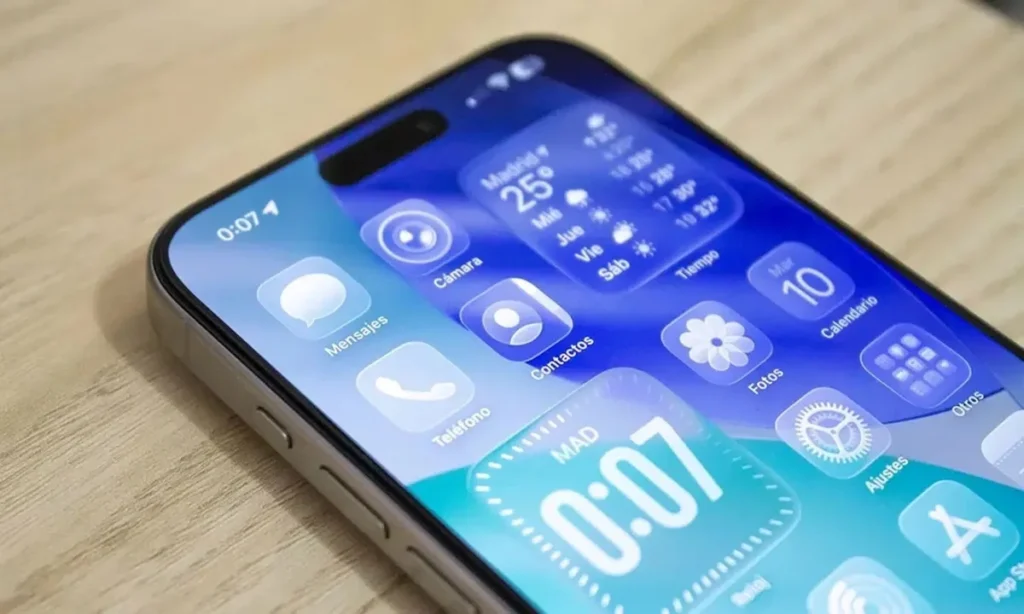
The result is a beta that may not thrill users looking for a dramatic new identity, but it does reveal where Apple thinks pressure is building. Privacy between platforms, discovery inside Maps, and compliance in Europe are not random areas of adjustment. They are zones where the company knows the next phase of mobile competition will be fought. iOS 26.5 may look incremental on the surface, yet beneath that restraint it sketches a clearer map of Apple’s current priorities.
Hechos que no se doblan. / Facts that do not bend.