

 Phoenix 24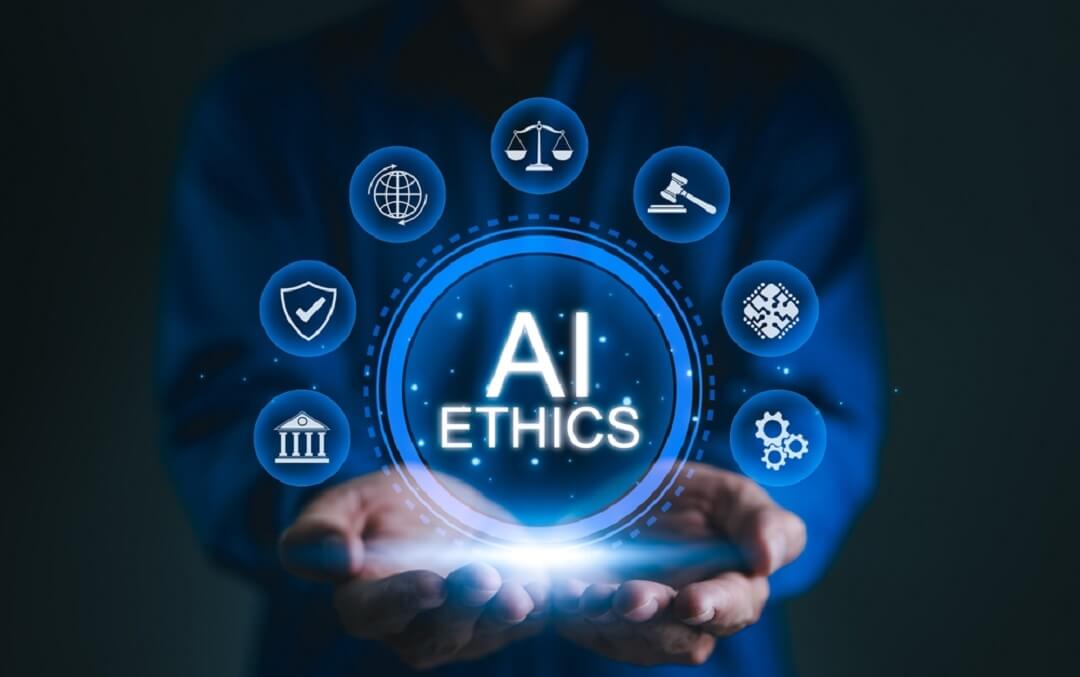
The new risk is unmanaged intelligence.
Mountain View, June 2026
Artificial intelligence is no longer a distant innovation waiting for formal adoption. It is already inside offices, classrooms, phones, personal routines and corporate workflows, often before organizations have built the ethical rules needed to control it. That gap has turned AI governance into a strategic necessity rather than a philosophical debate.
The central rule is now clear: AI must be used with transparency, human supervision and explicit responsibility. In personal contexts, this means knowing when a tool is shaping decisions, producing content or handling private information. In corporate contexts, the stakes are higher because a careless prompt can expose confidential data, distort business decisions, reproduce bias or create legal responsibility for the organization.

A serious AI ethics manual must separate assistance from delegation. AI can help draft, classify, summarize, compare and accelerate analysis, but it should not replace human judgment in sensitive decisions involving employment, health, education, finance, security or personal rights. The machine can process information at scale, but accountability remains human.
Privacy is the next non-negotiable boundary. Users and companies should avoid entering confidential documents, client data, passwords, medical information, legal material or internal strategy into unauthorized tools. The more powerful the system, the more dangerous an uncontrolled data transfer becomes. Efficiency without governance is not innovation. It is exposure.
Traceability also matters. Organizations need to know when AI was used, what tool was used, what data entered the system and who approved the final result. Without that record, errors become difficult to audit and responsibility becomes diluted. Ethical AI is not only about good intentions. It requires documentation, review and institutional discipline.

The deeper challenge is cultural. Many users treat AI as a shortcut, while companies often react with either fear or blind enthusiasm. Both extremes are risky. The responsible path is adoption with rules: clear permissions, training, privacy safeguards, bias review, human validation and limits for high-impact decisions.
AI ethics, therefore, is not an obstacle to technological progress. It is the infrastructure that makes progress usable, defensible and trustworthy. The organizations that understand this first will not be the slowest adopters. They will be the ones capable of turning intelligence into power without losing control of the system that produces it.
Behind every data point, the intention. / Detrás de cada dato, la intención.