

 Phoenix 24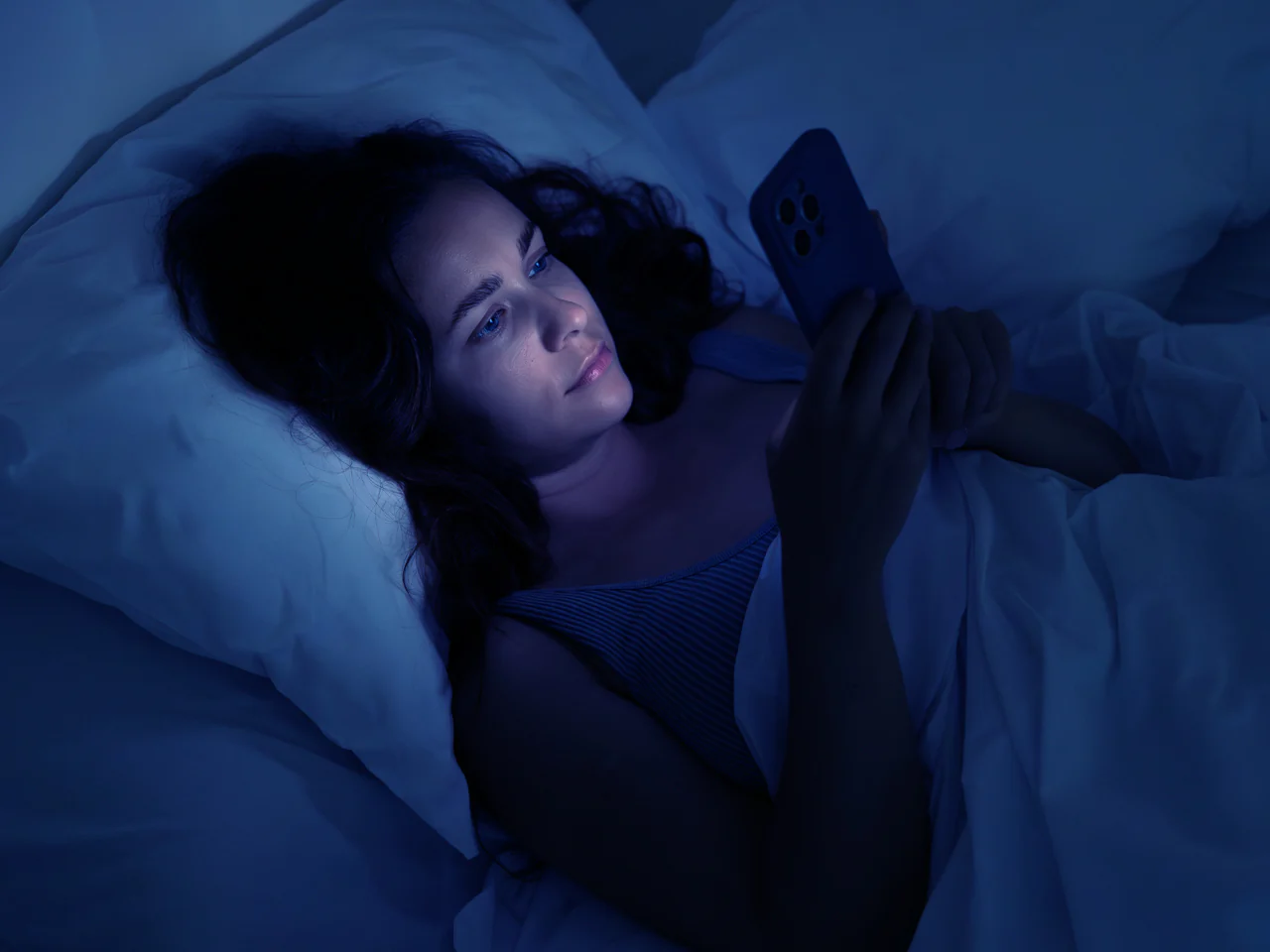
The screen stays on after the body slows.
Mexico City, March 2026
Excessive smartphone use before sleep is increasingly being linked to poorer rest, delayed sleep onset, and a wider deterioration in physical and mental recovery. The central mechanism is now widely recognized: screen exposure at night, especially blue light, interferes with melatonin production and disrupts the body’s normal sleep cycle. What looks like a harmless bedtime habit can therefore become a biological disturbance with cumulative effects. In practice, the phone does not simply accompany the night. It alters how the night works.
The problem is not limited to falling asleep later. Nighttime smartphone use also tends to make sleep shallower, more fragmented, and less restorative, reducing the time spent in deeper stages that are essential for physical repair and cognitive recovery. That loss of depth matters because a person may remain in bed for enough hours and still wake up tired, irritable, and mentally slower. The body rests less effectively when the brain arrives at sleep in a state of prolonged stimulation. Digital fatigue, in that sense, is not only mental. It becomes physiological.
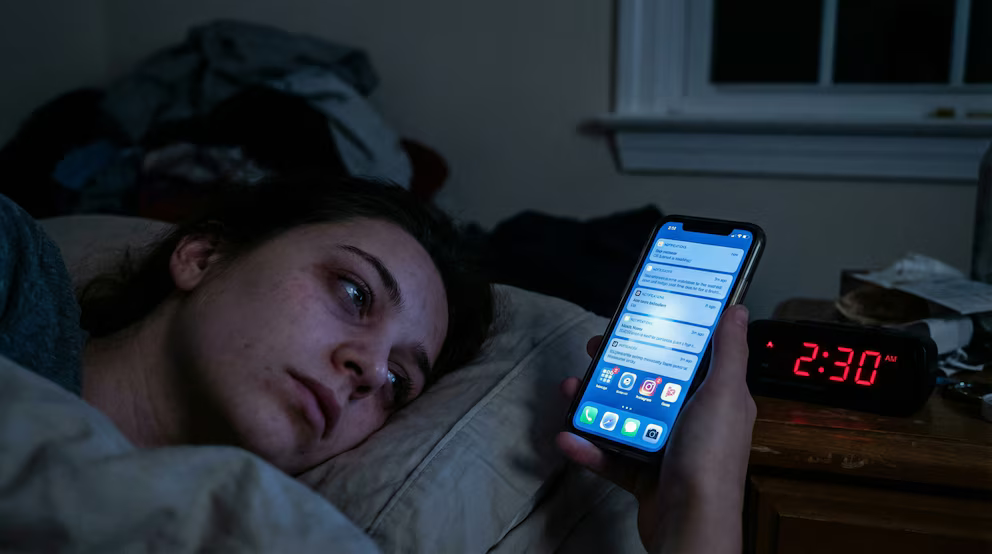
Blue light plays a major role in this disruption because the brain reads it as a daytime signal. When people keep scrolling, watching videos, or checking messages in the dark, the release of melatonin is delayed and cortisol levels may remain elevated longer than they should at night. The result is a form of internal mistiming in which the body is physically exhausted but neurologically less prepared to sleep. Over time, that mismatch can evolve into insomnia patterns rather than occasional bad nights.
The broader consequences go beyond tired mornings. Poor sleep quality has been associated with lower concentration, reduced emotional regulation, chronic fatigue, and weaker daily performance, but it can also become part of a larger health burden. Disturbed sleep patterns are frequently linked to mood disorders, metabolic strain, cardiovascular risk, and immune system vulnerability. That means the smartphone is not acting alone as a health problem. It is amplifying a chain of vulnerabilities through one of the body’s most important regulatory systems.
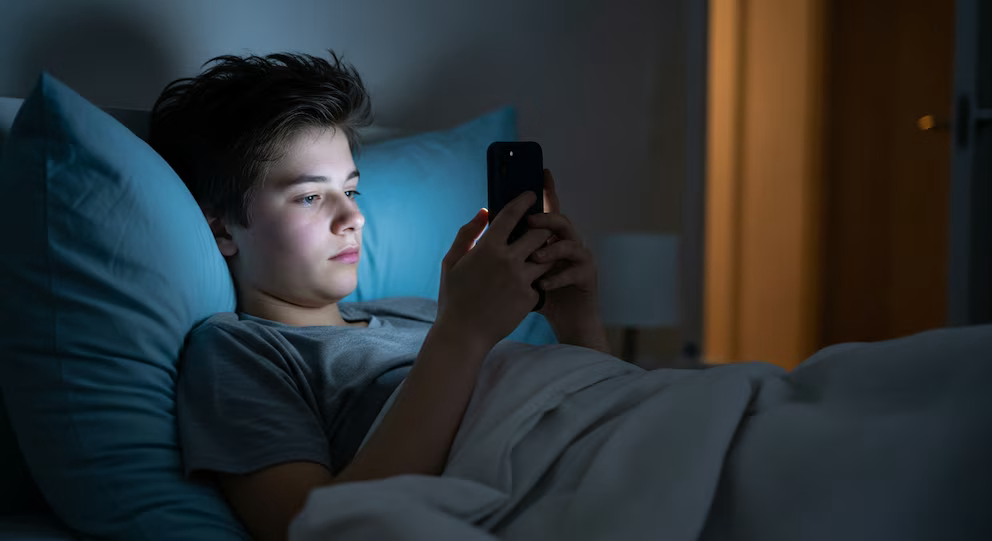
Children and adolescents face an even sharper version of this risk. They are more sensitive to nighttime light exposure and also require more sleep for cognitive, emotional, and developmental stability. When screens dominate the hours before bed, the effects can appear not only in tiredness but also in learning difficulties, irritability, anxiety, and a higher susceptibility to depressive symptoms. In younger users, digital overexposure at night can become a developmental issue rather than just a lifestyle habit.
There is also a visual cost that often receives less attention than sleep itself. Prolonged screen exposure in low light can contribute to eye strain, dryness, headaches, and trouble focusing, particularly when the device is held too close to the face. The modern bedroom has become one of the least ergonomic spaces for visual health precisely because it encourages intense screen contact under poor lighting conditions. What begins as a final check of the phone often turns into an extended session of visual overwork at the exact moment the eyes should begin to recover.
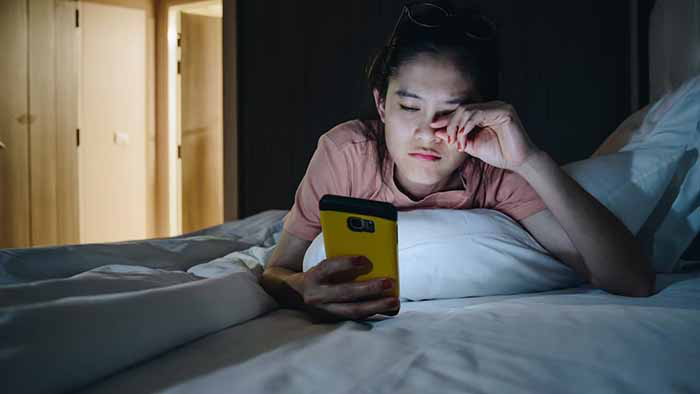
That is why the debate is no longer about whether smartphones are useful, but about how deeply they have colonized the threshold between wakefulness and rest. The device has become a behavioral extension of the self, which makes disconnection feel less like a routine adjustment and more like a small act of resistance. Yet sleep remains one of the few biological processes that does not negotiate well with permanent stimulation. The more the phone occupies the pre sleep window, the less protected that biological boundary becomes.
The practical response is not technologically dramatic, but behaviorally demanding. Reducing screen exposure one or two hours before bed, activating night mode, improving ambient lighting, and replacing late scrolling with quieter activities such as reading or breathing exercises can significantly improve sleep hygiene. These measures sound simple because they are simple, but consistency is what makes them effective. The deeper obstacle is not the absence of advice. It is the difficulty of interrupting a habit designed to feel endless.
What this reveals is larger than one health recommendation. Smartphones have changed not only how people work, communicate, and consume information, but also how they enter rest. The night has become another contested zone of attention, and sleep is paying part of the cost. The issue is no longer whether excessive device use affects rest. It is whether modern users are willing to recover control over the final hours of their day.
Información que anticipa futuros. / Information that anticipates futures.