

 Phoenix 24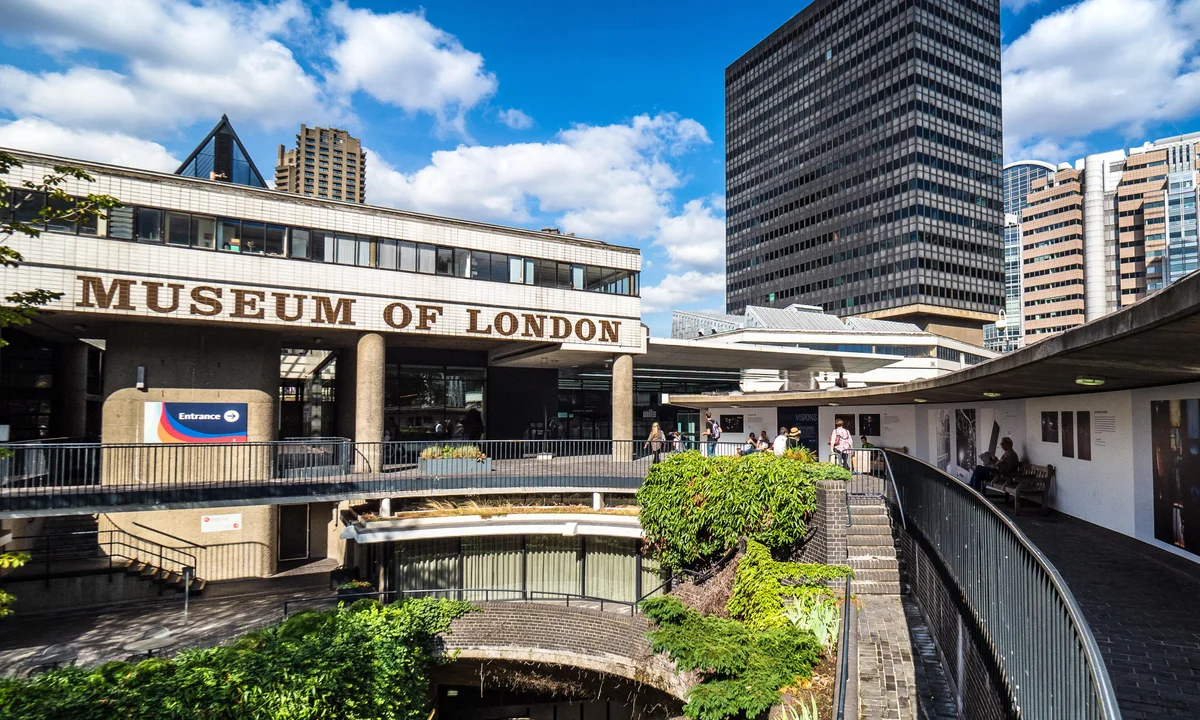
From The Clash to Dickens, the city tells itself
London, United Kingdom | June 2026
The London Museum is preparing to reopen on November 28 in Farringdon after a major £437 million transformation, presenting itself not only as a museum, but also as a social space designed to reflect the energy, contradictions and memory of the British capital. With a collection of nearly seven million objects, the institution aims to tell the story of London through artifacts that connect ancient history, popular culture, political struggle, literature, music and everyday urban life.
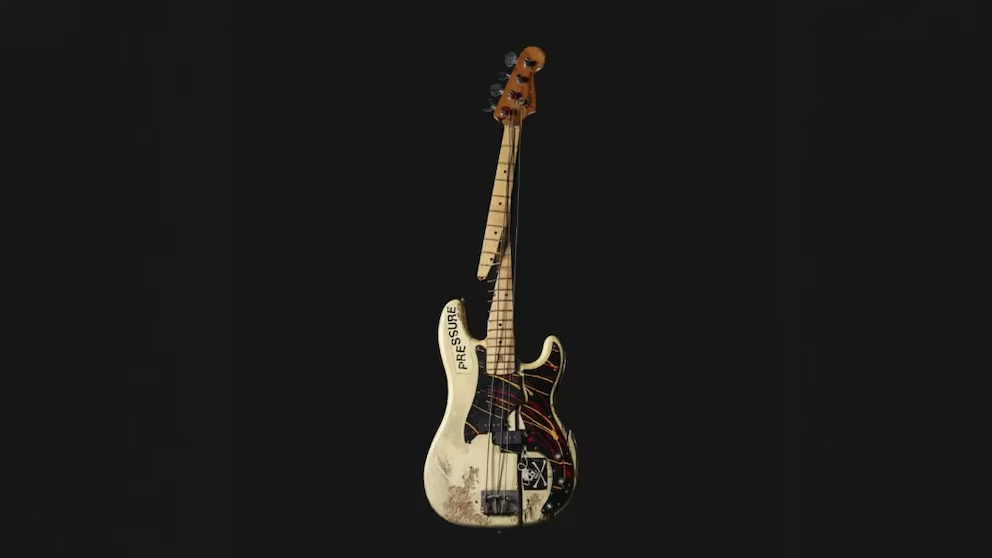
One of the most striking pieces in the new exhibition will be the destroyed Fender Precision bass once owned by Paul Simonon of The Clash. The instrument became immortalized on the cover of “London Calling,” one of the most iconic images in rock history. Simonon smashed the bass in 1979 at the Palladium in New York, during a concert where the audience had been prevented from standing up and dancing. Decades later, the damaged instrument now enters the museum as a symbol of rebellion, frustration and the raw cultural force associated with London’s punk legacy.
The new museum will also bring together objects connected to figures such as Charles Dickens, Banksy, Queen Victoria, Emmeline Pankhurst and Olympic diver Tom Daley. This diversity is central to the institution’s ambition: to show London not as a single polished narrative, but as a living city shaped by conflict, creativity, migration, industry, protest, class, entertainment and constant reinvention.
The move from London Wall to Farringdon includes the restoration of a Victorian livestock market designed by Horace Jones, the architect also linked to Tower Bridge. The building had remained closed since the 1990s, and its reopening gives new life to a historic structure deeply connected to the city’s commercial and architectural past. The restored Linbury Hall, under its renewed dome, will function as a public gathering space, reinforcing the museum’s goal of becoming part of everyday civic life.
The program will include free afternoon tea, family activities organized with the immersive theater company Punchdrunk and a monthly party curated by Fabric, the well-known nightclub located nearby. This approach signals a broader shift in how museums understand their role. Rather than serving only as quiet repositories of objects, cultural institutions are increasingly becoming spaces for encounter, participation and social experience.
A major part of the historical route will be located underground, with permanent galleries positioned near the level of Roman streets. The museum plans to narrate 450,000 years of London’s history through chronological and thematic exhibitions, from prehistoric traces found along the Thames to the Roman foundation of the city in the first century. The Bloomberg Collection, donated in 2025, will strengthen this early section with 14,000 Roman objects, including writing tablets, temple idols and everyday tools.
From there, the museum will guide visitors through decisive episodes in London’s long history, including the Norman Conquest, the Great Fire of 1666, the Great Stink of 1858, the Blitz of 1940 and the Olympic Games of 2012. Each period contributes to the construction of a city that has repeatedly survived disaster, expansion, social tension and reinvention.
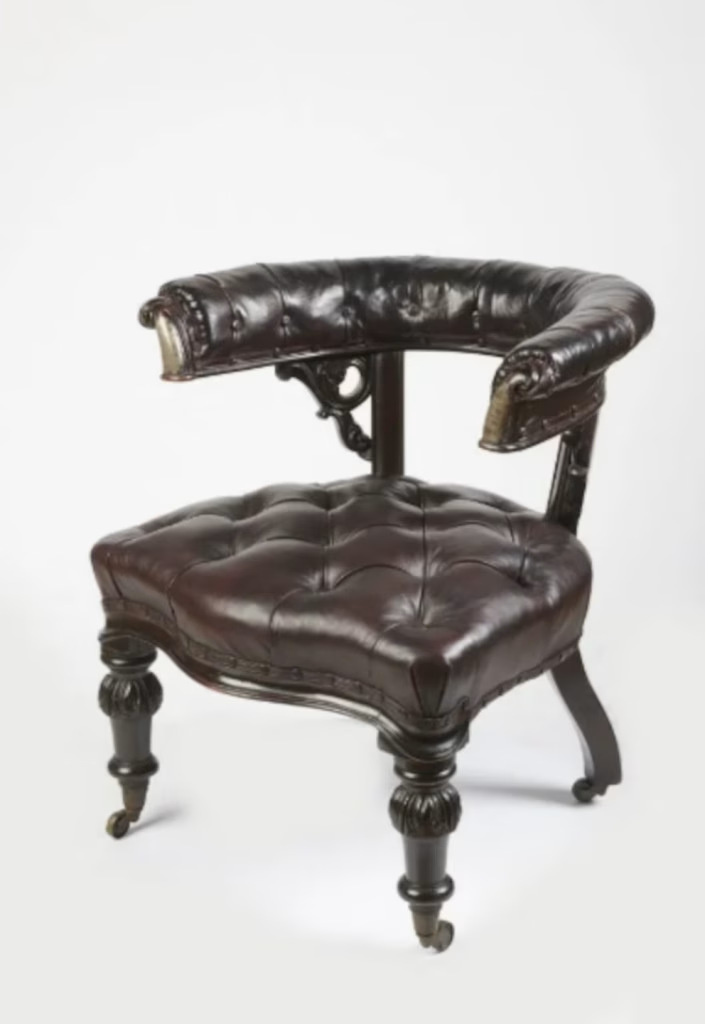
Among the highlighted pieces are Charles Dickens’ chair, a mourning dress worn by Queen Victoria, an elevator from the Selfridges department store, Tom Daley’s swimsuit and a fragment of the Whitechapel Fatberg, the massive accumulation of grease and waste discovered in London’s sewer system in 2017. These objects may seem radically different, but together they show how a city is built not only through monuments and official events, but also through bodies, habits, infrastructure and cultural imagination.
The inclusion of Banksy’s “Piranhas” also reinforces the museum’s interest in contemporary urban expression. Street art, protest culture and visual disruption form part of London’s modern identity, just as much as royal history, Victorian industry or literary heritage. By placing these materials side by side, the museum suggests that the city’s story belongs to multiple voices and communities.
The reopening of the London Museum is expected to become one of the most important cultural events in the city’s recent history. Supported by one of the largest cultural investments made in the British capital, the project seeks to attract millions of visitors while giving Londoners a place where they can recognize their own lives within the city’s vast historical archive.
At its core, the museum’s transformation asks what it means for a city to tell its own story. London appears here not as a frozen heritage brand, but as a living organism made of memory, noise, rebellion, literature, empire, migration, decay and renewal. From a smashed punk bass to Roman tablets and Dickens’ chair, the museum proposes that the history of London is not only preserved in grand monuments, but also in the objects that carry the pulse of the people who made the city.
Phoenix24 News | Information with responsibility.