

 Phoenix 24
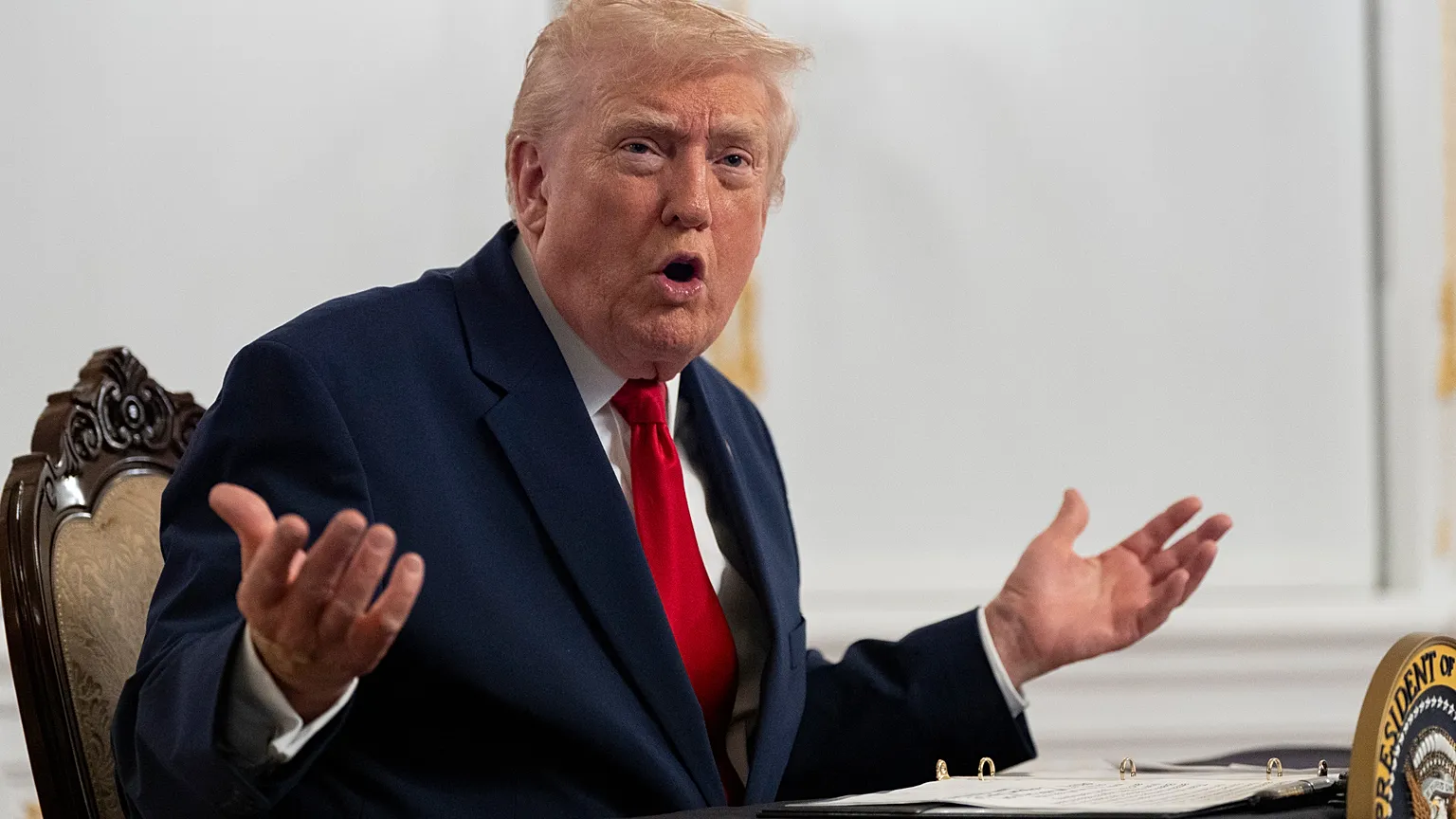
The warning emerged during a message to the troops and hinted at a strategic turn capable of reshaping hemispheric security.
Washington, November 2025
The United States administration opened the door to a new phase of military pressure against criminal organizations tied to Venezuela’s narcotrafficking structure, a decision arriving after weeks of maritime operations that destroyed more than twenty vessels and disrupted illicit flows toward North America. The presidential message, delivered during the Thanksgiving address, argued that the maritime phase had achieved enough operational success to justify a riskier step: shifting the pursuit onto land under the premise that ground operations would be easier against groups portrayed as increasingly dependent on terrestrial routes to rebuild their logistical capabilities. The assertion lands in a geopolitical environment marked by suspicion. Analysts cited by prominent European outlets and regional technical bodies emphasize that the supposed simplicity of ground action may be misleading in areas shaped by irregular factions, criminal microeconomies and diffuse power structures that defy clean mapping. Meanwhile, security agencies referenced by U.S. media insist that the initial impact of the naval campaign reduced detected illicit movement in the Caribbean by as much as eighty five percent, a figure that still requires independent verification but that now serves as the political justification for escalation.
Inside this landscape, concerns over legal transparency are multiplying. Human rights organizations across Latin America point to the absence of clear protocols and fear that the pattern observed in the maritime strikes, already challenged over possible extrajudicial killings, could be replicated on land with even heavier consequences for vulnerable communities. In Europe, strategic think tanks warn that any ground incursion without regional coordination could intensify diplomatic friction with Caracas, whose government previously denounced similar actions as covert aggression. Information dynamics also matter. Experts in Asia who track transnational criminal networks argue that the narrative around Venezuela’s drug apparatus often intersects with political agendas, demanding a clear separation between verifiable intelligence and simplified rhetoric. Although Washington has formally designated the Cartel de los Soles as a terrorist organization, expanding the legal framework for intervention, the process of identifying operational ground targets still lacks public explanation.
While federal agencies defend the hard line as an attempt to cut the supply chain at its earliest stages, a central doubt persists. If the bulk of illicit flows entering the United States originate from other regions and routes, the real effectiveness of this campaign may fall short of what the official discourse suggests. Analysts based in the Middle East, accustomed to monitoring smuggling routes across conflict zones, note that the fragmentation of actors and the constant adaptation of criminal pathways reduce the likelihood that a single type of operation can achieve a lasting break. Even so, the political calculation in Washington seems aimed at projecting regional deterrence, signaling control and capability even when short term operational outcomes remain difficult to measure. Beneath the surface, the move also carries domestic political incentives, offering a demonstration of muscular action on one of the issues that most deeply shapes U.S. electoral sentiment.
In a context marked by strained relations between two governments that have not shared diplomatic ground for years, the possibility of ground incursions increases not only military risk but also social and diplomatic pressure across areas where migration, armed groups and illicit economies converge. As long as there are no publicly defined rules of engagement, civilian oversight mechanisms or territorial boundaries for the mission, the debate will remain surrounded by ambiguity. What is certain is that Washington has decided to shift the operational frontier of its counternarcotics offensive, and the hemisphere is bracing for the consequences of a move with the potential to reshape regional stability.
Every silence speaks. / Cada silencio habla.