

 Phoenix 24
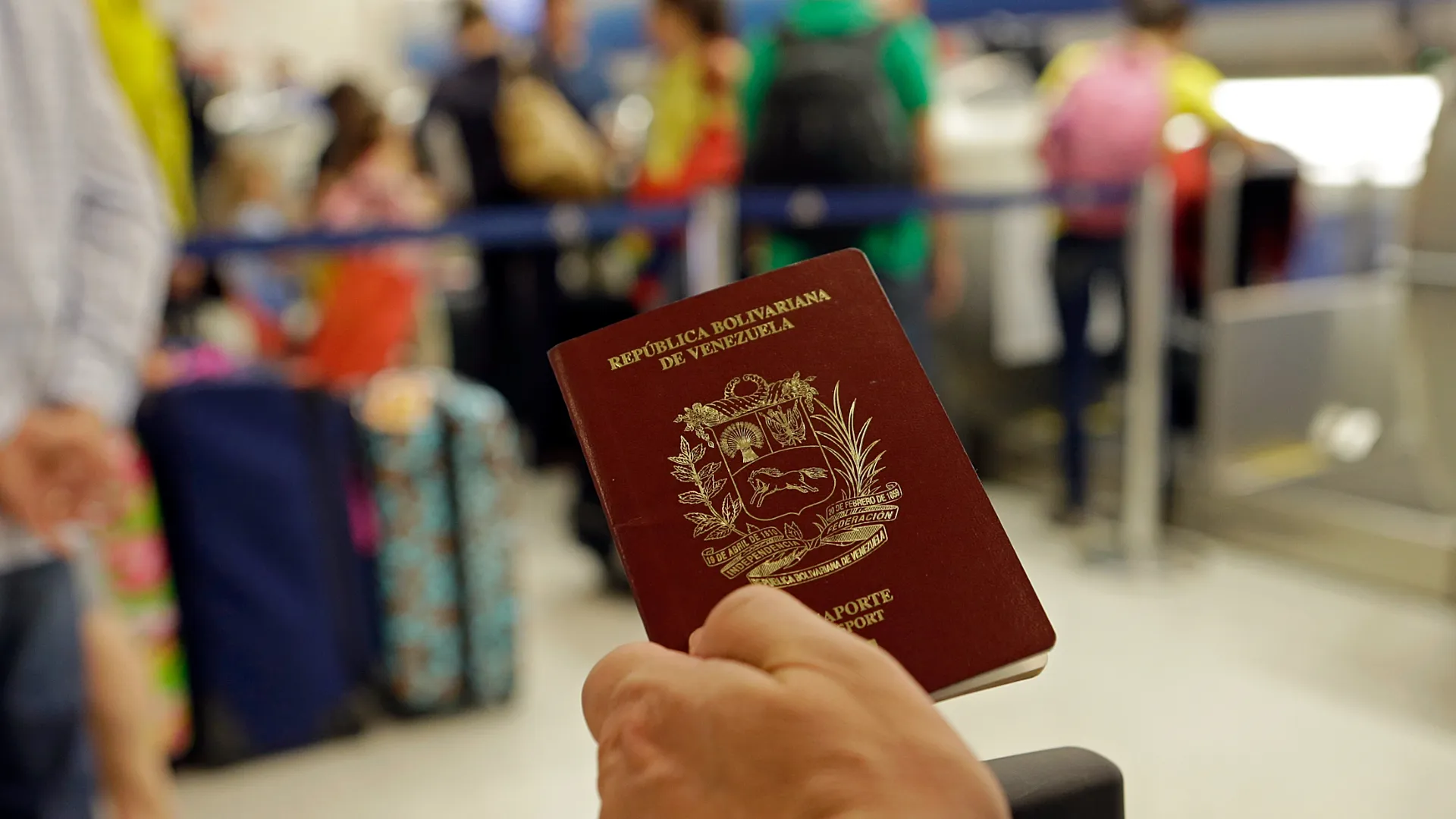
When security warnings turn into political decisions, flight routes stop being simple lines on a map and become indicators of regional tension.
Caracas, November 2025. The dispute between Venezuela and segments of the international aviation system intensified after the government revoked operating licenses for six foreign airlines that suspended services to the country following safety alerts issued by authorities in North America. In response, the International Air Transport Association issued a public request urging Venezuelan authorities to reconsider a measure that, according to its own analyses, risks deepening the country’s operational isolation and undermining its already fragile air connectivity during a period of economic uncertainty.
The chain reaction began when several airlines with long standing presence in Latin America halted flights to Venezuela after aviation safety agencies in North America released warnings about potential risks within regional airspace. The government’s decision to cancel their permissions followed swiftly. From Europe, specialists affiliated with aviation regulatory bodies noted that the step could carry structural consequences for passenger movement and trade routes linking Latin America with the European Union, an argument the international association echoed while stressing the urgency of restoring the withdrawn licenses.
Media outlets in Asia highlighted the operational implications beyond passenger mobility. Disruptions in commercial routes affect supply chains that depend on steady air links to transport components, high value goods and technological equipment. As several analysts explained, interruptions in these corridors can generate ripple effects across logistics networks in emerging markets that rely on Venezuelan connections to access Caribbean and South American markets.
From a security perspective, European transport agencies reminded that safety alerts do not always indicate immediate hazards but serve as preventive guidelines designed to protect passengers and crew. Institutions in North America emphasized that the airlines reacted according to international protocols requiring conservative decision making whenever official information points to elevated risks. Nonetheless, the Venezuelan government’s revocation of licenses led aviation observers in the United States to interpret the response as rooted in political friction rather than technical criteria, particularly given the preexisting tensions between Caracas and multiple international institutions.
Domestically, the restrictions reshape mobility options for Venezuelan citizens, businesses, travelers and transit passengers. Latin American sources close to multilateral agencies noted that the number of routes serving Venezuela was already reduced compared with previous decades. Removing licenses from six foreign carriers further limits operational capacity and could hinder economic recovery, particularly in sectors that depend on air transport for investment flows, supply continuity and access to corporate networks.
The international association framed its appeal as an urgent request to prevent a more pronounced connectivity crisis. Aviation experts across regions warned that excessive flight restrictions create uncertainty for carriers, tourism operators, investors and cargo companies. Meanwhile, institutions in the Middle East pointed out that airspace stability is one of the indicators most closely monitored by investment funds when assessing projects related to infrastructure, energy or transport in countries facing prolonged political strain.
Another dimension highlighted by global passenger rights organizations is the impact on mobility and accessibility. Cancelled routes reduce travel options, raise fares and affect individuals who depend on air transport for employment, education or medical needs. The association positioned this concern as a central argument to support its call for reinstating permits and preventing long term consequences for users who are not party to the diplomatic tensions.
At the same time, Latin American commentators noted that Venezuelan authorities have justified their decision as an act of national sovereignty, claiming that the airlines aligned themselves with foreign political pressure. However, transportation experts in North America countered that the suspensions were based solely on operational safety criteria rather than diplomatic considerations, a contrast that widens the existing divide between the government and international aviation regulators.
Beneath the political rhetoric lies a deeper structural challenge. Without participation from major international carriers, Venezuela risks facing a diminished presence in global commercial circuits. Reduced connectivity restricts business opportunities, weakens the flow of high value goods and limits the country’s ability to recover economically. Analysts in Europe and Asia pointed out that rebuilding confidence between local authorities, international operators and regulatory institutions will require transparent communication, stable operational conditions and a technical approach devoid of political escalation.
For now, the international association’s request remains unanswered and there are no indications that the Venezuelan government plans to reverse its decision. To aviation regulators, every additional day without flights erodes a connectivity framework that a country facing economic hardship can scarcely afford to lose.
Phoenix24: clarity in the grey zone.
Phoenix24: claridad en la zona gris.