

 Phoenix 24
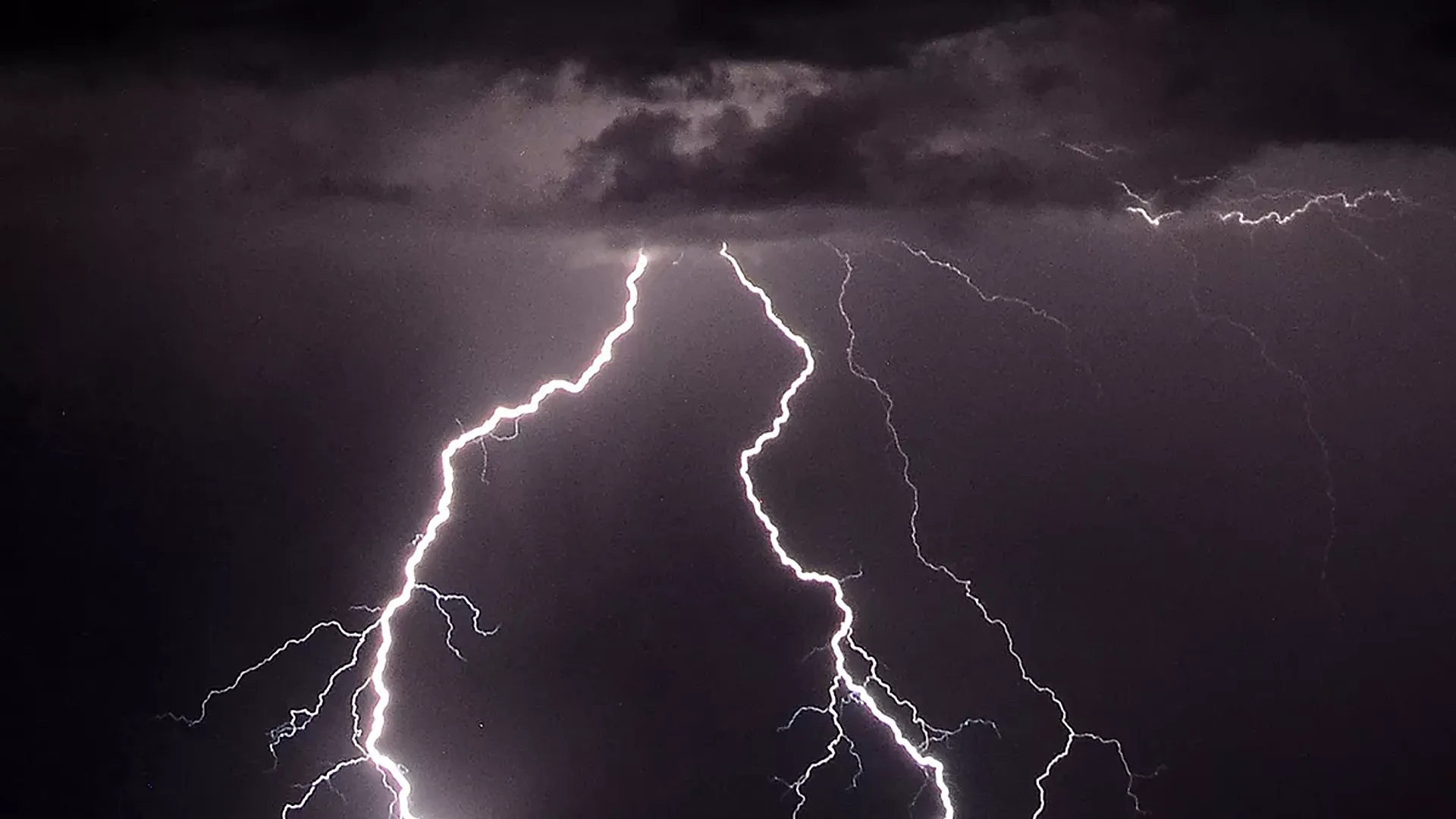
A climb that promised a day of adventure turned into tragedy in a single instant, shaped by the unpredictable power of the Andean climate.
Cusco, November 2025. The mountains that frame Peru’s most iconic landscapes became the center of an unfolding emergency when a sudden lightning strike hit two foreign tourists navigating a high altitude cycling route south of the city. One of them, a Brazilian visitor in his thirties, died at the scene. The second, a United States citizen, was rushed to a regional medical facility with significant injuries. The event triggered an urgent review of safety protocols in adventure tourism, a sector that has expanded rapidly as international visitors increasingly seek remote and elevated experiences across South America.
Initial reports from local authorities indicate that the two tourists were accompanied by an experienced guide as they advanced through a section of the route situated above four thousand meters. What had been a stable morning shifted quickly when a storm formed without warning, a common pattern during the rainy season yet notoriously difficult to predict in areas where the Andean terrain creates fast changing microclimates. The electrical discharge struck both tourists directly, while the guide managed to escape unharmed.
The Brazilian victim suffered an immediate and fatal impact. His companion displayed symptoms associated with a high voltage discharge and required an evacuation complicated by steep trails and the absence of vehicle access to the exact location. Rescue teams trekked for hours through exposed paths while additional storms threatened the operation, highlighting the challenges that emergency personnel face in Andean environments where terrain and climate often work against response efforts.
Meteorological specialists across Latin America emphasized that the Andes register some of the highest levels of electrical activity during seasonal transitions. The combination of altitude, humidity and rising air currents creates ideal conditions for lightning formation. Agencies in Europe that monitor mountain safety have warned that electrical storms at elevations above four thousand meters behave unpredictably, with the potential to affect wide areas around the point of impact. These risks remain underestimated by many travelers who rely on visual cues rather than technical forecasts when deciding to proceed along elevated routes.
The incident also exposed weaknesses in the way tourism operators and visitors assess weather related risks in high altitude regions. Analysts based in North America noted that global demand for extreme and adventure tourism continues to rise, often outpacing the ability of local operators to maintain real time climate monitoring across long and remote routes. At the same time, guides from the region have stressed that education about mountain hazards has not kept pace with the increase in visitor numbers, leaving many tourists uninformed about how quickly conditions can shift above the tree line.
From a tourism development perspective, the tragedy reignited longstanding questions about the infrastructure available for emergencies in rural mountain corridors. Civil society groups had previously called for the installation of intermediate shelters, localized alert systems and updated signage that could provide temporary protection when storms form unexpectedly. Institutions in Asia that work on sustainable tourism added that destinations dependent on adventure travel must adopt high altitude early warning mechanisms if they intend to maintain international confidence and reduce fatalities.
Regional authorities launched a formal investigation to determine whether any negligence occurred or whether the group had access to relevant meteorological information prior to the ascent. Although preliminary assessments suggest that the storm developed suddenly, prosecutors will examine the protocols of the operating company and the conditions of the route at the time of the incident. The tragedy comes at a delicate moment for Andean tourism, which has been working to fully recover after years of disruptions, and high profile accidents tend to shape international perceptions rapidly.
European tourism analysts noted that a single fatality in a popular adventure destination can influence risk assessments conducted by insurers, travel agencies and international tour operators. Destinations that rely heavily on outdoor activities must maintain rigorous safety standards to remain competitive in the global tourism market. Failure to adapt protocols to the realities of altitude, climate and remote terrain can create long term reputational damage that is far more costly than preventive investment.
As more details of the incident emerge, various organizations within the tourism sector have expressed solidarity with the affected families and called for reinforced preventive measures on mountain routes. The appeal resonates strongly in regions where the economy relies on travelers seeking immersive natural experiences. The Andean landscape remains one of the most captivating in the world, but the tragedy serves as a reminder that the same environment that inspires awe also demands respect, preparation and caution.
Every silence speaks.
Cada silencio habla.