

 Phoenix 24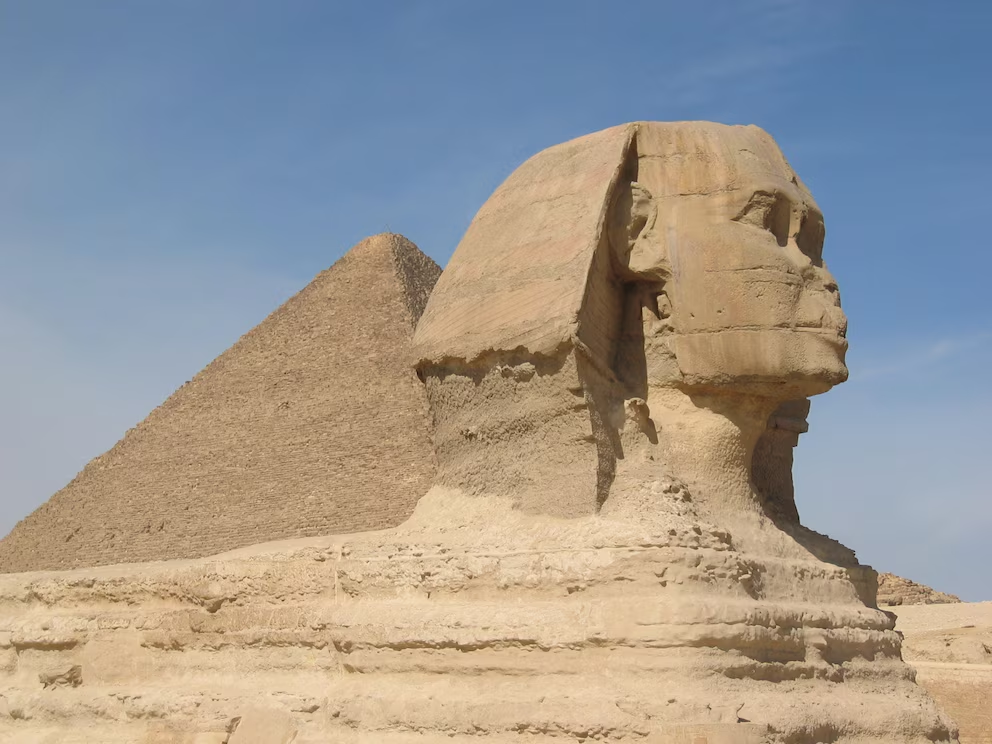
Erosion explains some damage, but repeated patterns reveal deliberate attempts to neutralize sacred and political power.
CAIRO, EGYPT
The missing noses visible on numerous ancient Egyptian statues are not merely the result of thousands of years of erosion. Archaeologists have identified consistent patterns showing that many sculptures were intentionally mutilated for religious, political or protective purposes.
Ancient Egyptians did not regard every statue as an inert representation. Within specific ritual contexts, an image could serve as a vessel through which a deity, ruler or deceased person maintained a presence in the physical world. The nose was associated with breathing and therefore with the continuation of life. Damaging it symbolically prevented the figure from breathing and neutralized its spiritual agency.
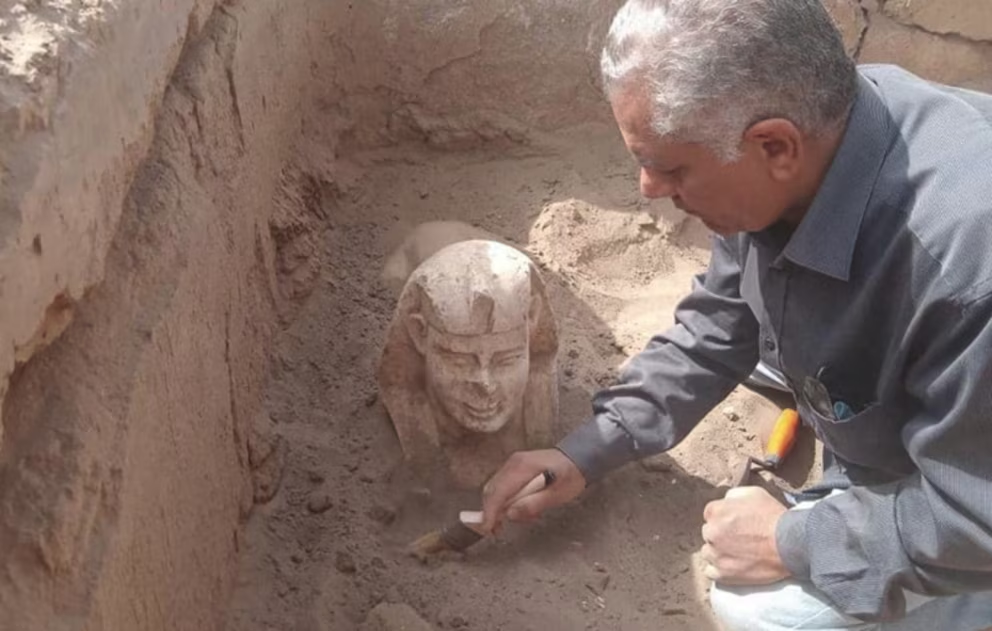
Other targeted damage followed the same logic. Ears could be removed to prevent a statue from hearing prayers, arms were broken to stop it from receiving or presenting offerings, and eyes were destroyed to deny sight. These patterns appear not only on exposed statues but also on reliefs protected inside tombs, where ordinary weathering cannot adequately explain the destruction.
Tomb robbers may have mutilated funerary images because they feared retaliation from the deceased whose burial goods they were stealing. Political and religious authorities also destroyed statues, names and royal symbols to weaken previous rulers, suppress rival beliefs or erase an individual’s claim to memory and legitimacy.
The reign and aftermath of Pharaoh Akhenaten provide a prominent example. After his attempt to centre Egyptian worship on the solar deity Aten, later rulers dismantled his religious system, damaged representations of his family and removed his names from monuments. Similar acts occurred across different dynasties whenever political succession involved conflict over divine authority.
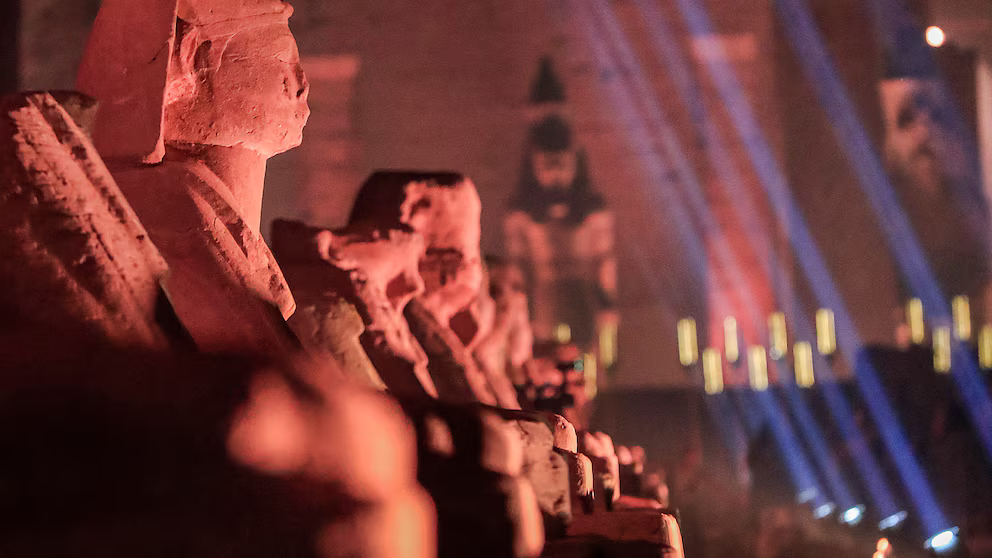
Natural deterioration nevertheless remains responsible for part of the damage. Noses project outward and are structurally more vulnerable than other facial features. Falls, transportation, temperature changes, wind, moisture and the reuse of stone in later construction all contributed to the loss of delicate sections. Tool marks, fracture patterns and archaeological context help specialists distinguish deliberate iconoclasm from accidental breakage.
The Great Sphinx illustrates how historical damage can generate persistent myths. Napoleon’s soldiers did not destroy its nose with cannon fire: drawings produced decades before the French expedition already show it missing. Medieval accounts instead attribute the mutilation to an iconoclastic attack, although aspects of the event remain debated.
The broken faces of Egyptian sculpture therefore preserve more than artistic loss. They reveal a civilization in which images participated in religion, authority and remembrance—and in which attacking a representation could be understood as attacking the power it embodied.
Destroying an image is often an attempt to control what it continues to represent.