

 Phoenix 24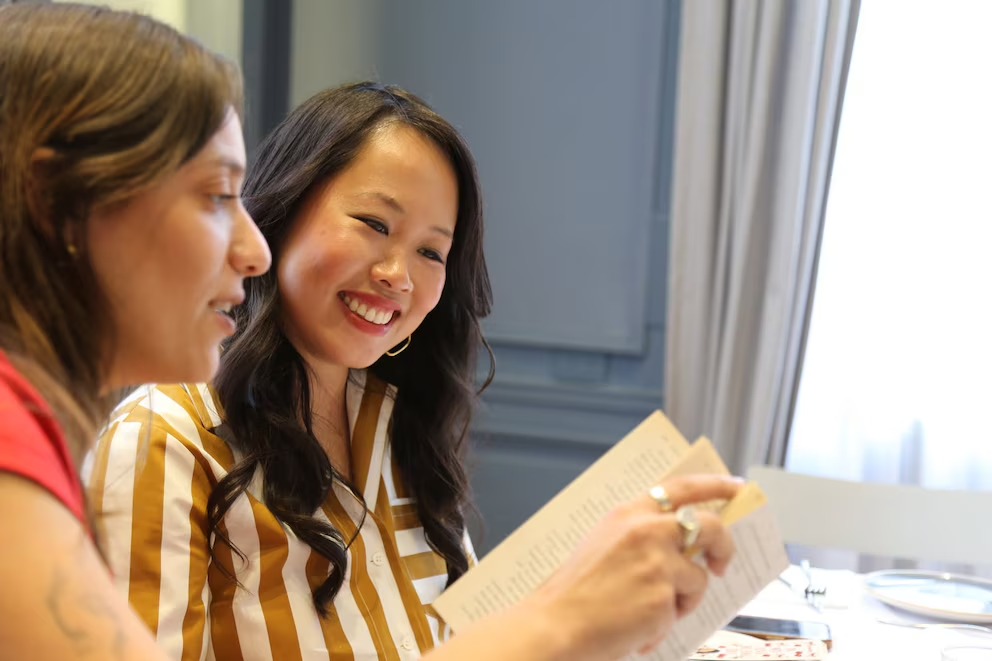
The romance phenomenon shows how digital communities can transform authors into global cultural figures.
BUENOS AIRES, ARGENTINA
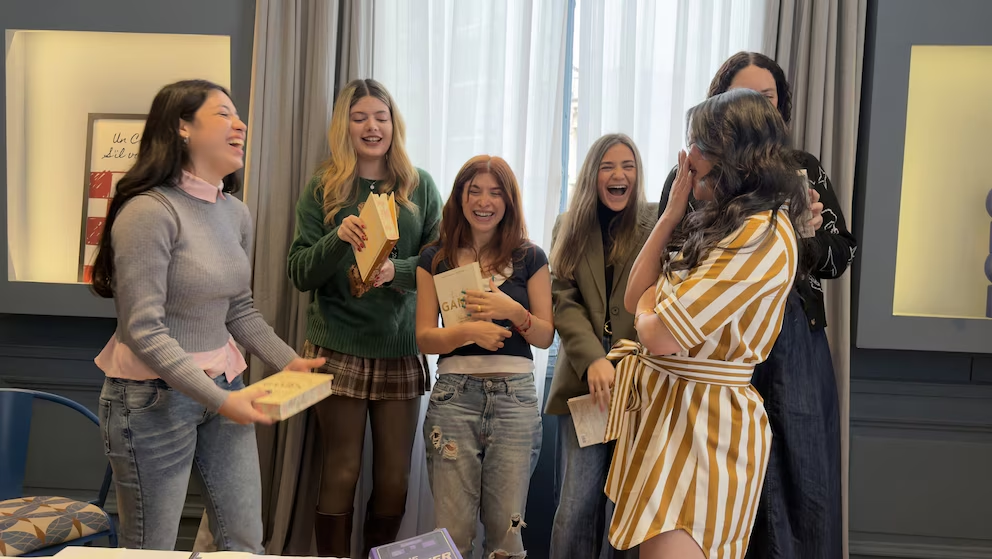
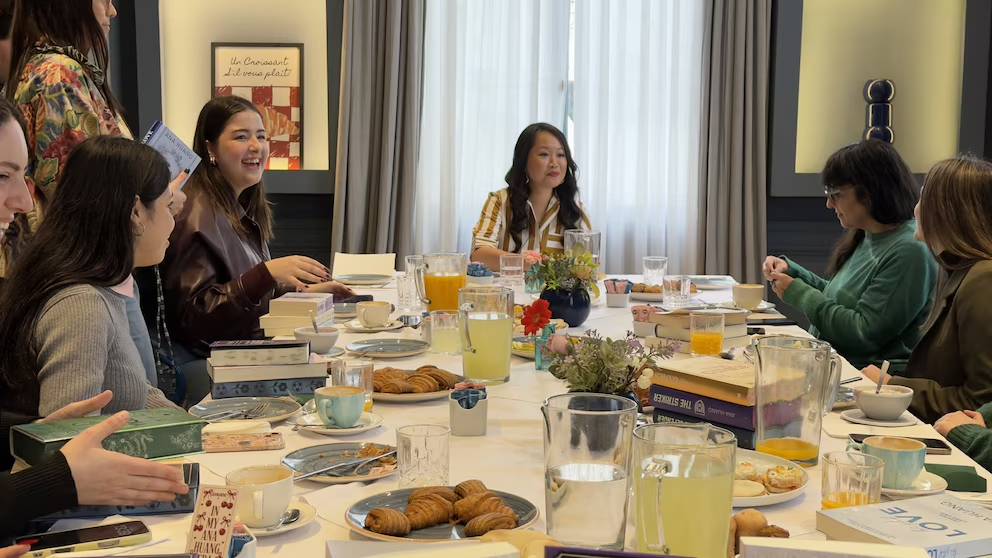
Hundreds of readers waited for as long as six hours under a persistent drizzle to meet bestselling romance author Ana Huang during her visit to Argentina. The turnout at her Buenos Aires book signing reflected the intensity of a readership built largely through social media, where recommendations, character debates and fan-created content have carried her novels far beyond traditional publishing circles.
Huang has sold approximately 25 million copies worldwide, with her books translated into more than 30 languages. Her interconnected Twisted, Kings of Sin and Gods of the Game series combine familiar romantic conventions with aspirational settings, emotional conflict and recurring characters. Titles such as Twisted Love and King of Wrath have become especially visible on BookTok, introducing her work to readers who increasingly discover fiction through short videos rather than conventional reviews.
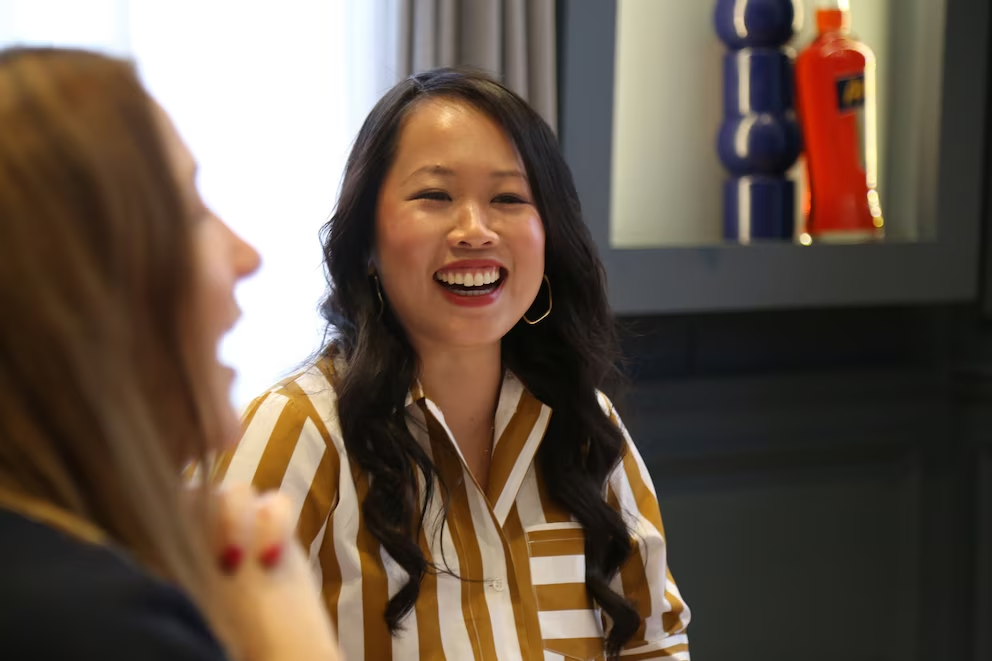
Her trajectory also illustrates how the boundary between self-publishing and the established book industry has weakened. Huang initially released her fiction independently before its online success attracted international publishers and expanded distribution. What began as a digitally driven readership has become a commercial network encompassing translations, collector’s editions, international tours and screen development.
Two major adaptations are now advancing. Netflix acquired the rights to develop the four-book Twisted series for television, although casting and a release date have not been announced. Amazon MGM Studios is separately developing Huang’s football-centered Gods of the Game novels as a film trilogy. Huang is involved as an executive producer, giving her some influence as stories shaped by readers’ imaginations move into a more collaborative audiovisual medium.
That transition brings opportunity and risk. Adaptations can reach audiences unfamiliar with the books, but Huang’s readers have precise expectations about character chemistry, tone and representation. The author has acknowledged that screen versions cannot reproduce every detail and that preserving the emotional core matters more than achieving literal equivalence. Her unusually engaged fan community will make every creative decision visible and contested.
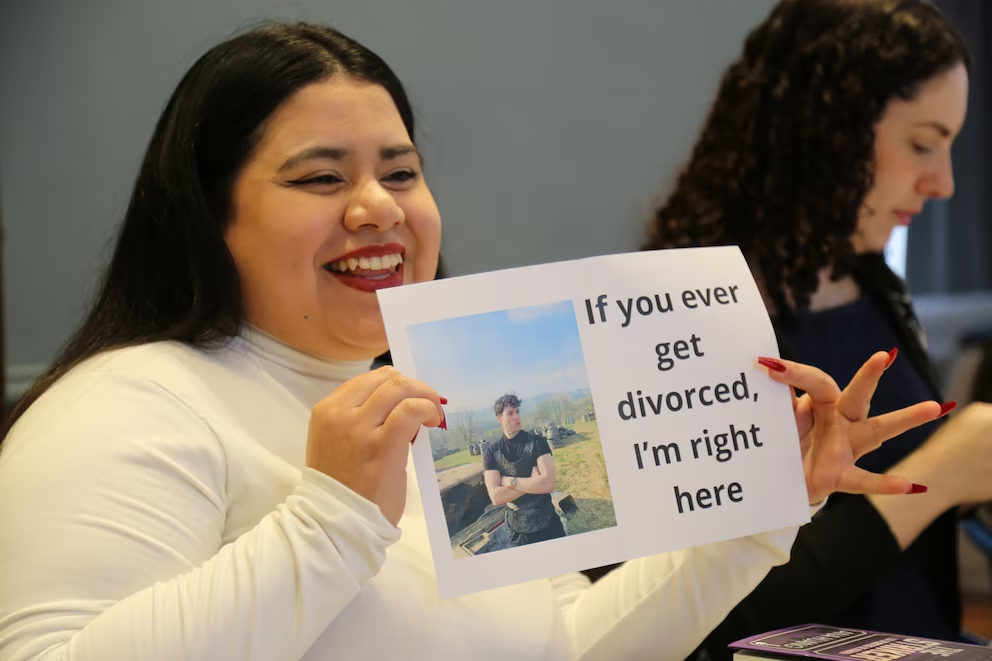
The Buenos Aires reception therefore represented more than enthusiasm for one writer. It demonstrated the continuing commercial power of romance, a genre frequently underestimated despite sustaining large portions of the publishing market. It also revealed a changed literary hierarchy: readers can now elevate an independently published author into an international brand before traditional cultural institutions have fully recognized her influence.
Readers do not merely follow literary phenomena; they increasingly create them.