

 Phoenix 24
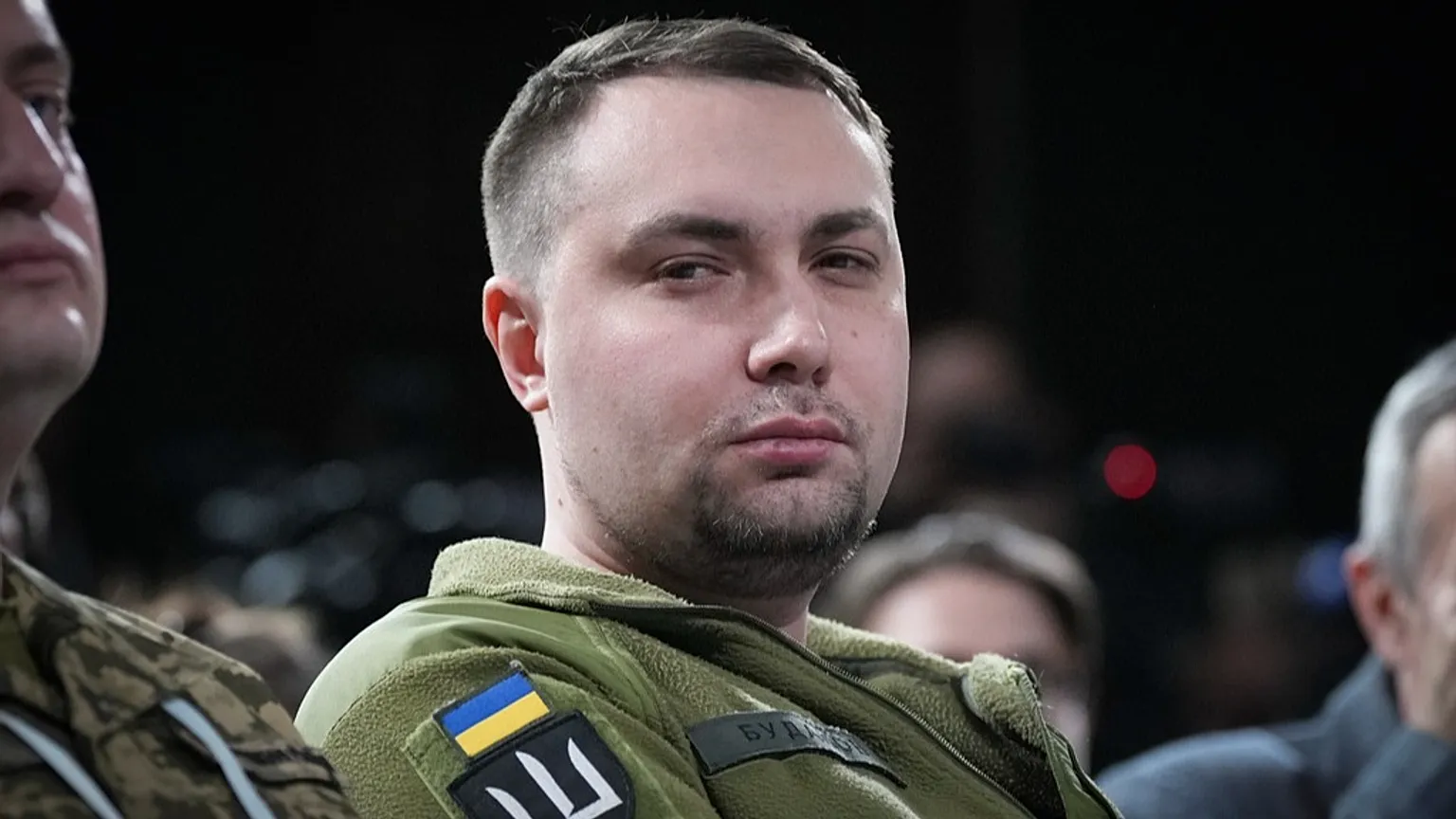
The move signals a consolidation of wartime decision making within the presidential office as Ukraine continues to navigate military pressure and diplomatic uncertainty.
Kyiv, Ukraine.
Ukrainian President Volodymyr Zelensky has appointed Lieutenant General Kyrylo Budanov, head of the country’s military intelligence service, as his new senior aide within the presidential administration. The decision represents a notable shift in Ukraine’s leadership structure, placing a key intelligence figure at the center of political coordination during an ongoing war and a period of intensified international diplomacy.
Budanov, who has led Ukraine’s military intelligence since 2020, is widely regarded as one of the most influential security officials to emerge during the conflict with Russia. His elevation to a senior advisory role close to the president underscores the growing weight of intelligence and defense considerations in the daily management of the Ukrainian state. The appointment comes as Kyiv balances battlefield realities with diplomatic engagement involving its international partners.
The decision follows changes within the presidential office that have opened space for a restructuring of senior advisory roles. By selecting a figure with deep operational experience, Zelensky appears to be prioritizing rapid decision making, strategic coherence and a tighter integration between intelligence assessments and political leadership. Observers interpret the move as an effort to reduce institutional friction at a time when policy choices carry immediate military and geopolitical consequences.
Budanov’s tenure as intelligence chief has been marked by high profile operations, public communications aimed at both domestic and international audiences, and a reputation for blunt assessments of the war’s trajectory. His visibility has made him one of the most recognizable figures within Ukraine’s security establishment, and his transition into a political coordination role reflects a blurring of traditional boundaries between intelligence operations and executive governance under wartime conditions.
The appointment also necessitates adjustments within Ukraine’s intelligence apparatus, with leadership changes expected to ensure continuity of operations. Maintaining stability within the intelligence services remains critical as Ukraine continues to rely heavily on timely information, counterintelligence efforts and coordination with allied partners.
Analysts note that placing an active intelligence leader in such a prominent advisory position departs from conventional civilian administrative norms. However, Ukraine’s prolonged state of emergency has reshaped governance practices, making security expertise a central component of political authority. In this context, Budanov’s appointment can be read as an institutional response to sustained external threat rather than a symbolic reshuffle.
The move occurs amid renewed diplomatic activity and continued military engagements, reinforcing the perception that Ukraine’s leadership views security strategy and political management as inseparable. By consolidating trusted figures with operational credibility around the presidency, Zelensky signals a preference for cohesion and discipline within his inner circle as the conflict enters another uncertain phase.
Whether Budanov’s transition from intelligence command to presidential advisory work will reshape internal power dynamics remains to be seen. What is clear is that the appointment reflects a broader wartime logic in which expertise, loyalty and strategic alignment outweigh conventional divisions between military and civilian roles.
Detrás de cada dato, hay una intención. Detrás de cada silencio, una estructura.
Behind every data point, there is an intention. Behind every silence, a structure.