

 Phoenix 24
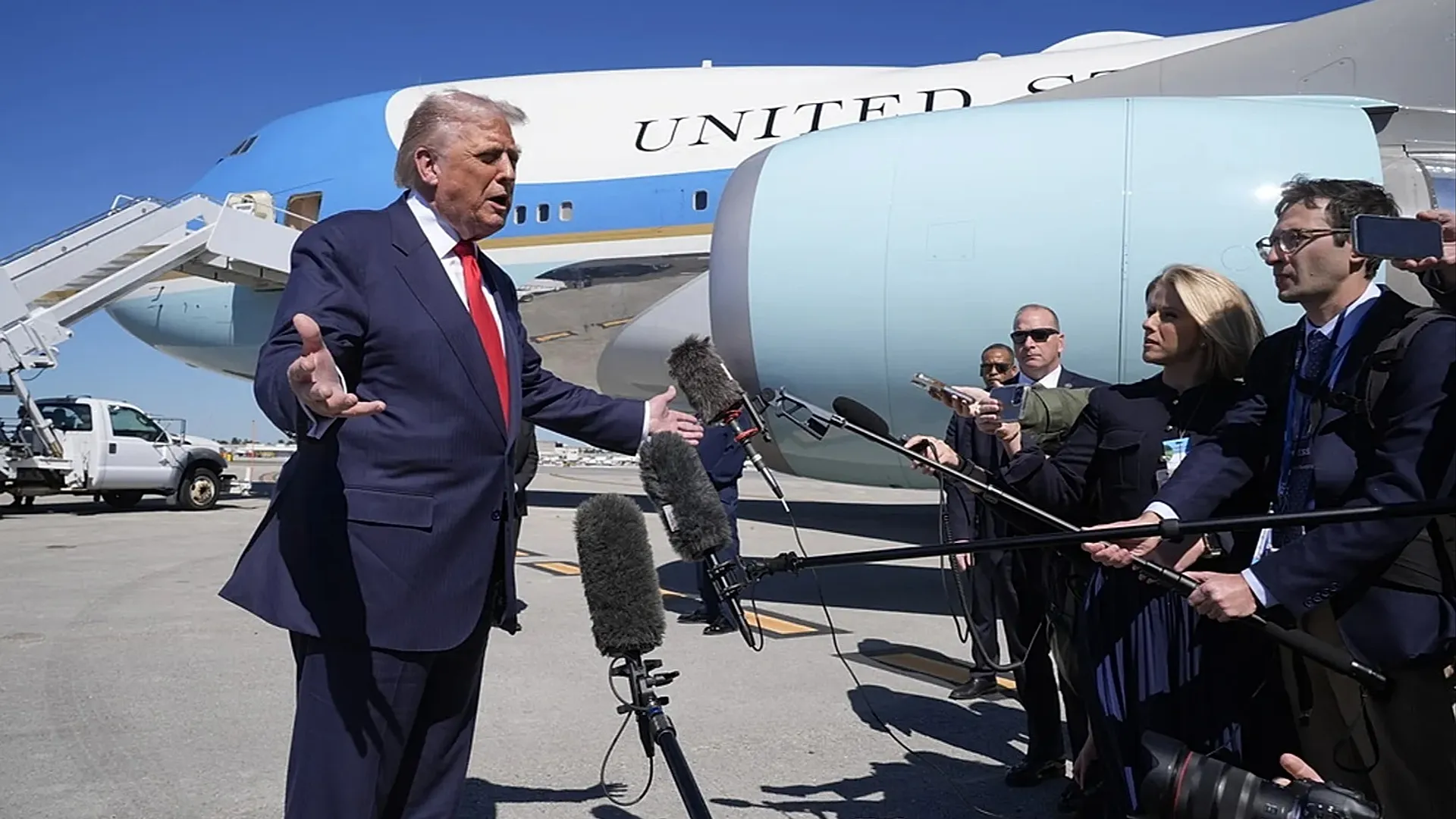
Some political decisions do not aim to inform. They aim to discipline.
Washington, December 2025
The White House has unveiled a digital platform that reframes its long conflict with the press into an institutional mechanism. Presented as a public Hall of Shame, the portal identifies journalists and news organizations that the administration of Donald Trump accuses of biased reporting or misleading narratives. It also encourages citizens to submit complaints about coverage they consider inaccurate. With its launch, the government shifts from rhetorical attacks against the media to a structured system of classification that seeks to shape public perception by naming and isolating those deemed problematic.
The platform opened with a list that included several well known outlets. Officials defended the initiative as a transparency tool intended to document recurring errors in media coverage. Yet specialists in freedom of expression warn that a publicly curated catalog of supposed offenders, managed directly by the Executive Branch, introduces an implicit pressure that could influence editorial judgment. Analysts in Europe have pointed out that the practice of labeling the press as an adversary has historically contributed to the weakening of democratic safeguards, especially when the stigmatization is carried out by the state rather than by independent organizations.
The concerns extend beyond the symbolic. Recent assessments by the Center for Strategic and International Studies underline that, in environments of extreme political polarization, government led campaigns against the press can erode public trust and create openings for foreign influence operations. From Asia, investigators cited by the South China Morning Post remind that the deterioration of credibility between institutions and the media facilitates the penetration of external narratives in democratic societies. Meanwhile, Reporters Without Borders has recorded a progressive decline in the protection of journalistic freedom across several Western countries, including the United States, where confrontational rhetoric continues to escalate.
Although the Hall of Shame does not impose legal penalties, its effects are potentially significant. By soliciting public denunciations of journalists, the administration introduces a participatory component that blurs the boundary between accountability and defamation. The structure of the portal positions the government as an arbiter of journalistic legitimacy, transforming the concept of fake news into a systematic monitoring apparatus rather than a rhetorical device. It creates an archive that can be updated, referenced and circulated, which amplifies the dynamics of confrontation and intensifies the cost of dissent.
Observers note that the initiative signals a new phase in the relationship between political power and the press. Instead of contesting specific stories, the administration has built an infrastructure for classification, one designed to influence reputations and recalibrate public confidence. Studies from the Reuters Institute show that consistent patterns of government sponsored shaming can push newsrooms toward defensive editorial stances, reducing investigative depth and increasing the perceived risks of challenging the official narrative. Over time, these pressures may alter not only the tone of coverage but the ability of journalists to function as independent watchdogs.
International reactions reflect a broad sense of unease. In Europe, the Council of Europe has repeatedly warned that the systematic stigmatization of the media is an early indicator of democratic deterioration. In Africa, research from the Institute for Security Studies documents how similar tactics have been used to weaken institutional counterweights in hybrid regimes that combine electoral processes with authoritarian tendencies. These parallels raise concerns among scholars of governance who emphasize that, when a government decides to formalize a structure devoted to identifying and exposing journalists, it reshapes the balance between scrutiny and power in ways that are difficult to reverse.
The political context surrounding the launch of the Hall of Shame suggests that the measure is not an isolated gesture. It forms part of a broader effort to control the narrative architecture of the current political cycle, where legitimacy is contested not only through policy but through the framing of information itself. In this landscape, the White House has moved to redefine the terms of engagement with the press, treating it less as a critical institution and more as a domain to be managed. The long term implications extend far beyond Washington, as governments around the world observe how the United States navigates an increasingly adversarial media environment.
As the portal begins to gain traction, the central question persists. When an administration institutionalizes the public exposure of journalists, does it defend transparency or undermine the foundation of democratic oversight. The answer may determine not only the future of American journalism but the health of democratic discourse in any country that chooses to emulate this model. What remains clear is that the debate over media legitimacy has moved into a new arena, one where silence is replaced by curated accusation and where power is exercised through the architecture of narrative itself.
Phoenix24: clarity in the grey zone.
Phoenix24: claridad en la zona gris.