

 Phoenix 24
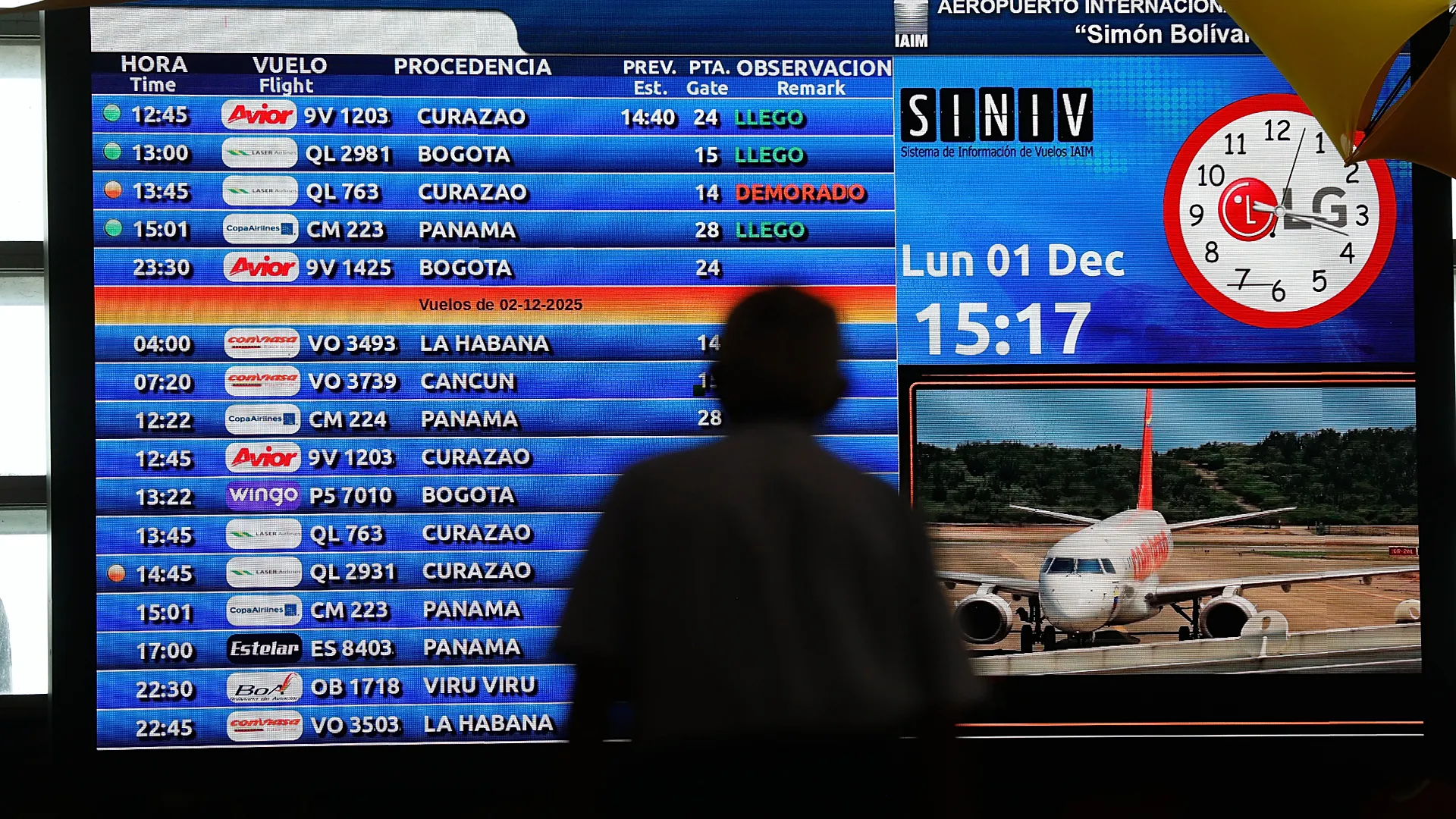
When borders tighten in the sky, political isolation becomes impossible to disguise.
Caracas, December 2025
The sudden disruption of flights to and from Venezuela has reshaped the nation’s geopolitical posture with remarkable speed. What began as a series of aviation safety alerts has transformed into a regional test of trust and legitimacy. Airlines across the continent suspended operations citing risks in Venezuelan airspace, and the country now faces a level of isolation not seen in years. Confronted with a crisis that affects migration, commerce and regional mobility, President Nicolás Maduro has turned to an unexpected strategy. He is calling on neighbouring countries to establish joint security mechanisms that, according to his government, would reinforce stability far beyond Venezuela’s borders.
His message portrays the crisis not as a domestic failure but as a regional challenge. He argues that the country has dismantled major criminal networks internally and is now prepared to share intelligence, operational capacities and security architecture with partners across the continent. By presenting Venezuela as both victim and guarantor of stability, the government seeks to reposition itself at a moment when its international standing remains fragile. The most striking aspect of this proposal is the contrast between internal claims of restored control and external perceptions that view Venezuelan airspace as increasingly unpredictable.
The suspension of flights created immediate consequences. Thousands of travellers were stranded. Migrants attempting to return home found no viable route. Families saw holiday plans abruptly cut off. Businesses dependent on air logistics faced delays that compounded supply chain pressures. While aviation authorities abroad cited technical and operational risks, officials in Caracas dismissed those concerns. They argued that the alerts were politically motivated and intended to intensify the country’s isolation. For the Venezuelan government, the airspace crisis has become evidence of external interference, not a reflection of internal deterioration.
Neighbouring states have responded with caution. While some acknowledge that transnational crime requires coordinated action, the prospect of deep operational cooperation with Venezuela raises concerns. Many governments question whether the institutions responsible for internal security in Venezuela possess the transparency, capacity and credibility required for joint missions. Regional diplomats privately admit that trust remains dangerously low. They fear being drawn into complex disputes or internal dynamics they cannot control. The Venezuelan proposal therefore lands on a landscape marked by suspicion as much as by necessity.
At the same time, Latin America faces a rising demand for renewed security frameworks. Migration flows intensify pressure on borders. Maritime routes have become contested by criminal networks. Air transport vulnerabilities reveal the fragility of continental connectivity. Analysts from European, American and Asian research centres note that the Venezuelan crisis reflects a global trend. States under stress attempt to transform domestic vulnerabilities into regional agendas. The intention may be strategic, but the effectiveness depends on credibility, shared incentives and the availability of trusted institutions capable of implementing collective decisions.
In the Venezuelan case, credibility remains the central dispute. Maduro insists that the dismantling of local criminal structures has produced a safer environment. Observers and foreign agencies remain unconvinced. Reports of institutional decay, corruption and entrenched criminal influence continue to shape international assessments. These conflicting narratives complicate the path toward cooperation. Even if neighbouring countries recognize the value of coordinated security operations, they must weigh that need against the reputational and political risks of aligning themselves too closely with Caracas.
For ordinary Venezuelans, the crisis has taken on a more immediate meaning. The interruption of flights is not merely an inconvenience. It represents another layer of isolation in a country where mobility is already limited by economic hardship and political uncertainty. Communities dependent on travel for work, health or family contact now face an unpredictable barrier. The aviation crisis reinforces a sense of dislocation that has accompanied Venezuelan life for nearly a decade.
The government continues to insist that joint regional operations are the appropriate response. Yet the proposal functions as both diplomacy and message. It allows Venezuela to assert a position of agency rather than vulnerability. It frames the crisis as a regional security challenge rather than a national fault line. Whether this narrative can influence the positions of neighbouring states remains unclear. Regional leaders must decide whether engagement with Caracas can produce stability or whether it risks deepening tensions.
As the crisis evolves, one reality stands out. Airspace is more than a physical corridor. It is a symbol of connection, trust and international standing. When flights stop, nations confront a new definition of isolation. Venezuela’s attempt to counter that isolation through regional alliances reveals the complexity of a continent navigating insecurity while trying to preserve sovereignty. The coming weeks will determine whether the country’s offer becomes a path to cooperation or another episode in a long cycle of diplomatic uncertainty.
Phoenix24. Narrative is power too. / Phoenix24. La narrativa también es poder.