

 Phoenix 24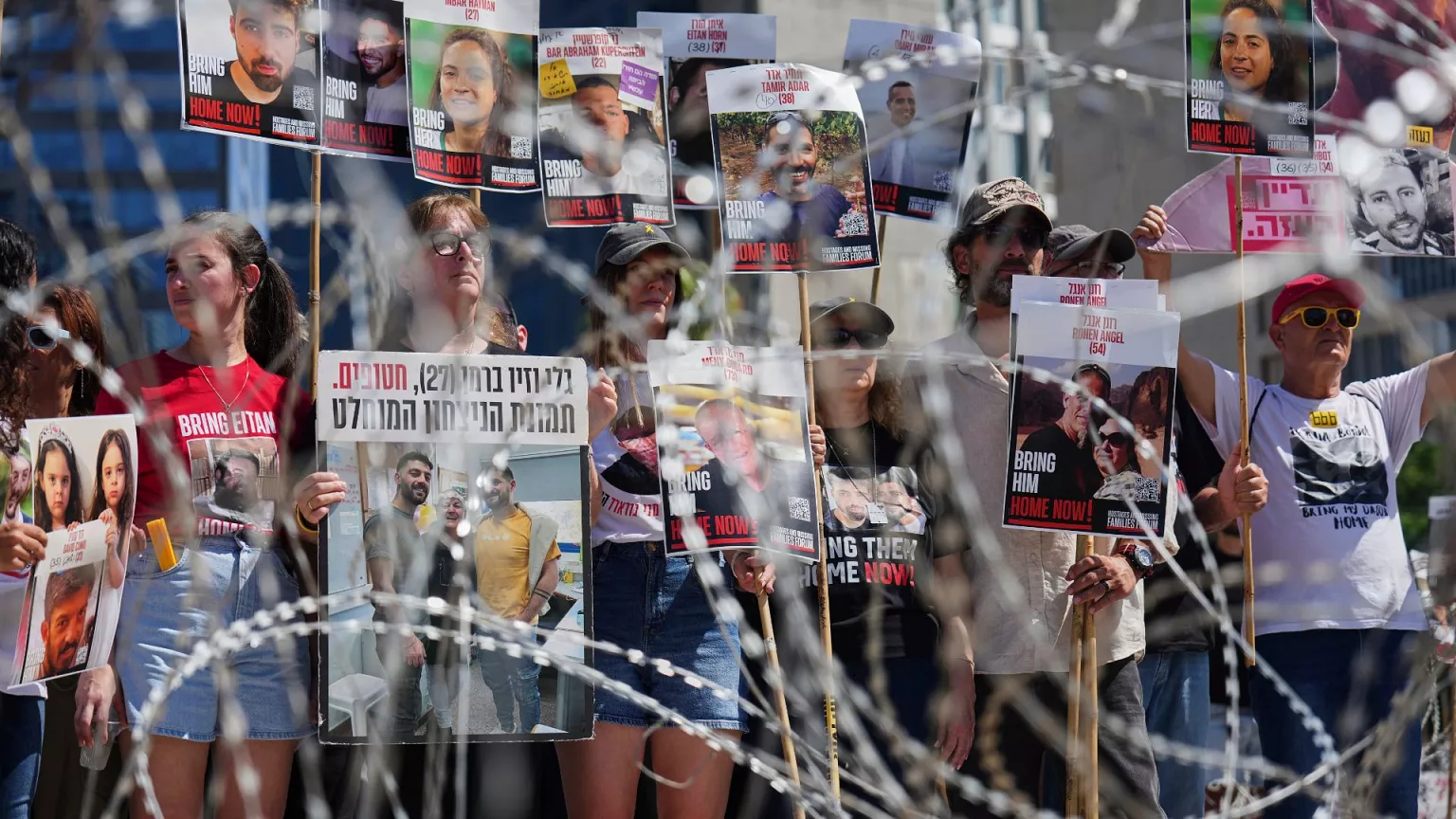
In the shadows of the conflict, cameras pull the trigger too.
Brussels, August 4, 2025 — A new front has emerged in the Israel–Palestine conflict. This time, it’s not about drones, tunnels, or airstrikes—but about carefully orchestrated videos. Hamas has released footage of Israeli hostages held in Gaza, portrayed in vulnerable conditions, making a direct emotional appeal to the global public. Western leaders were swift to react, issuing strong condemnations and accusing Hamas of turning the hostages into tools of psychological warfare.
The official position from Washington, Paris, Berlin, London, and Brussels is clear: the videos constitute a flagrant violation of international humanitarian law. According to spokespeople from the French presidency and the U.S. National Security Office, these clips are part of a deliberate propaganda strategy and could amount to “psychological torture,” based on standards set by the International Committee of the Red Cross. U.S. Secretary of State Antony Blinken demanded the “immediate and unconditional” release of the captives, while Germany warned of a “semiotic terror” campaign intended to destabilize public opinion.
Yet beyond official condemnation, the videos have disrupted the West’s unified communications strategy. Analysts from NATO’s StratCom Centre of Excellence and the European Council on Foreign Relations (ECFR) have warned that Hamas is exploiting Western moral fault lines. By revealing the faces and identities of the hostages, the group forces audiences to confront the human cost of war—something that state narratives often downplay using diplomatic language.
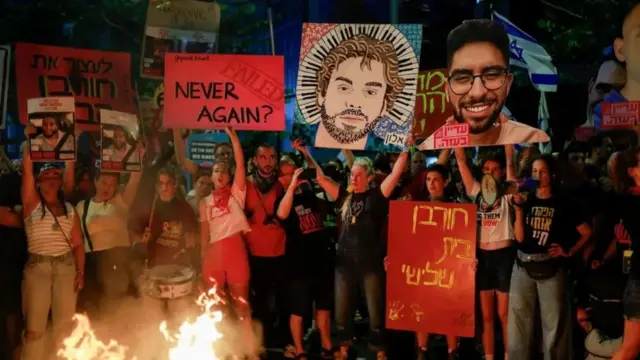
Inside Israel, the response has been twofold. Prime Minister Benjamin Netanyahu has reiterated his policy of refusing negotiations with terrorist organizations. At the same time, pressure from hostage families is mounting. Over the past weeks, thousands have gathered outside the prime minister’s residence in Tel Aviv, accusing his administration of abandoning human lives for political survival. As reported by Haaretz, the release of these videos has been interpreted by many Israelis as a blow to the tight media blackout the government maintains regarding the status of the hostages.
In Doha—where Qatar and Egypt are attempting to mediate indirect talks—the release of the videos has caused significant discomfort. Qatari officials, who play a crucial role in backchannel diplomacy between Hamas and the U.S., are said to have privately urged Hamas to refrain from further releases, fearing a total collapse of negotiations. However, sources close to Egyptian intelligence told Phoenix24 that Hamas’s media operations are run by autonomous cells and that propaganda decisions are often made without coordination with diplomatic channels.
Meanwhile, international organizations like Human Rights Watch and Amnesty International find themselves in a grey area. While they strongly condemn the exploitation of hostages for media purposes, they also demand greater transparency from Israel regarding its own detentions. According to data from B’Tselem, more than 5,400 Palestinians—including minors—are currently held under administrative detention without trial, complicating the moral framing Western governments seek to maintain.
Media coverage has reflected this geopolitical rift. Outlets such as BBC and France24 framed the videos as manipulative and unethical, whereas Global South broadcasters like Al Jazeera and Iran’s PressTV aired the footage in full, describing it as evidence of human suffering under siege. This divergence reinforces an already entrenched perception: the Israel–Hamas conflict is fought not only with missiles and interceptors, but also with narratives, frames, and algorithms.
Experts on psychological operations from the CSIS and Mossad consulted by Phoenix24 describe Hamas’s media campaign as a strategy of “emotional asymmetry.” Unable to match Israel’s military power, the group turns instead to symbolic, emotionally charged tactics aimed at destabilizing the international diplomatic and media terrain. As one former Israeli intelligence officer put it, “When you can’t win in the skies, you aim to win morale. And that battlefield is digital, not physical.”
If nothing changes, the narrative surrounding the hostages will remain a moral battleground. Western governments will likely double down on condemnation while continuing to support Israel militarily and diplomatically. Hamas, for its part, will continue to weaponize emotion in pursuit of strategic leverage. Should a disruption occur—such as a leak of secret Israeli negotiations or the release of even more disturbing footage—the fragile alliance with Qatar may fracture, and mediation efforts by Egypt and the U.S. could collapse entirely. In that case, Hamas’s regional isolation might intensify—but so too might its media influence.
And if other actors such as Iran or Turkey choose to exploit this narrative fracture, the Gaza conflict could once again transcend its regional bounds. What now appears to be a localized crisis may evolve into a global spectacle of informational warfare, ideological polarization, and perceptual domination—one where the moral compass is calibrated not by facts, but by the image that travels furthest and moves the most hearts.
This article was produced by the Phoenix24 editorial team based on public information, verified international sources, and independent geopolitical analysis.
Esta nota fue elaborada por el equipo editorial de Phoenix24 con base en información pública, fuentes internacionales verificadas y análisis geopolítico independiente.