

 Phoenix 24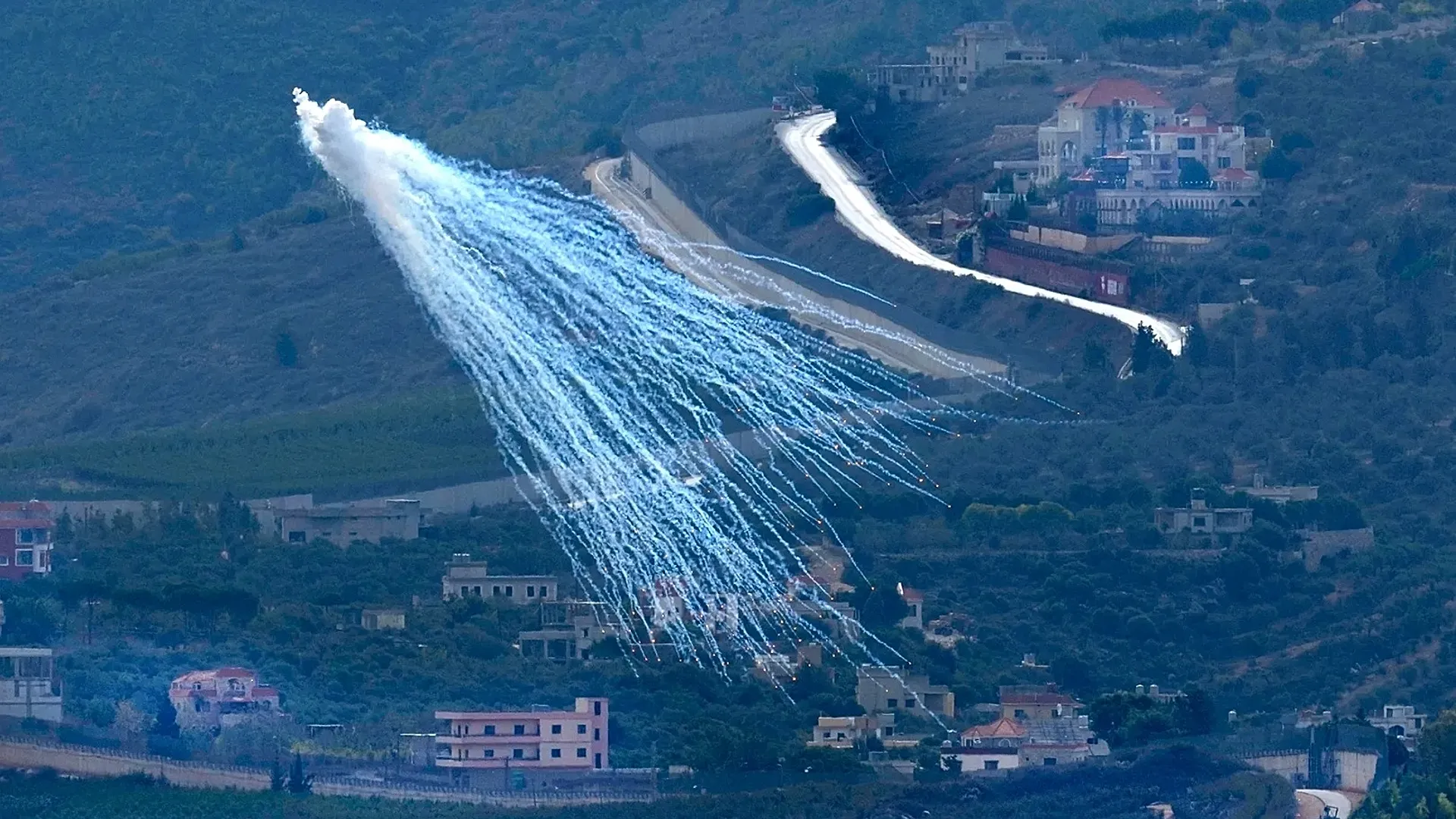
Environmental damage in Catalonia intersects with allegations surrounding military supply chains.
BARCELONA, SPAIN — June 2026. Environmental groups and local communities in Catalonia have intensified their campaign against Israel Chemicals Ltd., known as ICL, over the impact of its mining operations in the Bages region and its reported connection to white phosphorus supply chains. Nearly 1,000 people gathered between April 17 and 19 for a protest camp opposing the continued extraction of sodium and potassium salts in an area already affected by water scarcity, industrial waste and long-running concerns over workplace safety.
ICL operates in Spain through its subsidiary Iberpotash, which has managed mining sites in Sallent, Balsareny, Vilafruns and Súria since their privatization in 1998. Local organizations, including the Montsalat platform, have spent years warning that the company’s operations have produced enormous piles of saline waste. Rain and humidity can dissolve these deposits into contaminated brine that may filter into groundwater, streams, wells and rivers throughout the Llobregat basin.
The Llobregat is one of Catalonia’s most important waterways and supplies water to Barcelona and surrounding metropolitan areas. Activists argue that mining operations have consumed significant volumes of water while the region has endured recurring droughts. They also maintain that pollution from the waste deposits has affected communities beyond the immediate mining zone, extending the environmental consequences into the Baix Llobregat region closer to the Catalan capital.
The demonstrations were not limited to concerns about mining and water pollution. Protesters also denounced ICL’s reported involvement in the production and supply of white phosphorus, a chemical that ignites when exposed to oxygen and can cause severe injuries. The substance adheres to skin and clothing, continues burning until deprived of oxygen and can penetrate deeply into human tissue, making exposure particularly dangerous in populated areas.
Human rights organizations documented the use of white phosphorus by Israeli forces in southern Lebanon in October 2023 and reported its presence in military operations connected to Gaza. International humanitarian law does not prohibit white phosphorus in all circumstances, as it can be used for illumination or to create smoke screens. Its use in or near densely populated civilian areas, however, has drawn intense scrutiny because of its indiscriminate effects and the extreme burns it can cause.
Activist organizations have cited a United States government contract under which ICL supplied white phosphorus to the American military between 2020 and 2025. The company reportedly acknowledged the agreement after initially disputing broader claims surrounding its activities, while maintaining that the supply concluded in 2023. Some investors have argued that ICL does not directly manufacture the chemical, although campaigners say the contractual relationship warrants greater transparency regarding the final destination and military use of its products.
The controversy has connected a local environmental dispute in Catalonia with the humanitarian consequences of warfare in the Middle East. Campaigners argue that the same corporation accused of damaging water systems and landscapes in Spain has participated in supply chains involving a substance used in military operations abroad. ICL has faced calls to clarify its role, disclose the companies and governments involved and explain how it monitors the end use of potentially dangerous materials.
The mining operations have also generated serious concerns over worker safety. According to organizations monitoring the sector, eight workers, including miners and geologists, died between 2011 and 2023. The fatalities were attributed mainly to rockfalls, accidental falls and crushing incidents involving the rail wagons used to transport extracted material. Two of those killed were reportedly students completing professional training placements.
Labor unions have organized strikes and repeatedly demanded stronger workplace protections. The deaths have reinforced criticism that the environmental costs of the industry are accompanied by unacceptable risks for employees. Local residents and campaigners argue that any assessment of the mines must consider not only their economic value but also their effects on workers, public health, water resources and surrounding ecosystems.
European institutions have previously intervened over the management of mining waste in the region. The European Commission opened infringement proceedings against Spain in 2014 over alleged failures to comply with European rules governing extractive waste and the restoration of affected sites. Three years later, European authorities concluded that Spain had granted Iberpotash illegal state aid incompatible with the internal market and ordered the recovery of the improperly awarded funds.
The dispute has recently gained visibility through the documentary “Sal a la ferida,” translated as “Salt in the Wound.” The production presents testimony from six people affected by the mining operations and includes interviews with farmers, researchers and environmental activists. Its central argument is that the costs of extraction have been transferred to local communities while institutional authorities have failed to impose sufficient environmental and corporate accountability.
During the April protest camp, participants organized public discussions, workshops and direct actions. Some activists climbed the mining waste deposits, while others dismantled sections of railway used to transport material from the Súria mine to the Port of Barcelona. Organizers said the actions were intended to disrupt the logistical system supporting the industry and draw attention to the connection between local extraction, international trade and military supply networks.
Restoration plans for the closed sites in Sallent and Balsareny-Vilafruns have also faced criticism. A plan approved in 2018 allows up to 50 years for salt stored in the waste piles to be extracted and sold before full restoration is completed. The El Cogulló deposit alone is estimated to contain more than 40 million tonnes of waste, illustrating the scale and duration of the environmental challenge.
Current mining activity is concentrated in the Cabanasses mine near Súria, where ICL continues operating as pressure from campaigners grows. Local groups are demanding faster restoration, independent monitoring of water quality, stronger worker protections and complete transparency regarding the company’s military-related contracts. They also want Catalan and Spanish authorities to explain their continued institutional support for the mining operations.
The controversy places ICL at the center of a broader debate about corporate responsibility across borders. Environmental damage, occupational safety and the military use of industrial products are often examined separately, but activists in Catalonia argue that they form part of the same accountability problem. Their campaign seeks to demonstrate how decisions made within one industrial basin can generate consequences extending from Barcelona’s water system to conflict zones in the Middle East.
At Phoenix24, accountability begins where local impact meets global power.