

 Phoenix 24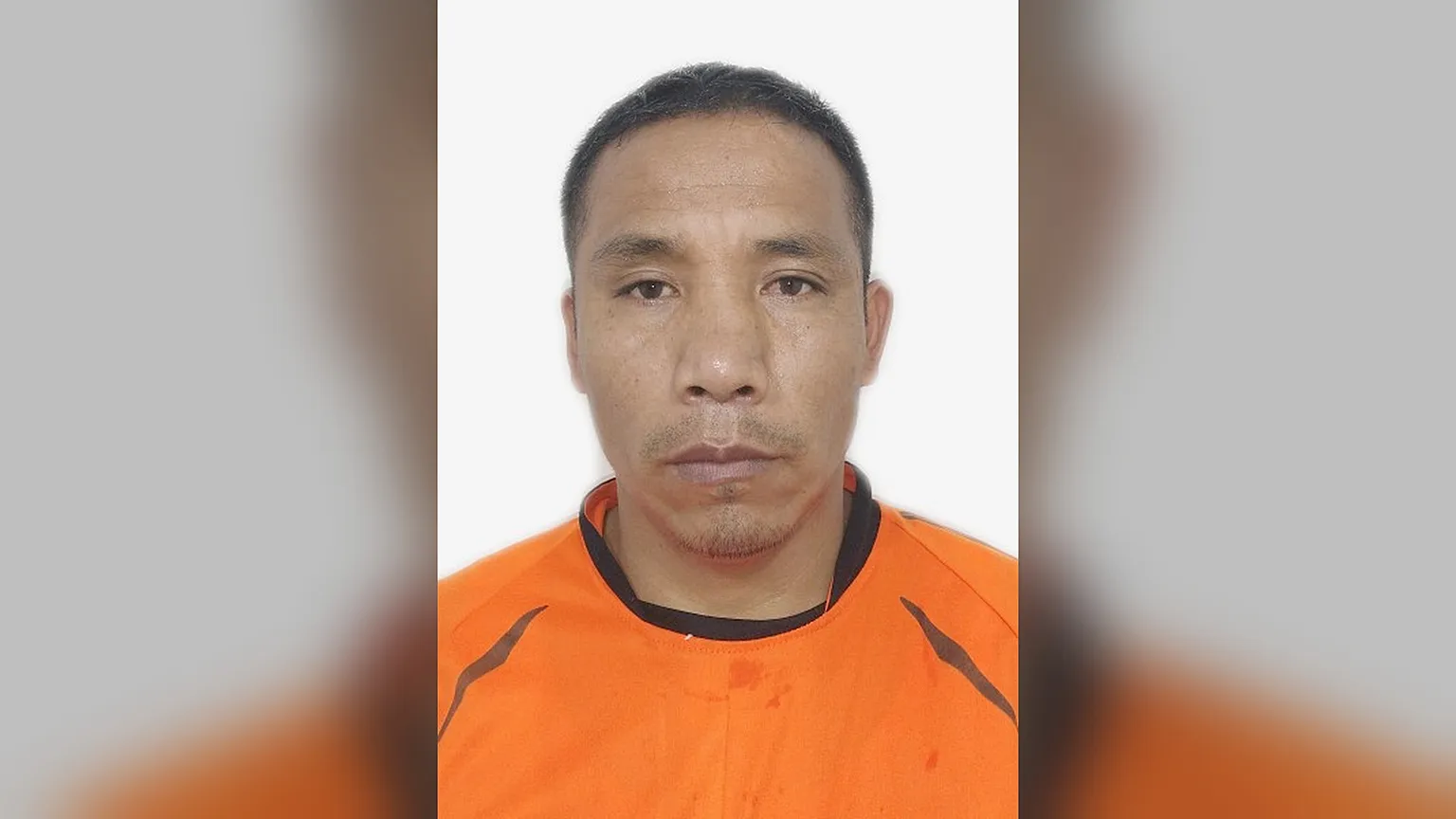
The unusual name drew international attention, but the result itself was decided by ordinary local politics.
Queropalca, Peru
Hitler Mussolini Simeón Flores, a 45-year-old candidate from the center-left party Ahora Nación, has won the mayoral race in Queropalca, a small Andean district in Peru’s Huánuco region. He received 229 votes, or 34.5 percent of the valid ballots, defeating his nearest rival by just 25 votes.
His name immediately transformed an otherwise small municipal contest into an international curiosity. Simeón Flores shares the names of two of the twentieth century’s most notorious dictators, yet the available electoral information indicates that he campaigned as a conventional local candidate rather than around any ideological identification with Adolf Hitler or Benito Mussolini. His official electoral profile identifies him as a businessman and candidate for district mayor.
Queropalca has a population of only a little more than 700 people, making the contest highly localized. In such a small electorate, a margin of 25 votes is significant but also illustrates how personal reputation, neighborhood relationships and local economic concerns can outweigh the broader ideological battles associated with national politics.
The case is not entirely unprecedented in Peru. The country has previously seen politicians with historically charged names, including another politician named Hitler Alba, who served as mayor of Yungar and later returned to electoral politics. Unusual names derived from foreign political or historical figures have periodically appeared in Peruvian public life, often reflecting family naming choices rather than political affiliation.
The attention surrounding Simeón Flores therefore reveals an interesting contrast between local and global perception. International audiences may focus first on the historical weight of his name, while voters in Queropalca were choosing among candidates based on a much narrower municipal context. His victory says far more about the politics of one Andean district than about any revival of twentieth-century European ideology.
The result also demonstrates how easily a local election can become global news when a striking personal detail collides with the dynamics of digital media. A mayoral contest involving fewer than 700 valid ballots would normally remain almost invisible outside Peru, yet the candidate’s name turned it into an international headline within hours.
In the age of global media, sometimes the smallest elections travel the farthest.