

 Phoenix 24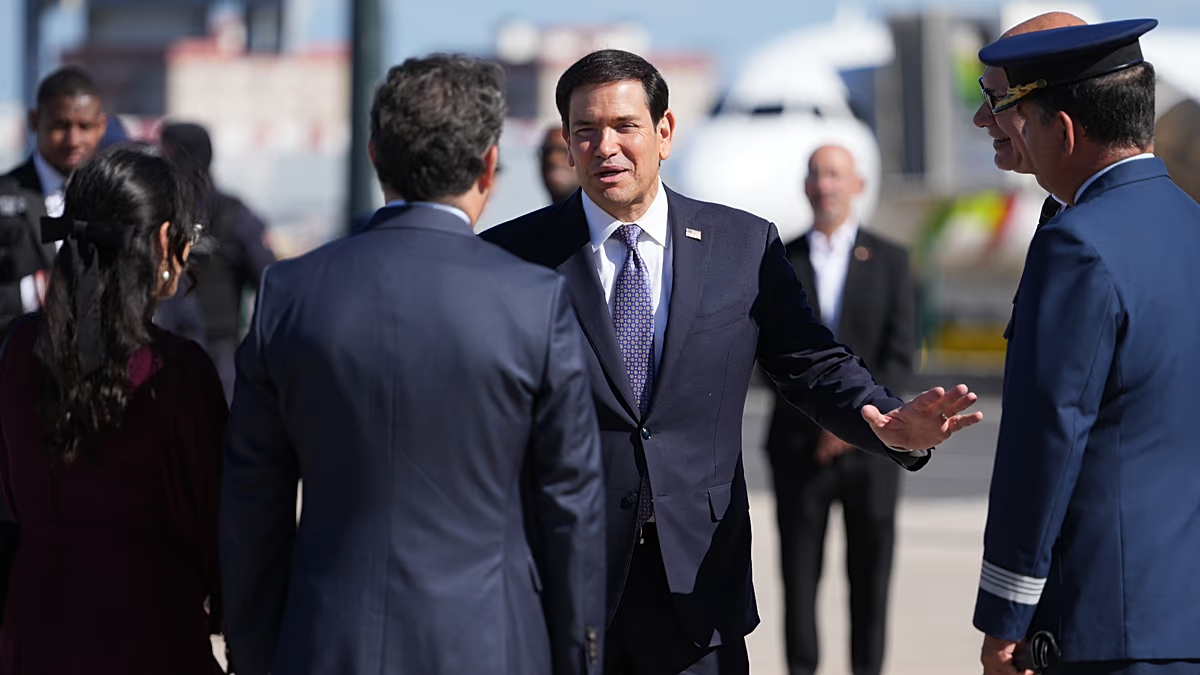
Lisbon is gaining weight at the intersection of defense, technology and Atlantic strategy.
Lisbon, Portugal
U.S. Secretary of State Marco Rubio has described Portugal as the “ideal gateway” for American companies seeking access to Europe, elevating Lisbon’s role inside Washington’s broader transatlantic strategy. During a brief visit, Rubio met Prime Minister Luís Montenegro and Foreign Minister Paulo Rangel, emphasizing defense cooperation, investment and Portugal’s position inside NATO and the European Union. The message was economic, but its strategic meaning was wider. Portugal is increasingly being treated as a platform where Atlantic geography, technology and security converge.
Rubio highlighted the strength of bilateral investment flows, noting that U.S. investors committed more than $20 billion to Portugal last year while Portuguese companies invested more than $2 billion in the United States. He also pointed to the country’s potential as an entry point for American technology firms expanding across Europe. That argument reflects a broader trend in which smaller European states can gain strategic relevance by combining political stability, infrastructure and access to the single market. Portugal’s value lies less in size than in position.
Defense is another pillar. Rubio praised Portugal’s higher military spending and argued that stronger NATO capabilities are necessary for deterrence. Lisbon’s willingness to cooperate with Washington has also been visible through the use of Lajes Field in the Azores, a long-standing strategic asset connecting North America, Europe and the Atlantic. The base has regained relevance as conflicts in Ukraine and Iran increase the importance of logistics, refueling and rapid force movement.
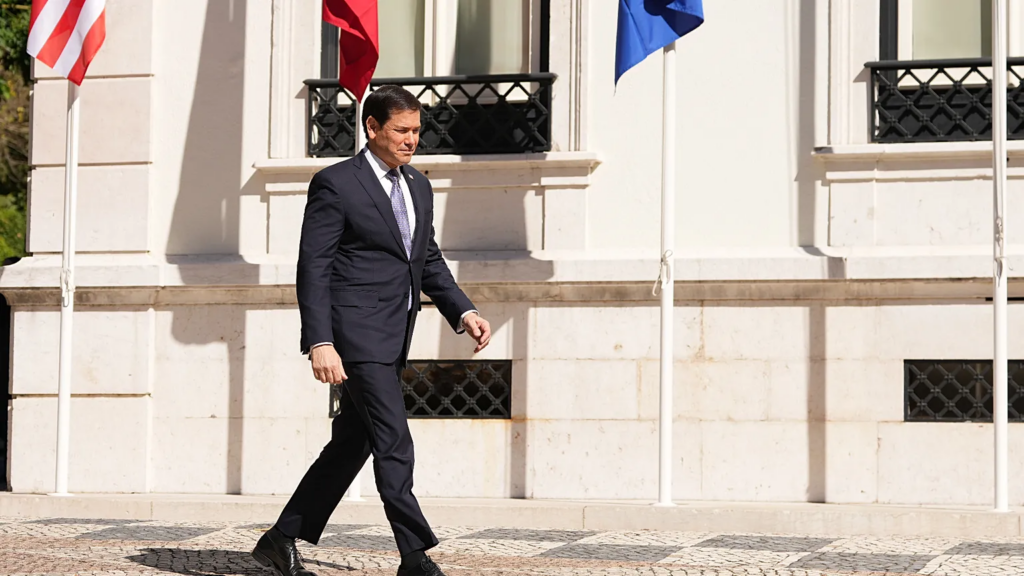
The relationship is not without friction. Portuguese authorities are examining legal questions surrounding the use of Lajes for operations connected to the Iran conflict, while domestic critics have challenged the extent of cooperation with Washington. Foreign Minister Paulo Rangel has stressed that Portuguese support does not extend to actions that violate international law. The episode illustrates the balance Lisbon must maintain between alliance commitments and national legal constraints.
Portugal’s defense choices could further deepen that alignment. The country is evaluating options to replace its aging F-16 fleet, with the U.S.-made F-35 among the leading candidates alongside several European alternatives. That decision will carry consequences beyond aircraft procurement because it could shape future military interoperability, industrial partnerships and Portugal’s strategic orientation for decades.
Rubio’s visit therefore reveals a larger transformation. Portugal is no longer being viewed only as a smaller NATO ally on Europe’s western edge. Its Atlantic location, access to the EU market, technological ambitions and military infrastructure are giving it greater strategic value at a moment when Washington is reassessing how it projects influence across Europe.
Geography becomes power when alliances know how to use it.