

 Phoenix 24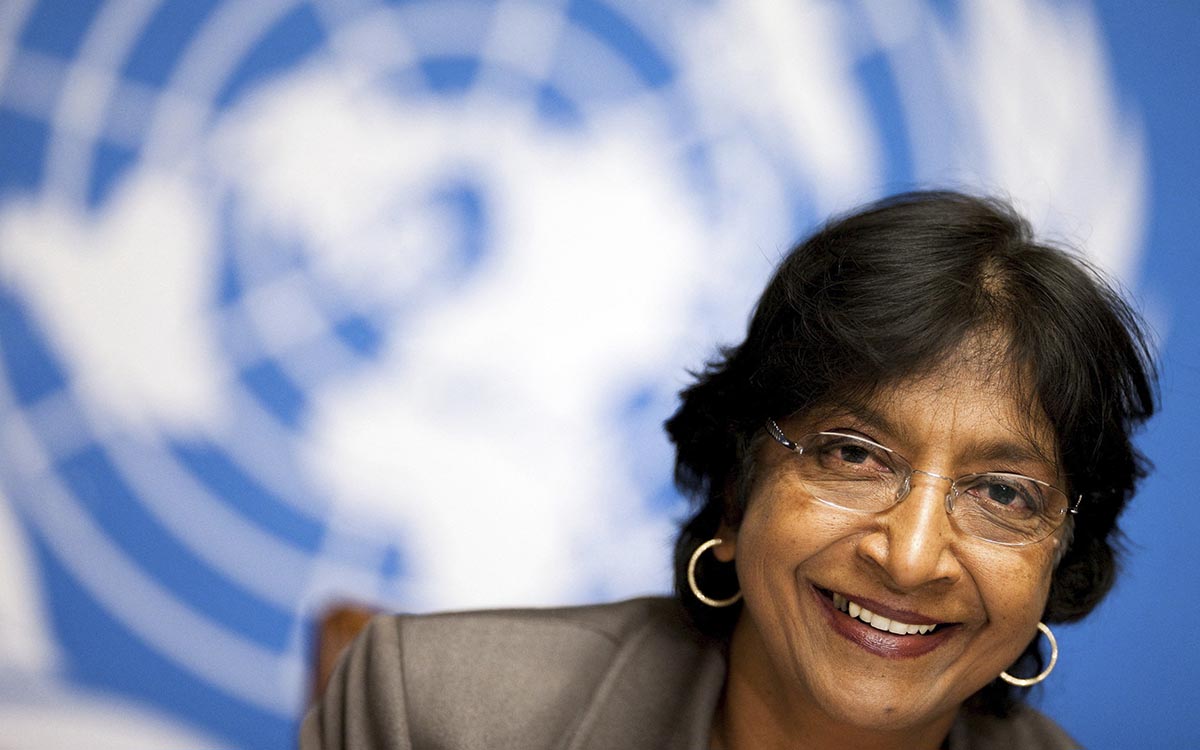
The award recognizes a career built around international law, accountability and human rights.
Oslo, Norway
South African jurist Navanethem “Navi” Pillay has been awarded the 2026 Nobel Peace Prize for her decades-long contribution to international law, human rights and the prosecution of some of the world’s gravest crimes. The Norwegian Nobel Committee highlighted her role in strengthening a global legal order capable of addressing war crimes, crimes against humanity and genocide.
Born in Durban in 1941, Pillay built her career during and after South Africa’s apartheid era. She initially worked as a lawyer defending anti-apartheid activists and later became the first non-white woman appointed as a judge to the South African High Court. Her professional trajectory eventually moved from national courts into the center of international criminal justice.
Pillay served as a judge on the International Criminal Tribunal for Rwanda, where she participated in proceedings related to the 1994 genocide. She later became a judge at the International Criminal Court and subsequently served as United Nations High Commissioner for Human Rights from 2008 to 2014, giving her a prominent role in some of the most contentious global human-rights debates of the period.
More recently, Pillay chaired the Independent International Commission of Inquiry on the Occupied Palestinian Territory, including East Jerusalem and Israel. Her work there placed her at the center of deeply contested legal and political questions surrounding accountability, civilian protection and the application of international humanitarian law.
The Nobel Committee emphasized not only her institutional positions but also the continuity of her work across different legal systems and conflicts. Pillay has consistently argued that international law should apply to powerful governments and weaker actors alike, a principle that remains difficult to enforce when geopolitics, military power and national sovereignty collide.
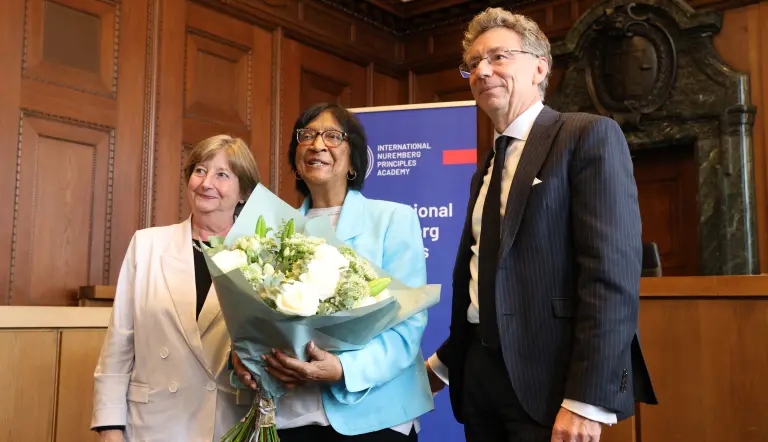
Her selection also carries broader significance at a time when the authority of international institutions is under growing pressure. Courts, investigative commissions and multilateral organizations increasingly face accusations of political bias from governments across different regions. Supporters of these institutions argue that weakening them would make accountability for mass atrocities even more dependent on political power.
The award comes with a prize of 12 million Swedish kronor as the Nobel Foundation marks the 125th anniversary of the Nobel Prize. Pillay, now 85, initially reacted with disbelief when informed of the decision, saying that her instincts as a lawyer and judge made her want to verify the announcement before accepting that it was real.
Her career reflects one of the central tensions of contemporary international relations: laws can define universal standards, but their credibility ultimately depends on whether states are willing to accept those standards when they become politically inconvenient.
Peace is not sustained by law alone, but without law, accountability can disappear precisely when it is needed most.