

 Phoenix 24
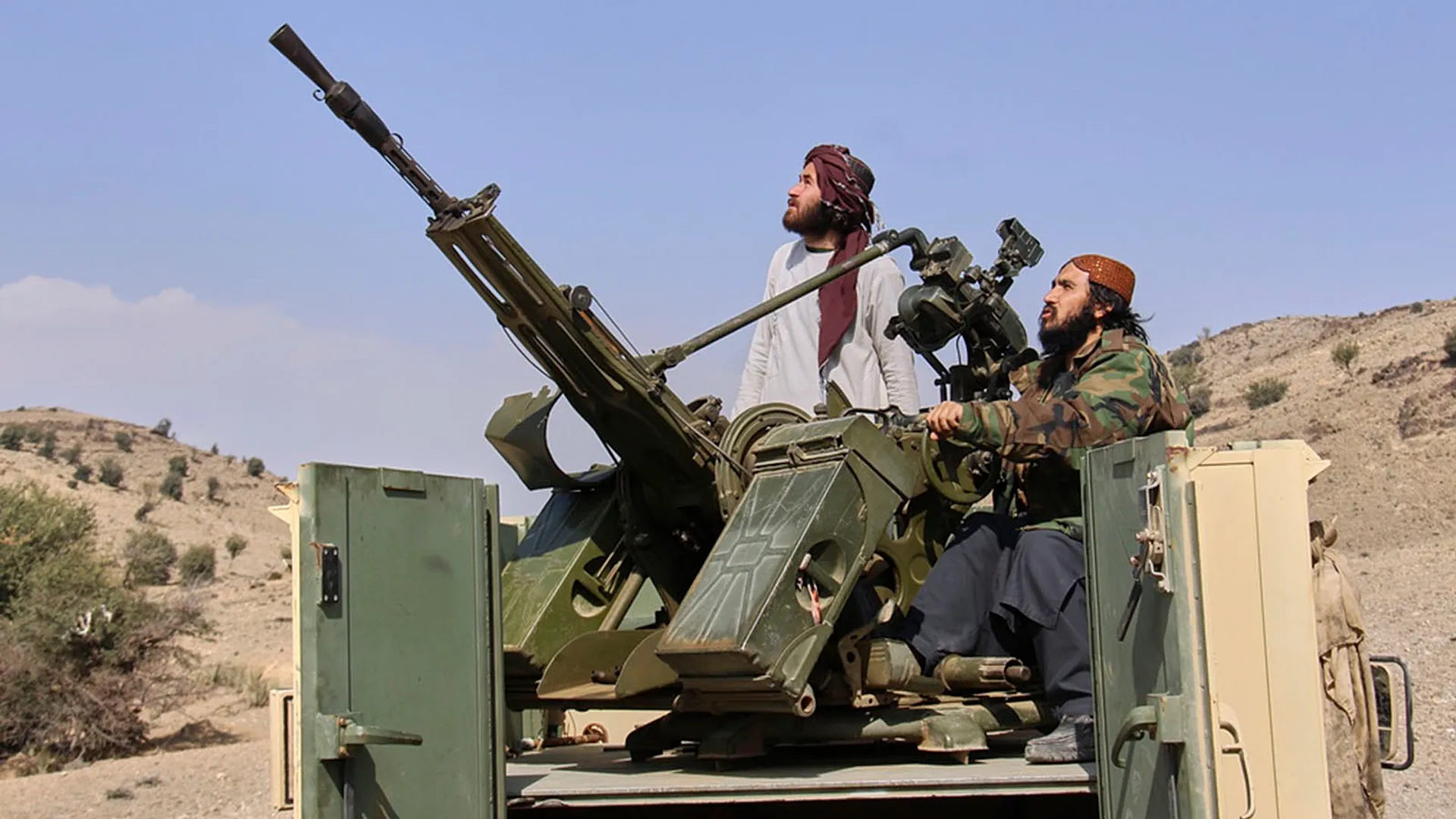
Border retaliation is turning into a regional stress test.
Kabul, February 2026.
The question is no longer whether the Pakistan Afghanistan crisis has escalated. It has. The sharper question is whether the current phase of cross border strikes, retaliatory attacks, and public declarations of “open war” is still coercive signaling or the early structure of a broader conflict that neither side can quickly contain. Recent reporting across international outlets confirms a dramatic rise in violence, including Pakistani strikes on Afghan targets, Taliban retaliatory attacks on Pakistani positions, and expanding clashes along the frontier. What makes this episode especially dangerous is not only the intensity of the exchanges, but the speed with which both governments have shifted from tactical retaliation language to politically maximal framing.
The strategic problem begins with geography and history. Pakistan and Afghanistan share a long, mountainous border that is difficult to monitor, deeply militarized in practice, and entangled with militant networks, smuggling routes, tribal ties, and unresolved sovereignty narratives. In that setting, escalation rarely behaves like a conventional state to state crisis with clear thresholds and stable signaling. Instead, one operation produces a retaliatory strike, that retaliation creates political pressure for a stronger reply, and within days the conflict moves from local military incidents into national prestige territory. Once that happens, de escalation becomes harder because leaders are no longer only managing security. They are managing domestic credibility.
Pakistan’s position is shaped by a long running security grievance that has intensified since the Taliban returned to power in Kabul. Islamabad has repeatedly accused Afghan territory of serving as a permissive environment for anti Pakistani militants, especially the Tehrik e Taliban Pakistan. Afghan Taliban authorities reject key parts of that framing or resist Pakistan’s preferred remedies, and this has widened the gap between the two governments despite their earlier periods of tactical alignment. The current violence therefore is not an isolated flare up. It is the visible military expression of a deeper breakdown in expectations between a state that seeks border control and a neighboring regime that resists externally dictated security arrangements.
For Afghanistan’s Taliban government, the conflict also carries a legitimacy dimension. It cannot appear passive under Pakistani strikes without risking internal reputational damage among commanders, fighters, and local networks that equate restraint with weakness. That pressure can push Kabul toward symbolic retaliation even when the leadership may understand the asymmetry of Pakistan’s military capabilities. In other words, both sides are being pulled by domestic political logic toward actions that may be strategically costly. Pakistan wants deterrence restoration. The Taliban want posture preservation. Those objectives can collide repeatedly without either side actually wanting full scale war.
This is why the phrase “open war” matters, even if it is partly rhetorical. Public declarations of that kind alter the operating environment. They shape market expectations, trigger international diplomatic reactions, influence military alert levels, and reduce political space for compromise. Once a defense minister or senior official uses such language, every subsequent move is interpreted through an escalation lens. A limited strike can be read as the beginning of a campaign. A tactical pause can be framed as weakness. A mediation attempt can look like panic. Political vocabulary, in crises like this, is not commentary. It becomes part of the battlefield.
At the same time, several indicators suggest that total war remains a difficult and costly option for both sides. Pakistan faces internal security burdens, economic fragility, and competing strategic pressures that make a prolonged open front with Afghanistan risky. The Taliban government, despite its ability to mobilize fighters and sustain cross border pressure, lacks the conventional capacity and economic resilience for a sustained interstate war against a nuclear armed neighbor. This asymmetry does not eliminate danger. It changes its form. The likelier risk is not immediate full scale conquest by either side, but a prolonged cycle of punitive strikes, border battles, proxy activation, and expanding civilian disruption.
That scenario is dangerous enough. Cross border violence between Pakistan and Afghanistan can rapidly spill into humanitarian and economic disruption through border closures, refugee flows, trade interruptions, and local panic in frontier districts. It can also create openings for non state actors who benefit from chaos, weak coordination, and shifting military focus. In crises of this kind, even actors who are not central to the original dispute can become accelerants. The battlefield then stops being only about state decisions and starts reflecting the behavior of armed groups, local commanders, and opportunistic networks operating under uncertainty.
There is also a wider regional context that increases the stakes. The crisis is unfolding at a moment of heightened instability across neighboring theaters, including tension around Iran and broader security anxieties in South and West Asia. That does not mean all these crises are directly connected, but it does mean diplomatic bandwidth is thinner and risk tolerance among states is lower. When multiple security shocks occur at once, governments tend to interpret threats more aggressively and prioritize force readiness over political experimentation. That regional atmosphere can make even rational signaling harder to read correctly.
So, will this become total war. It can, but that is not yet the most probable outcome. The more plausible near term trajectory is a sustained and dangerous intermediate phase: recurring strikes, hard public rhetoric, intermittent mediation, and periodic claims of major battlefield success from both sides. This is the kind of conflict pattern that can last longer than expected because it remains below the threshold of formal war while still producing strategic damage. The real risk lies in cumulative escalation, where each round is limited on its own but collectively pushes both governments into a war neither originally planned.
What matters now is whether external mediation can create a face saving off ramp before domestic narratives harden further. If not, the crisis may continue to evolve through a familiar frontier logic, where geography, militancy, and political prestige combine to punish restraint and reward escalation. In that environment, total war does not arrive as a single decision. It emerges through repeated tactical choices that become impossible to reverse.
The truth is structure, not noise. / Truth is structure, not noise.