

 Phoenix 24

MEXICO CITY, MEXICO — November 2, 2026. Across Mexico, millions of families are celebrating Día de Muertos, or Day of the Dead, transforming homes, cemeteries and public spaces into places of remembrance filled with marigolds, candles, photographs and traditional offerings. Observed principally on November 1 and 2, the celebration reflects a distinctive cultural understanding of death, in which remembering deceased relatives becomes an occasion for family gatherings, storytelling and the symbolic reunion of generations. Recognized by UNESCO as part of humanity’s intangible cultural heritage, the tradition combines Indigenous practices, Catholic observances and centuries of cultural transformation, maintaining a central place in Mexican identity while attracting increasing international attention.
The historical development of Día de Muertos is more complex than the widespread assumption that the contemporary celebration has remained unchanged since pre-Hispanic times. Ancient Mesoamerican civilizations maintained elaborate beliefs about death, the afterlife and the relationship between human existence and the natural world. Among the Mexica, for example, Mictlán represented a destination associated with the dead, while agricultural cycles and ancestral remembrance influenced religious practices. Following the Spanish conquest, Indigenous traditions interacted with the Catholic commemorations of All Saints’ Day on November 1 and All Souls’ Day on November 2, producing practices that evolved throughout the colonial period and subsequent centuries. Mexico’s National Institute of Anthropology and History (INAH) emphasizes that the modern celebration emerged through this extended historical process rather than representing an unchanged survival of a single ancient ritual.

At the center of the festivities are the ofrendas, or offerings, carefully prepared by families to honor deceased relatives. These altars commonly include photographs, candles, water, salt, traditional foods, personal belongings and objects associated with the lives of those being remembered. Each element carries symbolic significance: candles represent guidance, water welcomes visitors after their imagined journey, and favorite dishes express affection through familiar flavors and family memories. In many households, pan de muerto, a traditional sweet bread, accompanies seasonal fruits, sugar skulls and meals prepared specifically for the occasion. Although these elements are widely recognized, altar designs and their meanings vary considerably among communities, reflecting Mexico’s regional and cultural diversity.
Few symbols are as closely associated with Día de Muertos as the cempasúchil, the Mexican marigold whose vivid orange and yellow flowers transform streets, cemeteries and family altars. According to popular tradition, their color and fragrance help guide the spirits of deceased relatives toward the places where they are remembered. Families frequently arrange petals along pathways and around photographs, creating symbolic routes between the living and the dead. The flowers also connect the celebration with Mexico’s agricultural heritage, particularly the seasonal rhythms that historically shaped rural communities. Their significance extends beyond decoration, representing continuity between cultural memory, the natural environment and the traditions transmitted across generations.
The observances traditionally distinguish between deceased children and adults, although local customs differ. November 1 is commonly associated with the remembrance of children, sometimes called angelitos, while November 2 is dedicated particularly to adults who have died. Families may visit cemeteries to clean and decorate graves, share food, pray, play music or spend the evening recalling stories about their relatives. In parts of Michoacán, especially communities surrounding Lake Pátzcuaro, candlelit vigils have become internationally recognized expressions of the tradition. Elsewhere, including Oaxaca and numerous Indigenous communities, local ceremonies preserve distinct practices that cannot be reduced to a single national model.
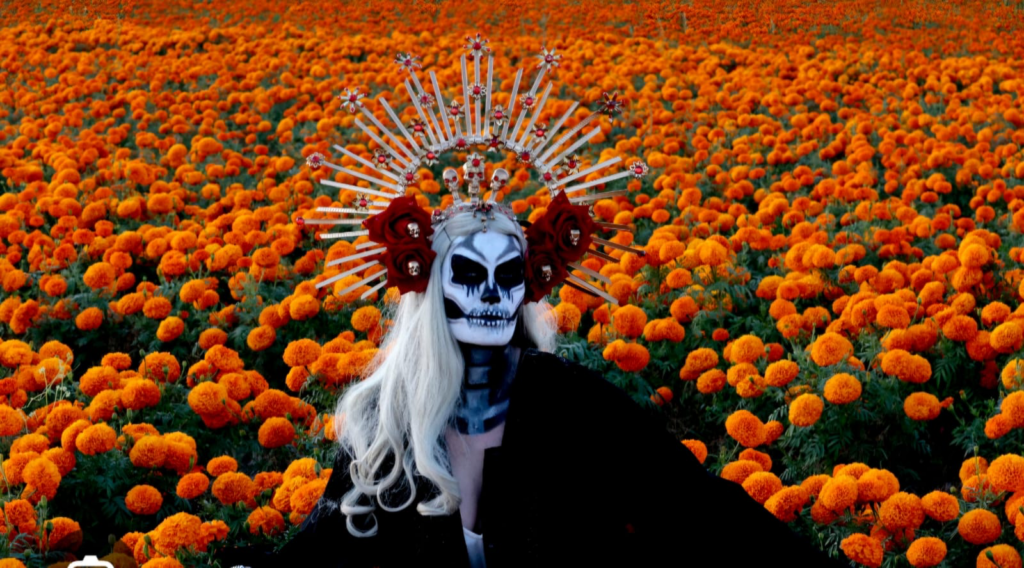
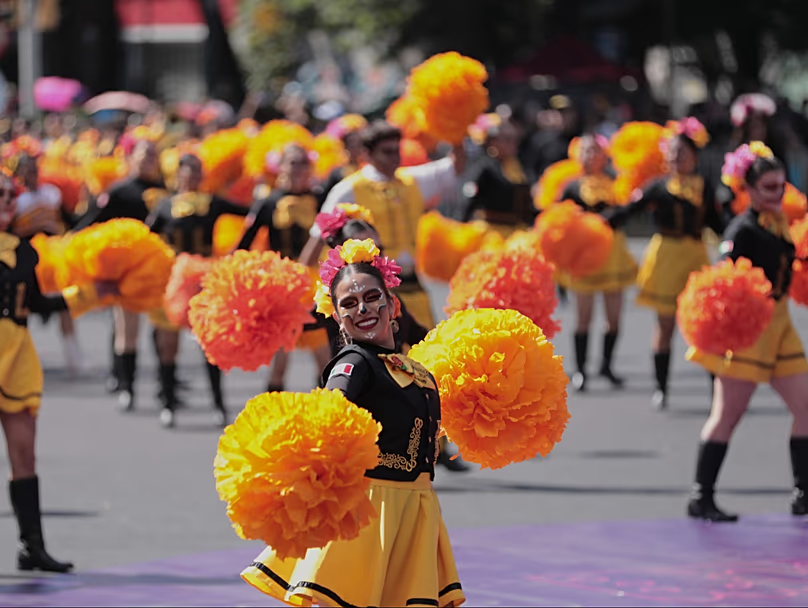
The celebration has also become increasingly visible through large public events. Mexico City’s Day of the Dead parade, held this year on October 31, attracted attention through elaborate costumes, monumental figures and performances inspired by the country’s artistic traditions. Although the celebration itself developed over centuries, the capital’s large-scale parade began in 2016, partly following the international attention generated by the opening sequence of the James Bond film Spectre. This distinction illustrates how contemporary cultural expressions can emerge around longstanding traditions, creating new forms of participation while raising questions about commercialization, tourism and the representation of local customs.
International recognition has contributed significantly to the festival’s global visibility. UNESCO proclaimed Mexico’s Indigenous festivity dedicated to the dead a Masterpiece of the Oral and Intangible Heritage of Humanity in 2003, subsequently incorporating it into the Representative List of the Intangible Cultural Heritage of Humanity in 2008. The designation recognizes the celebration’s importance for maintaining community relationships, transmitting traditional knowledge and honoring ancestors. It also highlights the connection between certain Indigenous observances and the completion of the annual maize-growing cycle, demonstrating how cultural and agricultural practices have historically been intertwined.

Despite its proximity to Halloween, Día de Muertos carries a different historical and cultural significance. Halloween is commonly associated with costumes, supernatural imagery and contemporary entertainment, whereas the Mexican celebration centers on honoring deceased family members through offerings, remembrance and symbolic hospitality. Elements of both festivities may coexist in modern urban environments, but their proximity on the calendar should not obscure their different meanings. For many Mexican families, Día de Muertos is neither an expression of indifference toward death nor exclusively a festive spectacle; it is a deeply personal occasion that allows grief, affection and collective memory to coexist.
The celebration also raises broader questions about cultural preservation in an increasingly globalized society. Tourism, social media and commercial entertainment have expanded international awareness of Día de Muertos, creating economic opportunities for artists, flower growers, artisans and local communities. However, the growing popularity of large public spectacles can sometimes overshadow the intimate ceremonies and Indigenous traditions that sustain its cultural significance. Preserving this heritage therefore requires more than reproducing recognizable images of skulls and marigolds: it involves respecting local knowledge, community participation and the families who continue transmitting the celebration’s meanings.
As Mexico commemorates Día de Muertos in 2026, the tradition remains an enduring expression of the relationship between memory and cultural identity. Its significance does not depend on denying the pain of loss, but on creating opportunities to remember those who have died through shared rituals, familiar objects and the stories that preserve their presence within families. Across generations and regions, the celebration continues evolving while retaining its fundamental purpose: ensuring that loved ones remain part of collective life through remembrance. In that sense, Día de Muertos offers a distinctly Mexican reflection on a universal human experience—the enduring connection between those who are gone and those who continue telling their stories.
Phoenix24: Beyond tradition, the living memory. / Más allá de la tradición, la memoria viva.