

 Phoenix 24
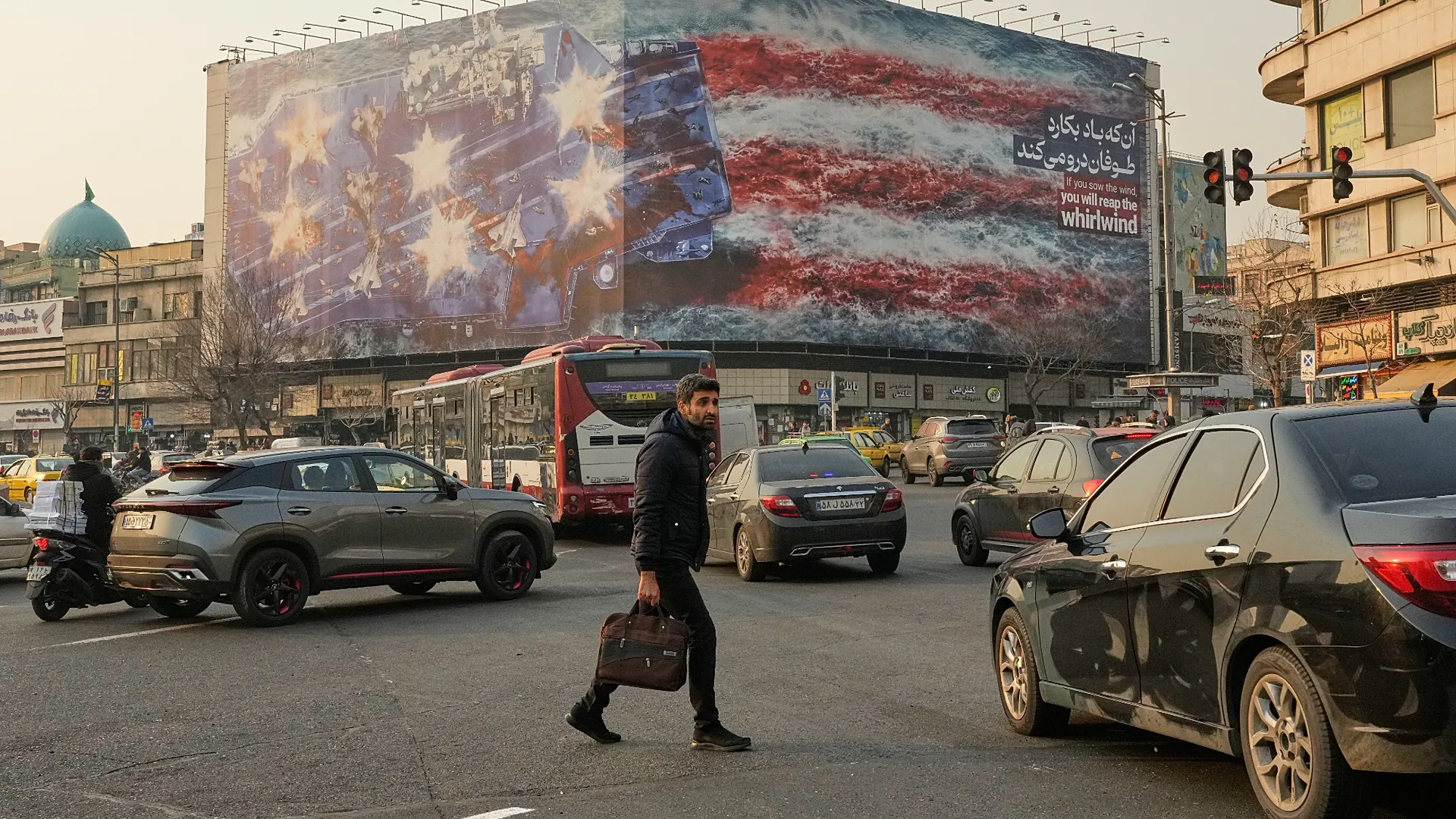
A volatile combination of security incidents and diplomatic signaling has placed Tehran in a moment of strategic uncertainty.
Tehran, February 1, 2026. Iran is navigating one of its most delicate geopolitical moments in recent years as unexplained explosions, intensified diplomatic activity, and uncertainty surrounding the next move by U.S. President Donald Trump converge into a high risk environment. While no direct military confrontation has been officially confirmed, the accumulation of signals from both Tehran and Washington has heightened global attention, reinforcing the sense that the current phase could evolve rapidly toward either negotiation or escalation.
Reports of explosions in several parts of the country have unsettled public opinion and raised questions about internal security. Iranian authorities have minimized the incidents, attributing them to technical malfunctions or non hostile causes, and have firmly denied any foreign military involvement. Despite these reassurances, the timing of the events has intensified speculation both domestically and abroad, particularly given the broader context of regional tension and international pressure.
Beyond the immediate security concerns, Iran’s leadership has adopted a dual posture that blends diplomatic openness with strategic deterrence. Officials have reiterated that dialogue with the United States remains possible, but only if negotiations are conducted without threats or coercion. Tehran has emphasized that any diplomatic engagement must be grounded in mutual respect, reflecting long standing grievances over sanctions, military pressure, and what Iranian leaders describe as inconsistent commitments from Washington.
At the same time, Iranian officials have made clear that the country will not hesitate to respond if it perceives an attack on its sovereignty. This messaging is intended to deter military action while preserving room for diplomacy, a balancing act that has characterized Iran’s foreign policy during periods of heightened tension. Analysts note that this approach seeks to project resilience without closing the door to negotiations that could ease economic and political isolation.
From the U.S. perspective, the situation has been shaped by a strategy that combines pressure with ambiguity. The deployment of American military assets in the region serves as a visible reminder of Washington’s capacity to act, even as the White House continues to frame diplomacy as the preferred outcome. President Trump has reiterated calls for renewed negotiations over Iran’s nuclear activities and missile capabilities, while maintaining a tone that leaves uncertainty over whether economic pressure or military deterrence will dominate U.S. policy in the coming weeks.
This uncertainty has become a defining feature of the current standoff. Supporters of a hard line approach argue that sustained pressure is necessary to force concessions, while advocates of diplomacy warn that miscalculation could trigger a wider conflict with severe regional consequences. The absence of clear signals regarding Washington’s next steps has contributed to an atmosphere of strategic suspense, with allies and adversaries alike attempting to interpret shifts in rhetoric and posture.
Regional actors have expressed growing concern about the potential fallout of escalation. Neighboring countries and international partners have urged restraint, emphasizing that conflict between Iran and the United States would have far reaching implications for regional stability, energy markets, and global security. Diplomatic efforts by third parties continue behind the scenes, reflecting a shared interest in preventing confrontation while navigating competing alliances and strategic interests.
Inside Iran, the convergence of security incidents, diplomatic maneuvering, and external pressure has created an atmosphere of vigilance and anticipation. Public discourse reflects a mix of defiance and anxiety, as citizens weigh the costs of prolonged tension against the possibility of renewed engagement with the international community. Economic pressures linked to sanctions remain a central concern, reinforcing the stakes of any diplomatic breakthrough or breakdown.
Experts observe that the current moment represents a critical inflection point in U.S. Iran relations. Decisions made in the near term could either reopen channels for negotiation or harden positions on both sides, reducing room for compromise. In this context, even symbolic gestures or rhetorical shifts carry significant weight, shaping perceptions and influencing strategic calculations.
As Tehran and Washington maneuver through this uncertain phase, the situation illustrates how modern geopolitical crises often unfold not through overt confrontation, but through layered signals, calculated ambiguity, and the constant risk of misinterpretation. The coming days may clarify whether diplomacy can regain momentum or whether the cycle of pressure and response will intensify further.
Detrás de cada dato, hay una intención. Detrás de cada silencio, una estructura.