

 Phoenix 24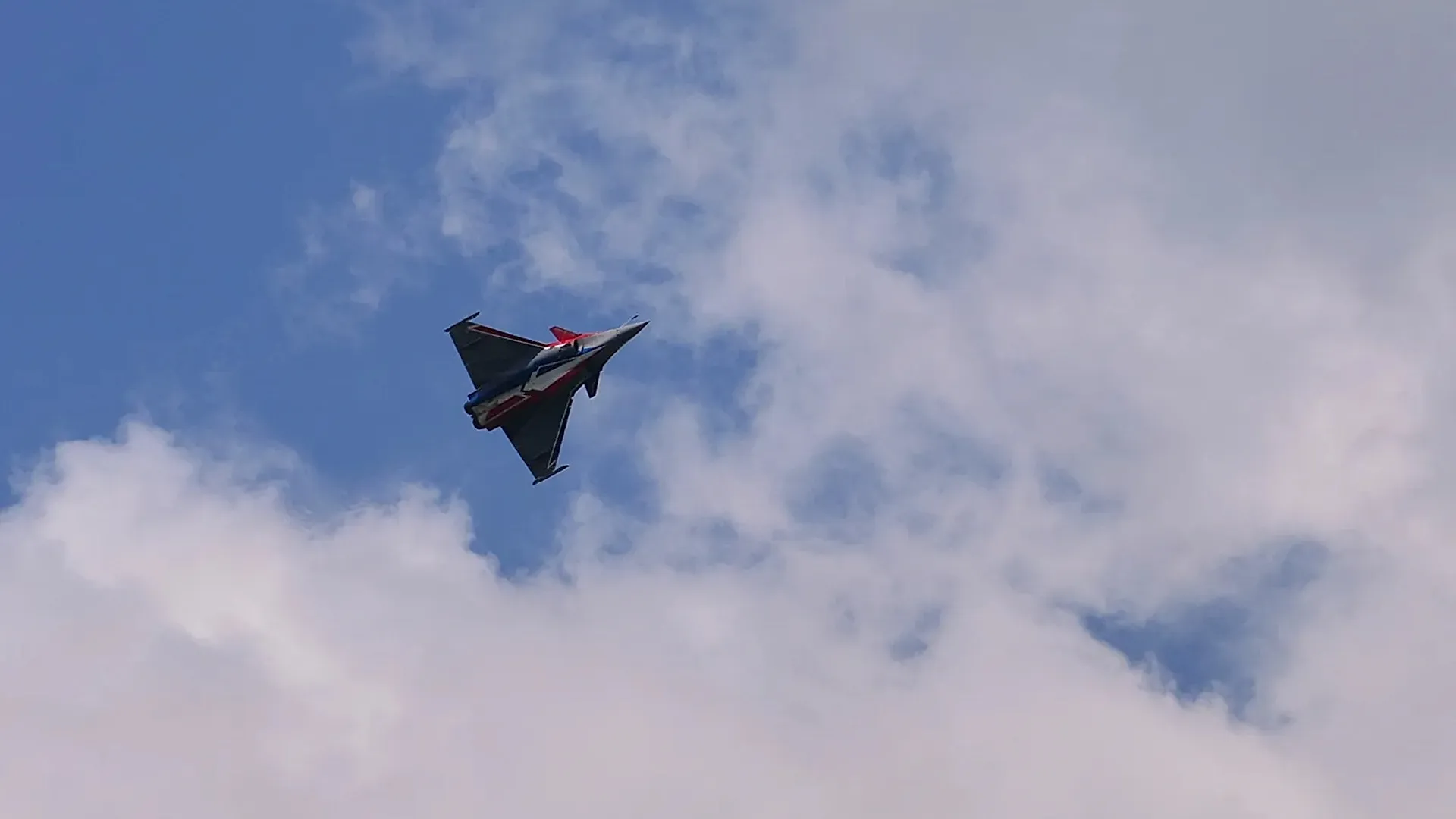
A complex blend of technology, training and coordination underpins France’s strategy to protect its skies.
Paris, January 30, 2026. The French Army is advancing a multi-layered air defense strategy designed to detect, deter and, if necessary, respond to aerial threats ranging from missiles to hostile aircraft, reflecting growing concern in Europe about strategic vulnerabilities and the need for robust homeland protection. At the core of this effort is integration between advanced radar networks, mobile missile systems, aerial interceptors and command centers that operate in real time to identify potential threats as early as possible. These elements work in concert within a national architecture that emphasizes both territorial sovereignty and coordinated response with allied forces.
France’s defensive posture begins with a broad surveillance network that covers domestic airspace and extends into shared European skies through cooperation with NATO partners. High-resolution radar installations monitor for anomalous signatures at long range, while airborne early warning aircraft provide mobile detection capability above cloud cover and terrain obstacles. This layered approach allows military planners to track objects that emerge from different vectors, reducing the risk of surprise attacks and providing commanders with time to assess and respond to evolving situations.
Mobile surface-to-air missile batteries complement this aerial picture by offering flexibility and resilience. These systems can be repositioned based on evolving threat assessments, protecting strategic urban centers, military bases and key infrastructure. Training exercises emphasize rapid deployment and interoperability, ensuring that units can move seamlessly between defensive postures and that data flows smoothly between sensors and shooters. This mobility reflects a recognition that static defenses alone are insufficient in a dynamic security environment where threats may come from unpredictable angles.
Personnel training is central to the effectiveness of France’s air defense. Soldiers and officers undergo rigorous preparation in target identification, radar interpretation, command and control protocols, and electronic warfare countermeasures. Simulation environments are used to replicate hostile scenarios, forcing units to practice decision making under stress and to coordinate closely with allied forces. These exercises are often conducted in multinational settings, reinforcing interoperability with forces from countries that share air defense responsibilities and threats.
Command centers act as the nerve centers of France’s air defense posture, processing information from ground sensors, airborne assets and allied networks. Operators in these facilities are trained to prioritize potential threats, distinguish between civilian and military aircraft and to escalate responses in accordance with legal and strategic mandates. Decision making in these centers emphasizes speed, accuracy and compliance with established rules of engagement, recognizing that misidentification or delay can have severe consequences.
Integration with NATO’s collective air defense systems further enhances France’s preparedness. Shared data links and coordinated engagement protocols mean that French forces can both contribute to and benefit from a broader regional picture of aerial activity. In practice this means that radar contacts and threat assessments are not confined to national boundaries but are part of a shared operational picture that helps allied nations respond collaboratively to threats. This collective framework helps amplify early warning capacity and ensures that decisions benefit from multiple vantage points and sources of intelligence.
Technological upgrades also play a significant role in maintaining an edge. Modern sensors, artificial intelligence-assisted tracking and networked communications help reduce blind spots and improve reaction times. Research into counter-drone systems, anti-ballistic missile technologies and electronic countermeasures continues to shape procurement and training priorities, reflecting an understanding that future aerial threats will be diverse and may include low-observable platforms or swarming tactics that challenge traditional defenses.
Despite these preparations, military planners acknowledge that no system can guarantee absolute protection. Instead, the emphasis is on resilience and adaptability, ensuring that defensive measures can absorb surprise, respond dynamically and coordinate effectively under the pressure of real-world contingencies. Exercises, evaluations and updates to doctrine occur regularly, driven by lessons learned from global conflicts, shifts in technology and changes in geopolitical dynamics that influence the character of potential aerial threats.
For France and its European partners, maintaining readiness in the face of evolving aerial dangers involves constant vigilance, investment in capability and sustained cooperation with allies whose security interests are intertwined. This effort reflects a broader recognition of how airspace control and homeland defense are integral to national sovereignty and regional stability.
Behind every defensive posture lies a strategy of anticipation, integration and disciplined preparation that defines how a nation protects its skies and its people.