

 Phoenix 24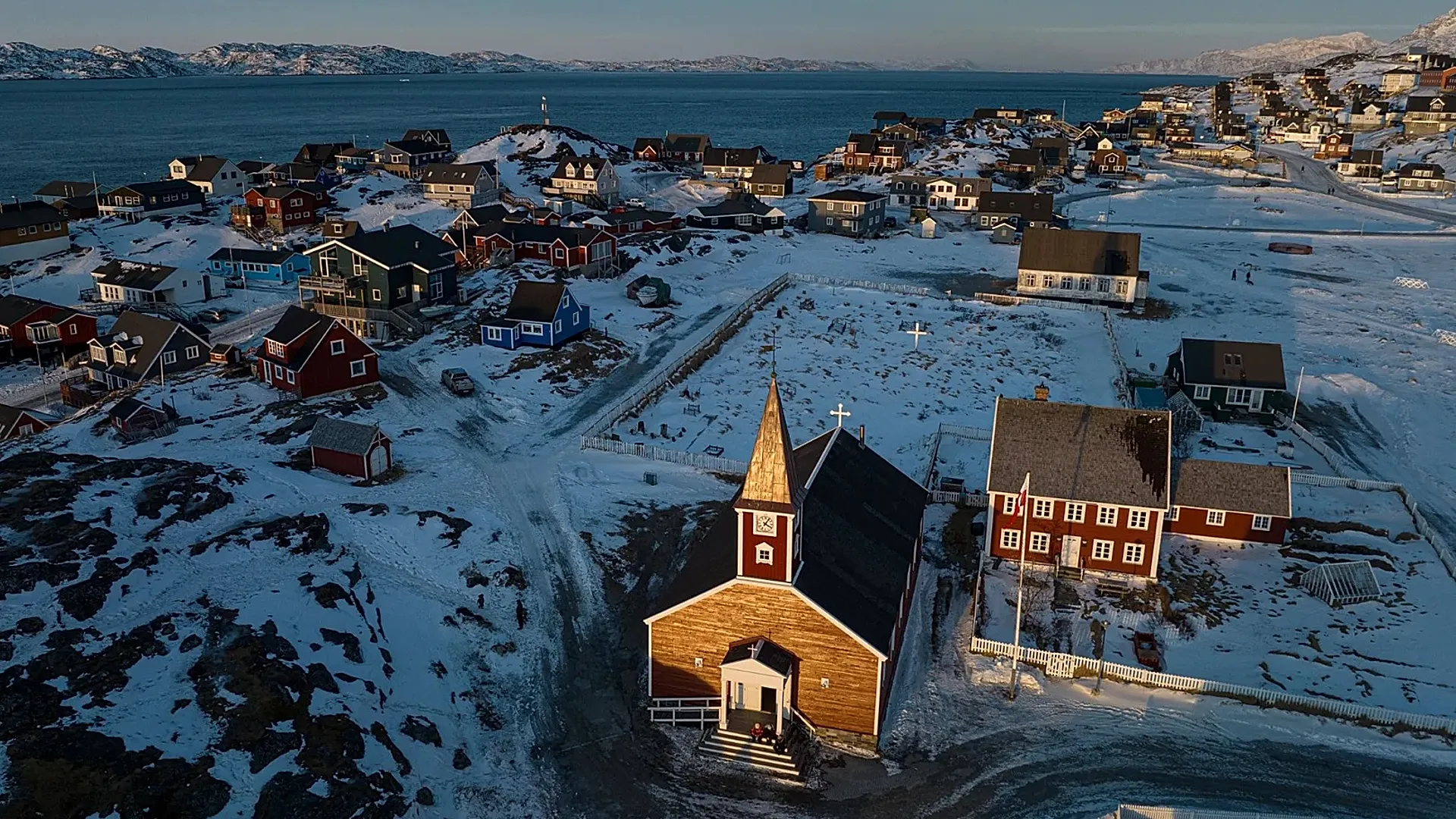
Greenland has become a mirror reflecting Europe’s struggle for autonomy in a shifting global order.
The Hague, January 30, 2026. A leading Dutch candidate for prime minister has placed Europe’s strategic posture at the center of the political debate, linking transatlantic tensions and renewed interest in Greenland to a broader call for European responsibility and cohesion. The remarks come amid growing unease in European capitals over statements and positions associated with former U.S. President Donald Trump, whose past and potential future interest in Greenland continues to reverberate across diplomatic and security circles.
The Arctic territory of Greenland, an autonomous region within the Kingdom of Denmark, has emerged as a focal point of geopolitical competition due to its strategic location, natural resources and military relevance. For European leaders, renewed attention from Washington has underscored a longstanding vulnerability: the continent’s reliance on external powers for security guarantees and strategic direction. The Dutch prime ministerial candidate framed the situation as a warning that Europe must strengthen its own capacity to act, rather than react, when global power dynamics shift.
According to the candidate, European unity must extend beyond economic coordination and enter the realm of security, foreign policy and strategic foresight. While reaffirming the importance of transatlantic alliances, he argued that Europe cannot afford to be perceived as passive or dependent when its territorial integrity and political values are indirectly challenged. Greenland, in this context, has become less a territorial issue and more a symbol of Europe’s unresolved debate about sovereignty and influence.
The discussion has also highlighted the position of Greenland itself, whose leadership has repeatedly stressed its commitment to democratic principles and its relationship with Denmark, while rejecting external pressure from global powers. European policymakers view this stance as a test case for how the continent supports self determination, indigenous governance and regional stability in an era of intensified great power competition.
The Dutch political intervention reflects a broader continental shift. Across Europe, leaders are reassessing defense cooperation, Arctic policy and strategic autonomy in light of geopolitical uncertainty involving Russia, China and the United States. The Arctic, once considered a peripheral concern, is now seen as a strategic frontier where climate change, security and resource competition intersect.
Domestically, the Netherlands faces its own political challenges, with coalition dynamics and fragmented parliamentary representation shaping the feasibility of bold foreign policy initiatives. Nevertheless, the candidate’s remarks have resonated beyond national borders, positioning the Netherlands as a vocal advocate for a more assertive and coordinated European role on the global stage.
Analysts suggest that the Greenland debate encapsulates a larger question confronting Europe: whether it can translate shared values and economic strength into strategic agency. The outcome of this debate will influence not only Arctic policy, but also Europe’s credibility as a geopolitical actor capable of defending its interests without constant external mediation.
As Europe navigates a world of renewed power rivalry, Greenland stands as both a strategic asset and a reminder of unresolved dependence within the transatlantic relationship.
Behind every territorial debate lies a deeper struggle over autonomy, influence and the architecture of power that shapes the future of nations.