

 Phoenix 24
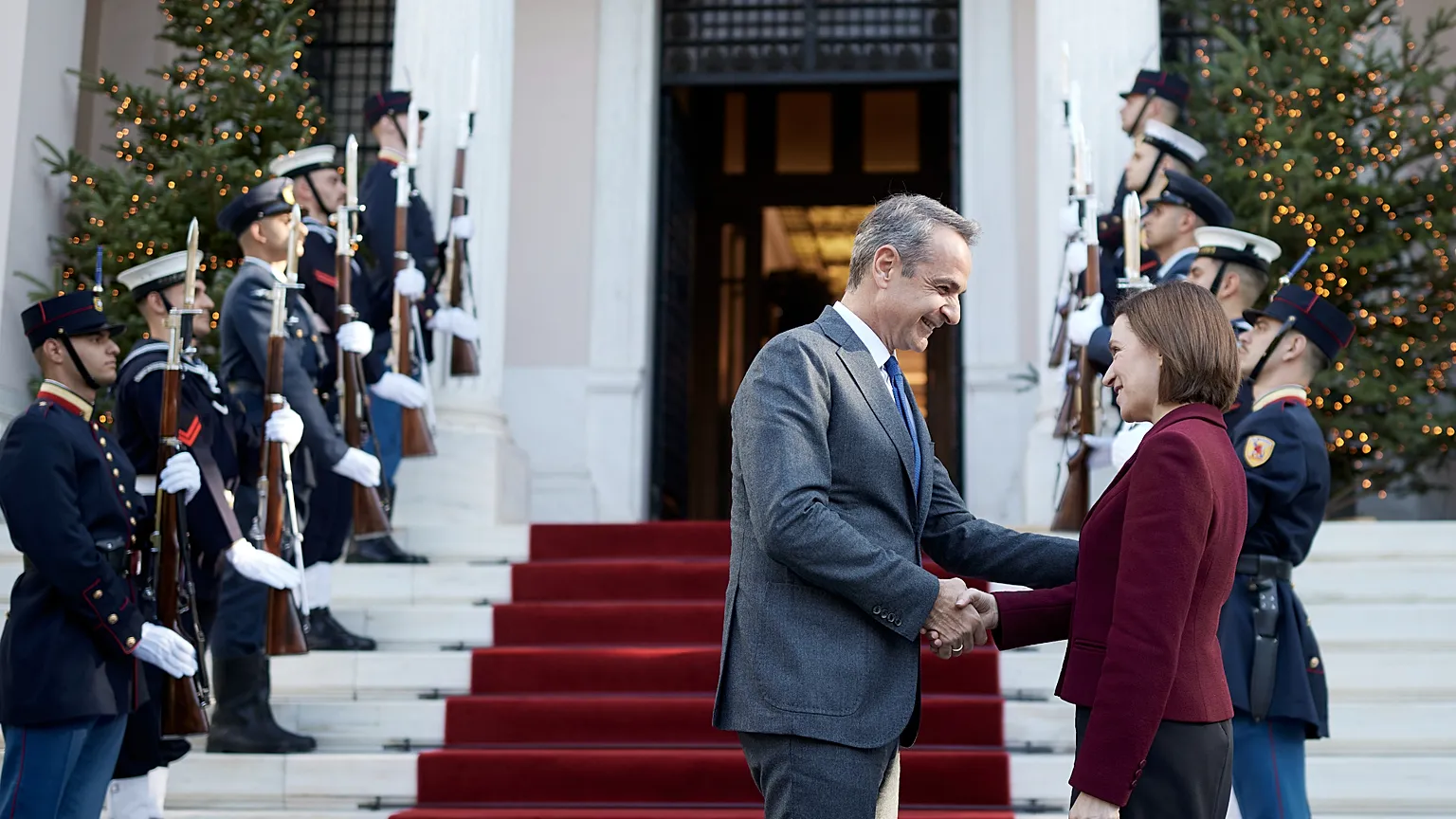
Greece backs Moldova’s European path and reinforces Eastern energy cooperation
Athens positions itself as a key supporter of Moldova’s EU aspirations while championing a broader strategic link in Eastern Europe’s energy landscape.
Athens, December 2025.
Greece has formally reaffirmed its support for Moldova’s European integration ambitions, signaling an enhanced diplomatic and energy cooperation focus that underscores shifting dynamics in Eastern Europe. In statements following bilateral talks with Moldovan leadership, Greek officials emphasized the importance of advancing political and economic ties with Chisinau and highlighted energy infrastructure collaboration as a pillar of sustained regional stability and development.
The renewed Greek backing comes at a time when Moldova, long positioned at the crossroads of East and West, is seeking deeper alignment with European Union norms and institutions. Greek representatives stressed that supporting Moldova’s European path aligns with broader EU objectives of consolidating democratic governance, enhancing economic convergence and reducing geopolitical vulnerabilities. According to Athens, Moldova’s progress on governance and reform will be essential in determining the scope and pace of its integration.
Energy cooperation emerged as a parallel theme in discussions, reflecting concerns over diversification and security of supply in an Eastern European context shaped by recent disruptions and political tensions. Greece, which has invested in strategic energy infrastructure and cross-border interconnectivity, outlined areas of potential collaboration that include electricity market integration, renewable energy projects and technical assistance for grid modernization. Greek officials framed this cooperation as mutually beneficial and as contributing to the resilience of markets that have historically been sensitive to external shocks.
Moldovan leaders welcomed the Greek position, describing it as a concrete expression of shared interests and a signal of solidarity within European circles. For Chisinau, sustained diplomatic support from EU member states such as Greece is seen as a key factor in maintaining momentum toward accession criteria while navigating internal socio-economic challenges. The Moldovan government underscored that energy cooperation, when paired with institutional reforms, can enhance economic performance and strengthen public confidence in the long-term benefits of European integration.
Observers note that Greece’s stance reflects a larger pattern of Eastern Mediterranean and EU actors seeking to play constructive roles in supporting states on Europe’s periphery. By articulating a clear policy framework that links political backing with practical energy collaboration, Athens positions itself as a broker of stability and as a partner willing to invest diplomatic capital in multilateral objectives.
Energy experts emphasize that Moldova’s energy system faces structural challenges, including reliance on external sources and the need for infrastructure upgrades that align with EU standards. Engagement with partners such as Greece can facilitate access to technical expertise, investment channels and regulatory frameworks that accelerate modernization efforts. In the context of broader EU goals for decarbonization and market integration, such cooperation bolsters Moldova’s ability to participate in regional energy networks with greater autonomy and reliability.
The political dimension of Greece’s support also resonates within EU policy circles, where discussions about enlargement, neighborhood relations and geopolitical positioning continue to shape strategic priorities. Backing for Moldova’s European trajectory is interpreted by some analysts as an affirmation of the EU’s normative appeal and as a practical step toward reinforcing unity in the face of external pressures that have tested the coherence of European institutions.
Not all aspects of the integration process are without friction. Implementation of reforms required for closer EU alignment entails adjustments in legal frameworks, economic management and public administration, areas where domestic debates in Moldova remain robust. Greek officials acknowledged these challenges while reiterating that sustained dialogue and technical cooperation are essential to address transitional complexities and to build resilient institutions capable of meeting European benchmarks.
As diplomatic momentum builds, the linkage between political support and energy cooperation highlights a nuanced approach in Greece’s foreign policy toward Eastern Europe. The emphasis on tangible projects alongside aspirational goals reflects a commitment to both strategic stability and to a vision of inclusive European development that extends beyond core member states.
Truth is structure, not noise.
La verdad es estructura, no ruido.