

 Phoenix 24
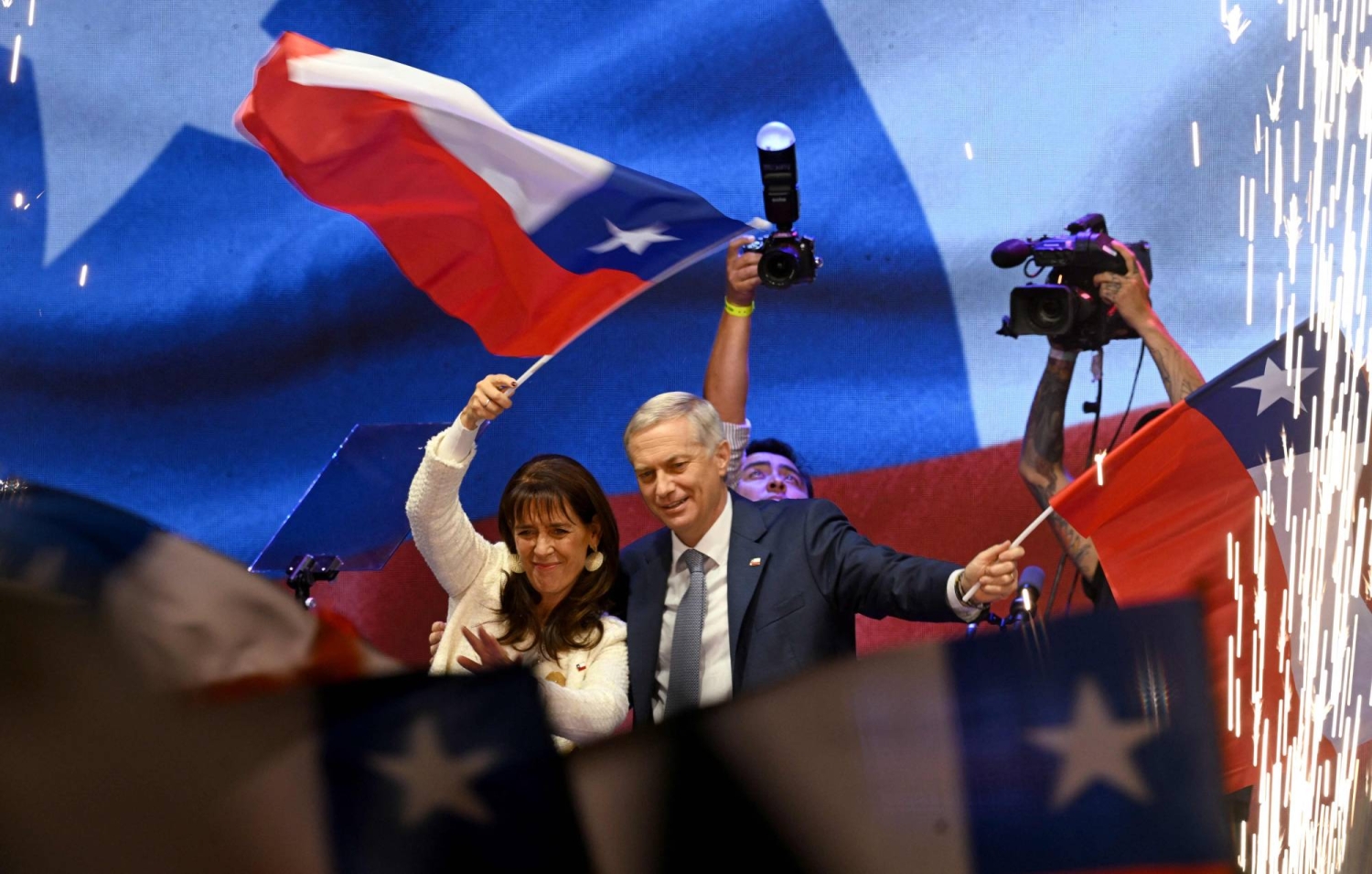
A vote driven by security fears and political fatigue redraws the country’s course.
Santiago, December 2025.
Chile entered a new political chapter after José Antonio Kast won the presidential election, setting the stage for the most conservative administration the country has seen since its return to democracy. The result marks a decisive shift in voter sentiment after years of alternating governments and prolonged institutional tension.
Kast, leader of the Republican Party, prevailed in the runoff election with a clear margin, consolidating support around a campaign centered on public order, crime reduction and stricter migration controls. His message resonated strongly across regions where concerns over insecurity and economic uncertainty had eclipsed debates that dominated earlier electoral cycles.
The victory reflects a broader realignment in Chilean politics. Once defined by consensus-driven coalitions, the electorate has increasingly rewarded candidates offering firm positions and rapid responses to social unease. Kast’s platform emphasized restoring authority, reinforcing borders and reshaping the state’s role in security policy, themes that mobilized voters seeking a break from what they perceive as years of drift.
Celebrations among supporters contrasted with a sober reaction from the defeated camp, which acknowledged the outcome and called for democratic responsibility in the next phase. The election closes a campaign marked by sharp polarization, with security and migration emerging as defining issues in a country long viewed as one of South America’s most stable democracies.
Kast’s ascent also follows a sustained political trajectory. After unsuccessful presidential bids in previous years, his movement expanded its reach through alliances on the right and by capitalizing on dissatisfaction with centrist and left-wing administrations. The result confirms the consolidation of a hard-right force as a central actor in Chile’s political system.
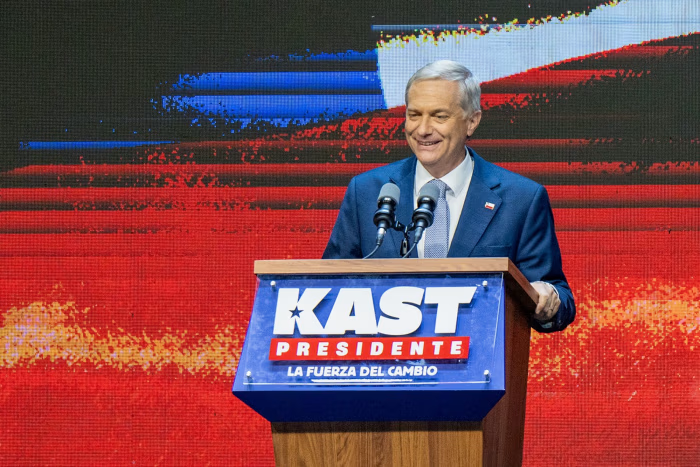
Despite the decisive presidential win, the new administration will face a fragmented Congress, requiring negotiation to advance key legislative priorities. The balance of power in parliament suggests that while the direction of government is set, its execution will depend on coalition-building and tactical compromise.
Internationally, the election positions Chile alongside a regional trend in which conservative leaders have gained ground amid debates over governance, crime and economic recovery. Observers expect policy shifts in domestic security, migration enforcement and economic management, while continuity is anticipated in core democratic institutions.
The transfer of power is scheduled for March 2026, with expectations high among supporters and scrutiny intense among critics. The coming months will test whether the mandate delivered at the ballot box translates into political stability or deepens existing divisions within Chilean society.
Chile’s election has redrawn its political map, signaling that voter priorities have hardened and that demands for order now dominate the national conversation.
Detrás de cada dato, hay una intención. Detrás de cada silencio, una estructura.