

 Phoenix 24
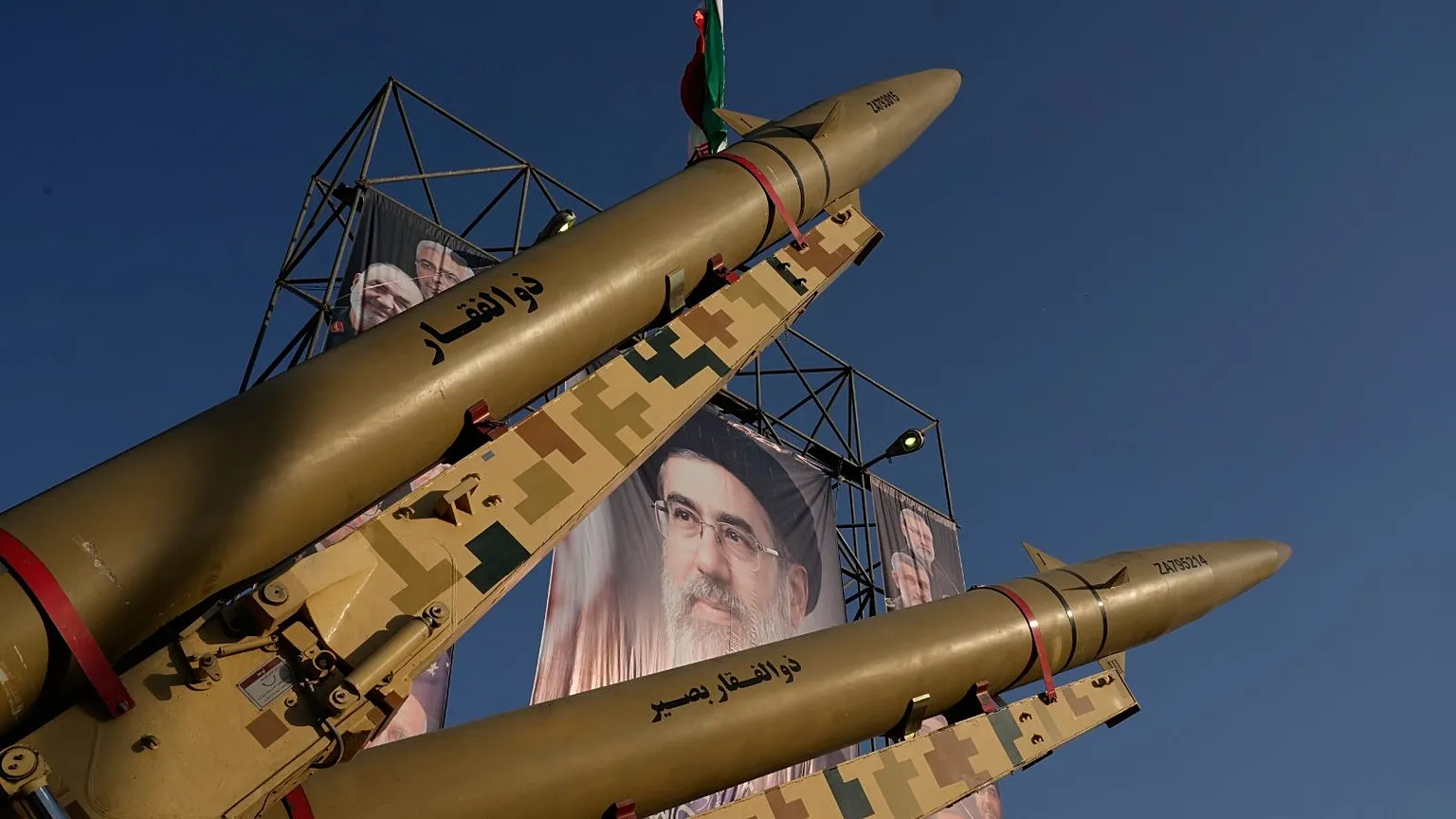
A senior Iranian lawmaker says European military facilities could become targets if Washington uses them to launch attacks against Tehran.
TEHRAN, IRAN — November 4, 2026. Iran has issued a new warning to European countries hosting United States military installations, raising concerns that renewed hostilities between Washington and Tehran could extend beyond the Middle East. Ahmad Bakhshayesh Ardestani, a member of the Iranian Parliament’s National Security Committee, told Euronews that American military bases in countries including Germany and Italy could face missile strikes if they were used to attack Iran. His statements coincide with increasingly forceful warnings from Iranian military institutions and media outlets, adding another dimension to the international security tensions surrounding the conflict.
Ardestani described the threat as a response to possible American military operations launched from European territory. He argued that Tehran would no longer overlook assistance provided by European countries during attacks against Iran, claiming that previous confrontations had demonstrated the consequences of allowing foreign military infrastructure to support operations against the Islamic Republic. The legislator also suggested that Iranian retaliation could extend beyond military installations to other assets belonging to countries assisting Washington. His remarks represent an explicit warning from a parliamentary official, although they do not independently establish that Iran’s political and military leadership has authorized strikes against European targets.
Another member of the parliamentary committee, Fada Hossein Maleki, reinforced the warning by claiming that Tehran had developed a different approach to any renewed confrontation. He suggested that the country’s response could surprise both American and European governments, without providing operational details. Such statements contribute to Iran’s broader deterrence messaging, in which the possibility of retaliation is presented as a means of discouraging further military intervention. However, the absence of publicly verifiable information about specific preparations makes it impossible to determine whether the rhetoric reflects an imminent operational decision or an attempt to influence diplomatic calculations.
The Islamic Revolutionary Guard Corps (IRGC) adopted similarly forceful language on Wednesday, promising an effective response without geographical restrictions to threats against Iran. Its statement coincided with the anniversary of the 1979 seizure of the American Embassy in Tehran, an event that remains central to the Islamic Republic’s political symbolism. According to Iranian reporting, the declaration referred to instructions attributed to Supreme Leader Mojtaba Khamenei concerning the expansion of potential military targets. The statement did not publicly identify specific European installations, an important distinction from the countries named by Ardestani.
Germany has become a particular focus of the escalating rhetoric. Ahead of anniversary demonstrations in Tehran, government supporters displayed a threatening banner outside the German Embassy referring to European support for Israel. The message included a warning attributed to Iranian national security official Mohsen Rezaei. The Revolutionary Guard-affiliated Fars news agency identified the participants as student members of the Basij militia at the University of Tehran. Euronews reported that German diplomatic representatives had not provided confirmation or comment concerning the banner’s precise location when the article was published.
Iranian media have also intensified the warnings. The newspaper Kayhan, associated with the country’s political establishment, suggested that potential Iranian targets could extend into the European continent. Separately, Fars reported that German military assets might be considered legitimate targets if Berlin entered direct military confrontation with Tehran. That specific claim could not be independently verified. The distinction between statements made by legislators, military organizations and state-aligned publications remains essential because each carries a different degree of institutional authority.
The threats introduce additional questions for European security policy. Germany and Italy host important American military facilities that support NATO operations, regional logistics and international defense cooperation. Their presence does not mean that host governments automatically authorize every American military action. Decisions involving the use of installations depend on applicable bilateral agreements, national procedures and the circumstances of particular operations. Nevertheless, the possibility that Tehran might target infrastructure located on European territory creates significant diplomatic and defense concerns, especially where civilian populations live near military installations.
Any actual attack would also raise serious questions under international law. The legality of military action depends on factors including the prohibition on the use of force, the rules governing self-defense, the existence of an armed attack and the principles of distinction and proportionality. Hosting a foreign military installation does not automatically make every surrounding facility or civilian asset a lawful target. Moreover, an Iranian strike against territory belonging to a NATO member could trigger consultations within the alliance, although any collective response would depend on the specific facts and the decisions of its members.
The military warnings are unfolding alongside disputes concerning navigation through the Strait of Hormuz, one of the world’s most strategically important energy corridors. Tehran has linked its position on reopening the maritime passage to demands involving American military activity and economic restrictions. Rezaei indicated that Washington’s response to Iran’s conditions had been insufficient, suggesting that negotiations remained unresolved. The combination of maritime disruption, military warnings and indirect diplomacy illustrates how security developments in the Persian Gulf can affect European governments and international economic interests.
The latest statements should not be interpreted as confirmation that Iran has decided to attack Europe. Their immediate significance lies in the expansion of publicly stated potential targets and the increasing emphasis Iranian officials place on the role of foreign military infrastructure. European governments must assess those warnings while maintaining diplomatic communication and protecting their security interests. For Washington and Tehran, the challenge remains preventing military deterrence messages from escalating into actions that could widen the conflict.
Iran’s warning demonstrates how a confrontation originating in the Middle East can acquire broader international consequences through military alliances, overseas installations and economic interdependence. Whether the present tensions lead to further confrontation or renewed diplomatic engagement remains uncertain. What is already evident is that the boundaries of the dispute are becoming an increasingly important concern for European security.
Phoenix24: Beyond the threats, the consequences for international security. / Más allá de las amenazas, las consecuencias para la seguridad internacional.