

 Phoenix 24
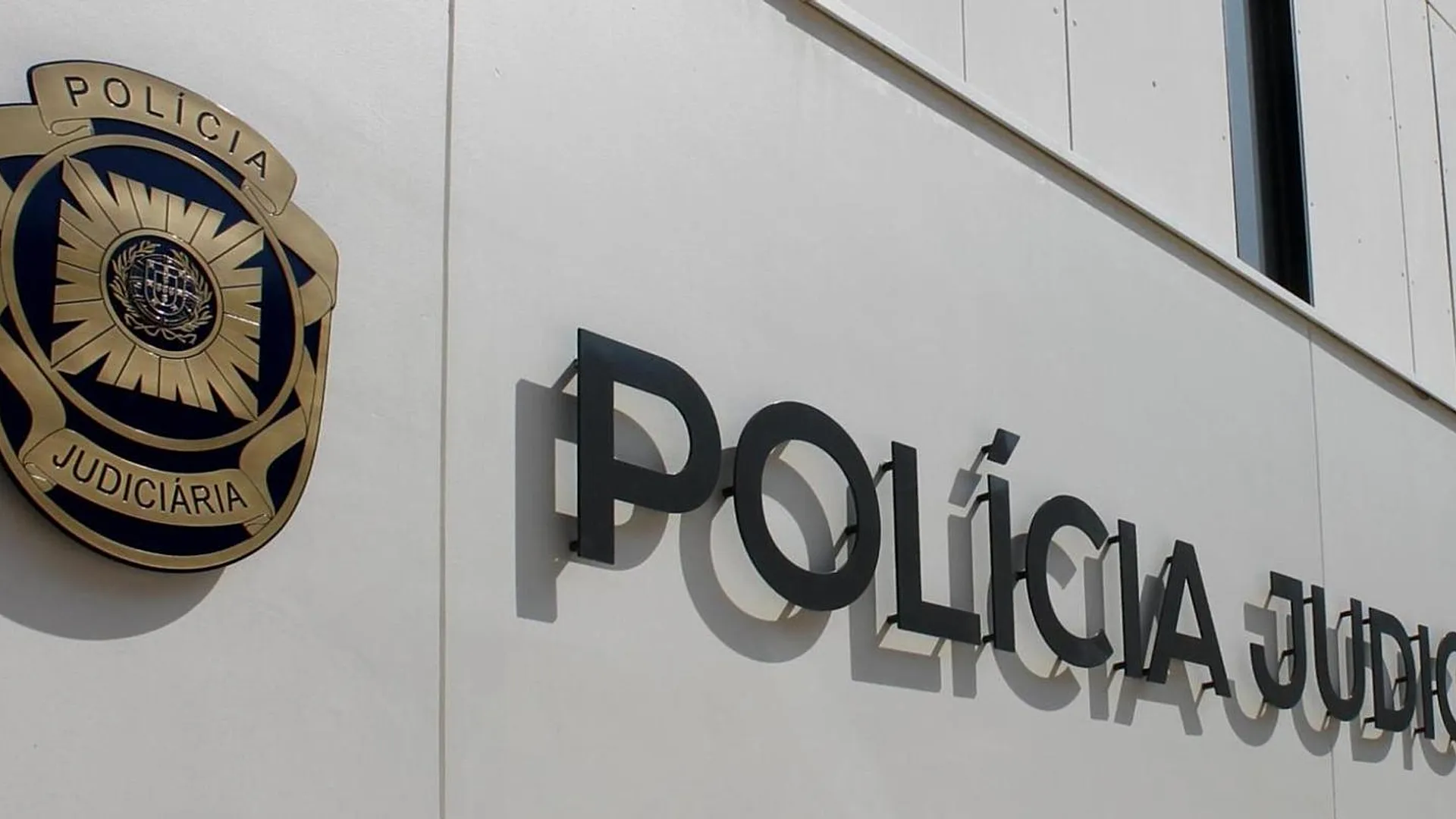
The case has sent shockwaves through Portugal’s political and judicial establishment.
Lisbon, December 2025.
In a development that has shaken Portuguese public life, a former deputy minister of justice has been taken into custody after allegedly confessing to the sexual abuse of minors, according to official statements and court filings. The arrest marks one of the most serious scandals involving a high-level government figure in recent years and has sparked intense debate over institutional accountability, legal protections for vulnerable populations and the integrity of public office.
The individual, who served as deputy justice minister during a previous administration, reportedly made the confession during a police interview following an investigation that began earlier this year. Law enforcement sources say the confession came after prosecutors obtained evidence from digital devices and witness accounts, leading to a formal interrogation that culminated in the suspect’s admission of involvement in abusive conduct. Authorities have stressed that the investigation remains ongoing and that due process will determine the full scope of charges and potential penalties.
Portuguese prosecutors have declined to release detailed specifics of the evidence, citing the need to protect the identity of alleged victims and the integrity of the judicial process. However, court documents made public indicate that multiple incidents are under scrutiny and that several minors are believed to have been affected. Legal experts have noted that cases involving public officials require careful handling to balance transparency, the rights of the accused and the privacy of those who may have suffered harm.
The arrest has triggered swift political reactions. Senior government officials emphasized that no public office should confer impunity and that the rule of law must be upheld regardless of an individual’s previous rank or influence. Leaders from across the political spectrum expressed support for the judicial authorities handling the case and called for measures to ensure that institutions responsible for protecting children and enforcing criminal law operate with heightened vigilance.
Public opinion in Portugal has responded with a mix of shock, outrage and calls for systemic reform. Civil society organizations focused on child protection and human rights intensified their advocacy, urging lawmakers to review existing legal frameworks to strengthen safeguards against abuse and to enhance mechanisms for reporting and intervention. These groups have underscored that the involvement of a former senior official highlights the need for robust oversight of all societal sectors, including government, to prevent exploitation and ensure accountability.
Media commentary has reflected broader societal concerns about the potential erosion of trust in public institutions. Independent analysts argued that beyond the criminal allegations, the symbolic weight of the case underscores the challenges democracies face when confronting misconduct among elite figures. In this frame, the public discourse has incorporated discussions about ethical standards, the importance of impartial legal processes and the role of civil society in holding power to account.
International reactions have been measured, with diplomatic partners noting that such cases fall within the sovereign jurisdiction of Portugal and expressing confidence that the country’s legal system will address the matter thoroughly. Human rights organizations based outside Portugal reiterated universal principles that prioritize the protection of minors and condemn all forms of sexual exploitation.
As legal proceedings move forward, Portuguese courts are expected to consider the full body of evidence gathered by investigators, including testimonies, forensic findings and the suspect’s own statements. Defense lawyers have indicated that their client will challenge the admissibility of certain pieces of evidence and that they will pursue all available legal avenues to ensure a fair trial.
The broader implications of this case are likely to extend into legislative and social policy arenas. Lawmakers may face increased pressure to enact new statutes or amend existing ones to address gaps in the legal apparatus that prosecutes sexual abuse and protects vulnerable populations. At the same time, educators, community leaders and advocacy groups have reaffirmed their commitment to fostering environments where the safety of children is a foremost priority.
In confronting the gravity of these allegations, Portuguese society is navigating a complex interplay between legal accountability, institutional trust and the moral imperatives of safeguarding the young and vulnerable. The outcome of the investigation and subsequent trial will resonate well beyond the courtroom, shaping conversations about power, responsibility and the rule of law in a democratic context.
Every silence speaks.
Cada silencio habla.