

 Phoenix 24
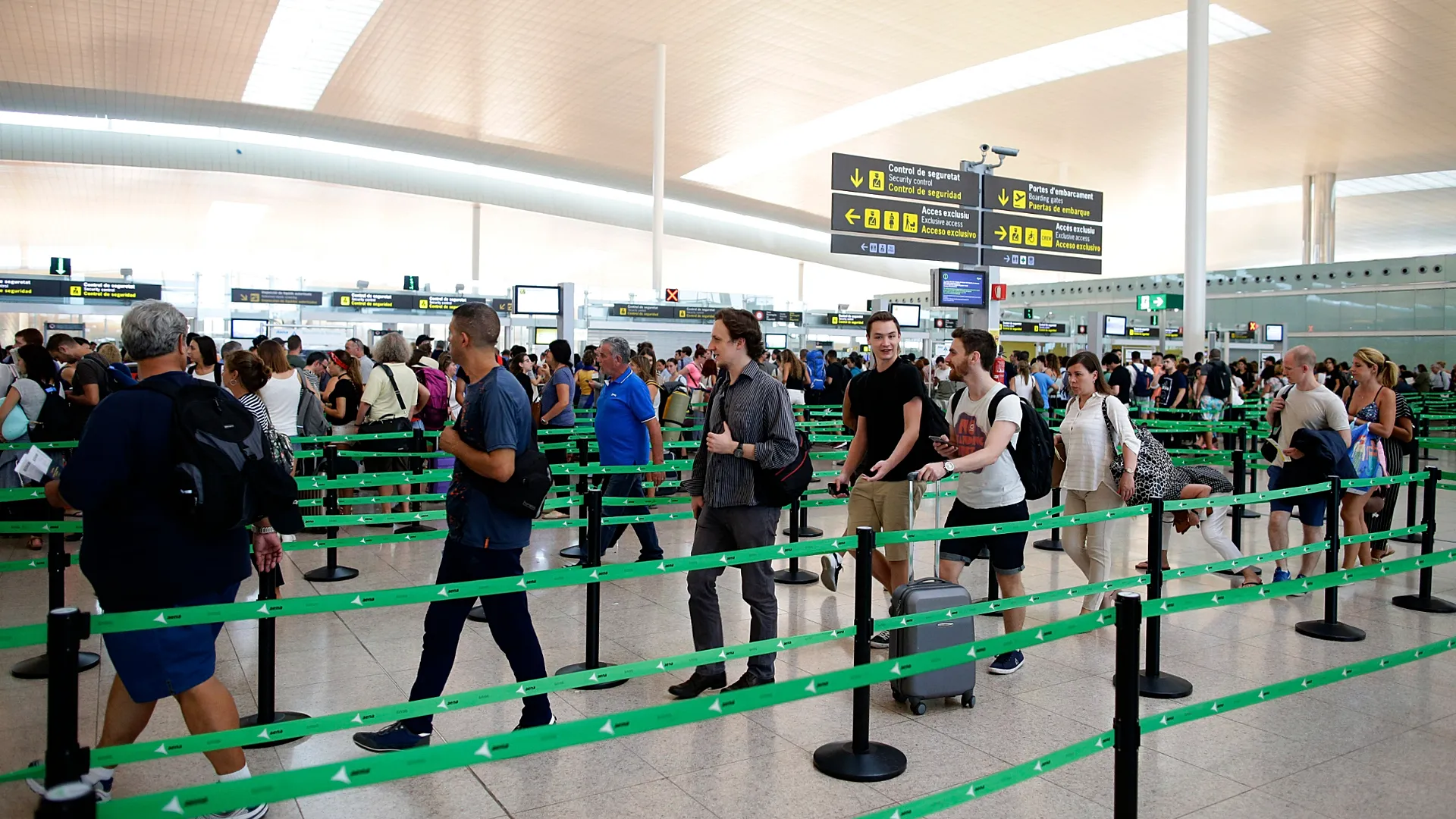
Technology promised speed. Reality delivered queues.
Brussels, December 2025.
Air travel across the European Union is entering a new phase of disruption as passengers encounter growing delays linked to the rollout of the bloc’s Entry/Exit System, a digital border control mechanism that is reshaping how people move through Europe’s airports.
The system, designed to modernize border management, requires non-EU travellers to register biometric data, including fingerprints and facial images, during entry and exit procedures. Its introduction has altered the rhythm of passport control across multiple member states, adding new layers of processing at a time when airports are already operating under pressure from high seasonal demand.
At several major hubs, travellers have faced extended queues at border checkpoints, particularly those registering in the system for the first time. The additional steps, combined with uneven infrastructure readiness, have resulted in longer wait times that ripple through departure halls and connecting flights. In some cases, passengers arriving on time have still been unable to reach onward flights, missing departures despite clearing security and airline check-in procedures without incident.
The impact has been especially visible at airports that function as regional transfer centers, where tight connection windows leave little margin for delays. Travellers moving between long-haul and short-haul routes have reported bottlenecks concentrated at immigration control, turning what were once routine transfers into high-stress races against the clock.
Airports and carriers have acknowledged that the transition period is proving complex. Staffing levels, layout constraints and varying degrees of automation across EU airports have created inconsistent passenger experiences. While some locations have expanded biometric kiosks and added personnel, others continue to rely on temporary setups that struggle to handle surges in passenger volume.
The delays have also exposed gaps in passenger expectations. Many travellers remain unaware of the additional time required for biometric registration and arrive at airports following pre-system travel habits. As a result, queues swell rapidly during peak arrival windows, compounding congestion and increasing the likelihood of missed connections.
Beyond the immediate inconvenience, the situation has raised concerns over passenger costs and accountability. Missed flights linked to border control delays often fall outside standard airline compensation frameworks, leaving travellers responsible for rebooking fees, accommodation and onward travel arrangements. For many, the disruption carries financial consequences that extend well beyond the airport terminal.
The Entry/Exit System represents a significant shift in how the European Union manages its external borders, replacing manual passport stamping with a centralized digital record of entries and exits. Supporters argue that once fully operational, the system will enhance security, improve oversight and streamline travel over the long term. For now, however, its introduction has highlighted the friction that accompanies large-scale technological transitions.
As implementation continues, authorities are urging passengers to adjust their travel routines, allowing extra time for border procedures and preparing for longer waits, particularly during the system’s early stages. Airports are also revising passenger flow strategies, attempting to separate first-time registrants from returning travellers to reduce congestion where possible.
The changes come at a moment when Europe’s aviation sector is still recalibrating after years of disruption, with staffing shortages, infrastructure strain and shifting travel patterns converging in busy terminals. The addition of a new digital border layer has intensified these pressures, turning border control into a focal point of the passenger experience.
For travellers, the message is becoming clear: crossing into the European Union now involves more than a passport check. It requires time, patience and adaptation to a system still finding its operational balance. As digital borders become the norm, the promise of efficiency remains tied to a learning curve that is unfolding in real time.
Detrás de cada dato, hay una intención. Detrás de cada silencio, una estructura.