

 Phoenix 24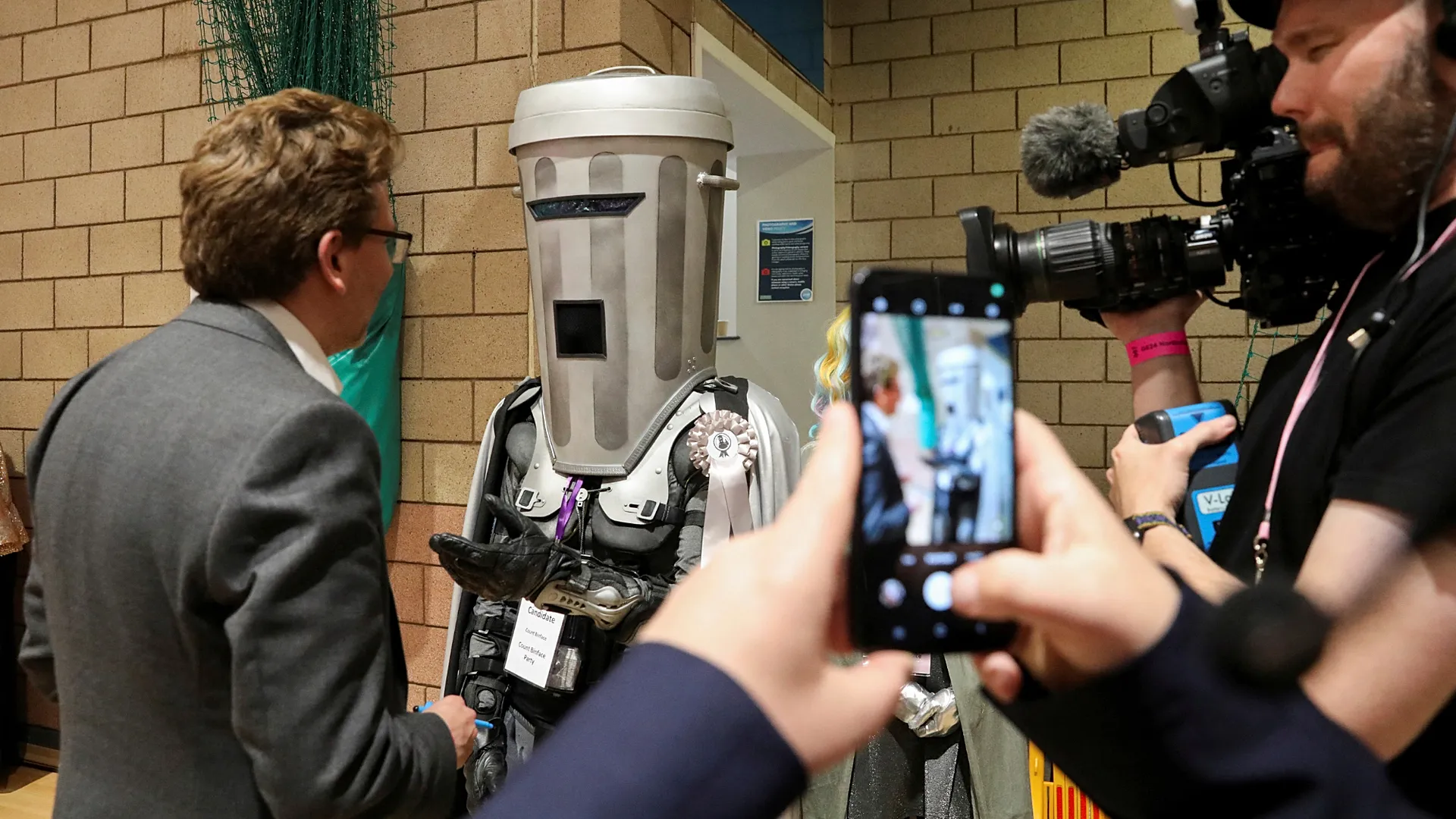
An unprecedented ballot turns scrutiny into political spectacle.
Clacton | July 2026
Nigel Farage will face 33 opponents in a new parliamentary by-election in Clacton, creating what local authorities consider the largest field of candidates ever recorded in a United Kingdom parliamentary contest. According to Euronews, 34 names will appear on the ballot when voters return to the polls in August. The extraordinary election follows Farage’s resignation as a member of Parliament and his immediate decision to seek the seat again.
Farage, leader of the right-wing Reform UK party, originally won Clacton in the 2024 general election with 46.2 percent of the vote. His victory gave him a direct parliamentary platform after several previous unsuccessful attempts to enter the House of Commons. The coastal constituency subsequently became one of the most visible symbols of Reform UK’s growing influence on British politics.
The new election was triggered after Farage stepped down earlier in July amid mounting media pressure and a parliamentary investigation involving an undeclared gift reportedly valued at five million pounds. Farage has repeatedly denied wrongdoing and maintains that voters in Clacton should determine whether he deserves to continue representing them. He has presented the election as a direct challenge to political institutions and critics attempting to remove him from public life.
The decision has drawn sharp criticism from Britain’s largest political parties. Labour, the Conservatives, the Liberal Democrats and the Greens have all chosen not to nominate official candidates, arguing that Farage has unnecessarily forced the constituency into an expensive and theatrical campaign. Labour accused him of attempting to divert attention from the controversy, while Conservative leader Kemi Badenoch said he was avoiding proper scrutiny.
Their absence has opened the contest to an unusually diverse mixture of independent, minor-party and satirical candidates. Twenty of the 34 participants are running without formal party affiliation. Three others represent the Official Monster Raving Loony Party, an organization known for using absurdist campaigns to satirize conventional politics and expose public frustration with the political establishment.
Among the most recognizable challengers is Count Binface, a satirical candidate who campaigns while wearing a black cape and a helmet resembling a waste bin. Despite the comic appearance, his participation reflects a longstanding British tradition in which humorous candidates use elections to question authority and challenge the seriousness of professional political culture. Actor and right-wing activist Laurence Fox is also standing for the Reclaim Party, which he founded and continues to lead.
The unprecedented number of candidates surpasses the previous record believed to have been established in the 2008 Haltemprice and Howden by-election. That contest featured 26 candidates after Conservative lawmaker David Davis resigned and sought re-election in protest against government plans to expand the period during which terrorism suspects could be detained without charge. Clacton’s 34-candidate ballot exceeds that total by eight.
The unusually long list could create logistical complications for election officials and voters. Ballot papers must accommodate every candidate clearly, while electoral workers will need to manage additional administrative requirements involving nominations, campaign agents and vote counting. The crowded field could also fragment the opposition vote, potentially strengthening Farage’s chances of retaining the seat even if his overall support declines.
The financial cost has become another source of controversy. Estimates suggest the by-election could cost taxpayers more than 275,000 pounds. Reform UK offered to pay the expense, but the British government indicated that privately financing an official parliamentary election would be unlawful because electoral costs must come from public funds to protect the independence and impartiality of the process.
For Farage, the contest is both an electoral test and a referendum on his personal credibility. A decisive victory would allow him to argue that Clacton’s voters have rejected the allegations and renewed his democratic mandate. A narrower result, however, could reveal declining confidence among constituents who supported him strongly in 2024.
A defeat would carry even greater consequences. It would remove Reform UK’s most prominent figure from Parliament and weaken the party’s attempt to establish itself as a durable national force capable of challenging both Labour and the Conservatives. It could also encourage critics who argue that Farage’s political reach depends heavily on media visibility rather than institutional strength.
The withdrawal of the traditional parties means the election will not follow the usual structure of British constituency politics. Instead of a conventional competition among established organizations, voters will confront a ballot dominated by independents, protest candidates and unconventional personalities. This may reduce the campaign’s value as a direct measure of national party support, but it will intensify scrutiny of Farage himself.
Clacton therefore enters an unusual political moment in which local voters will determine far more than the identity of their next representative. Their decision will influence the future of Reform UK, the credibility of its leader and the broader debate over political accountability in Britain. What began as a resignation has become an unprecedented electoral spectacle with consequences extending far beyond one coastal constituency.
Phoenix24 | Politics beyond appearances. Política más allá de las apariencias.