

 Phoenix 24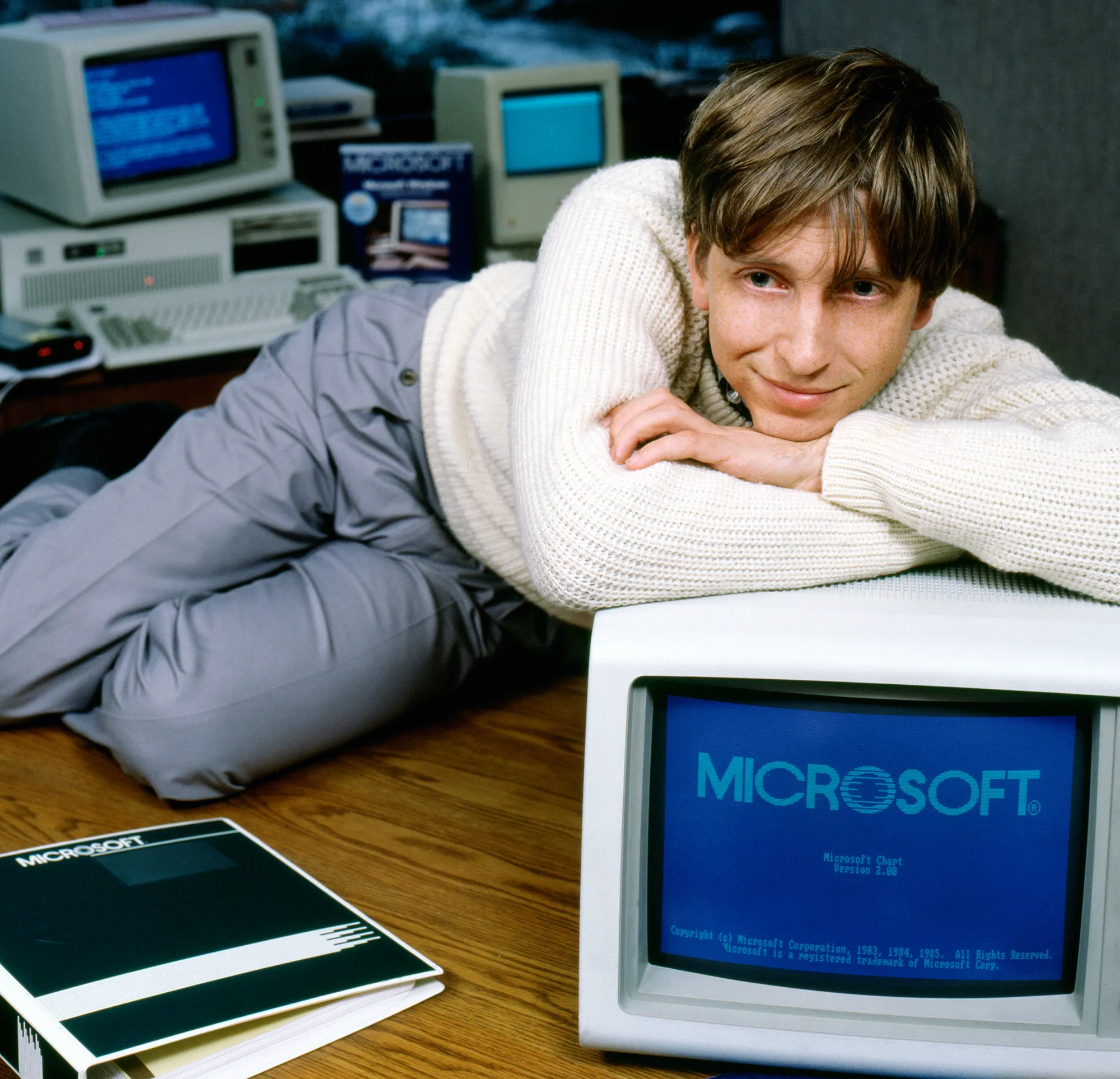
Retro portraits blend digital nostalgia with histories that never happened.
SAN FRANCISCO, CALIFORNIA
A social-media trend is using generative artificial intelligence to portray Elon Musk, Mark Zuckerberg, Sam Altman, Bill Gates and Jeff Bezos as young technology entrepreneurs working inside imagined 1980s laboratories. The synthetic portraits combine cathode-ray monitors, floppy disks, exposed circuit boards, neon lighting and period clothing with faces recognized from the contemporary technology industry.

Users can reproduce the style in image-generating platforms by uploading a clear reference photograph and describing the intended year, clothing, environment, lighting and photographic composition. More consistent results generally come from requesting a specific visual scene rather than relying on broad instructions such as “make this look retro.”

Suggested compositions place Musk inside a space-inspired laboratory, Zuckerberg among beige computers and green-phosphor monitors, Altman beside a fictional artificial-intelligence prototype, Gates in a software office and Bezos in an early home-based logistics operation. Avoiding recognizable logos and extensive written text can reduce distorted lettering and visual inconsistencies.
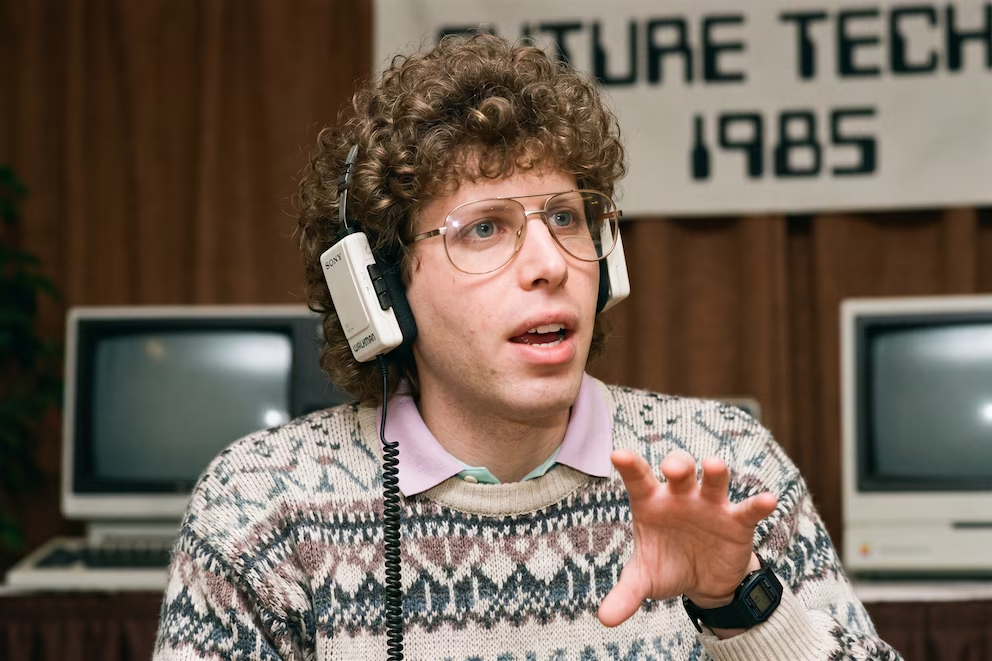
These images are counterfactual, not reconstructed history. Bill Gates was already leading Microsoft during the 1980s, but the other portraits substantially rearrange their biographies. Musk was a teenager by the decade’s end, Bezos was beginning his professional career, and Zuckerberg and Altman were young children. Facebook, Amazon, Tesla and OpenAI did not yet exist in their familiar forms.
The trend demonstrates how generative tools can make alternative histories visually persuasive. Photographic grain, period equipment and carefully reproduced lighting create an appearance of documentary authenticity even when every element has been synthesized. Without appropriate labeling, viewers encountering the images outside their original context could mistake them for genuine archival photographs.

Creators should identify the portraits clearly as AI-generated and avoid presenting invented scenes as evidence of real events. Public figures can be legitimate subjects of satire and creative experimentation, but photorealism increases the responsibility to distinguish imagination from the historical record.
Artificial intelligence can recreate an era, but it cannot rewrite what actually happened.