

 Phoenix 24
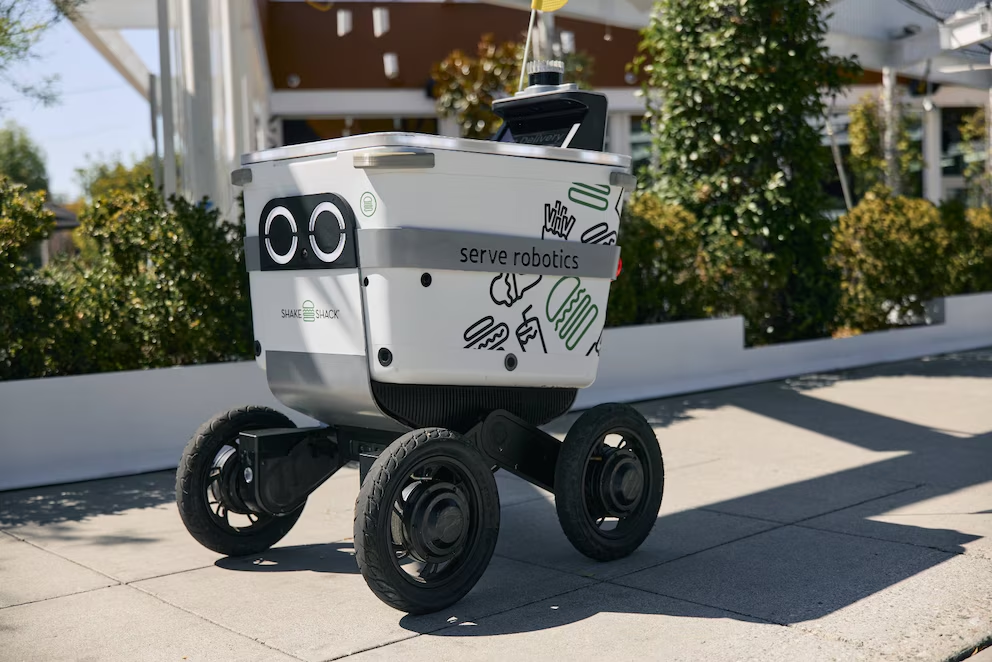
Chicago cases question whether autonomous navigation threatens pedestrian privacy.
CHICAGO
Two companies operating autonomous food delivery robots in Chicago are facing proposed class-action lawsuits alleging that their machines collected sensitive biometric information from customers and pedestrians without consent. The cases against Serve Robotics and Coco Robotics raise a growing legal question: when robots use cameras and sensors to navigate public spaces, how much information about the people around them can they lawfully collect?
The lawsuits were filed on October 9 in Cook County, Illinois, under the state’s Biometric Information Privacy Act (BIPA). The legislation establishes requirements for private companies that collect or possess certain biometric identifiers, including scans of facial or hand geometry.
According to the complaints, delivery robots equipped with cameras and other sensors allegedly recorded measurements of people’s faces and hands as they moved along sidewalks or approached customers to complete deliveries.
The plaintiffs also accuse the companies of retaining information for artificial intelligence development and sharing data with third parties without providing the required disclosures or obtaining written consent.
These allegations have not been established in court, and both companies dispute them.
Serve Robotics acknowledges using cameras and sensors to navigate Chicago sidewalks. However, the company maintains that its systems are not designed to identify individuals or create biometric profiles.

Coco Robotics has similarly denied collecting biometric information in Chicago. The company also disputes allegations about its use of LiDAR, a technology that measures distances using laser pulses, stating that it has never deployed that technology in the city.
Coco says the navigational information it shares is anonymous and intended to improve pedestrian safety. Among its examples is cooperation with BlindSquare, an accessibility application that helps people with visual impairments navigate urban environments.
The legal disagreement centers on a distinction that could become increasingly important as autonomous systems enter public spaces.
A camera can record its surroundings without necessarily performing biometric identification. However, when software extracts facial or hand geometry capable of identifying individuals, additional legal obligations may apply.
The lawsuits argue that the robots cross that boundary. The defendants maintain that their technologies are designed for navigation rather than personal identification.
Illinois law requires covered businesses to provide notice, explain the purposes and retention periods associated with biometric collection, and obtain appropriate written authorization.
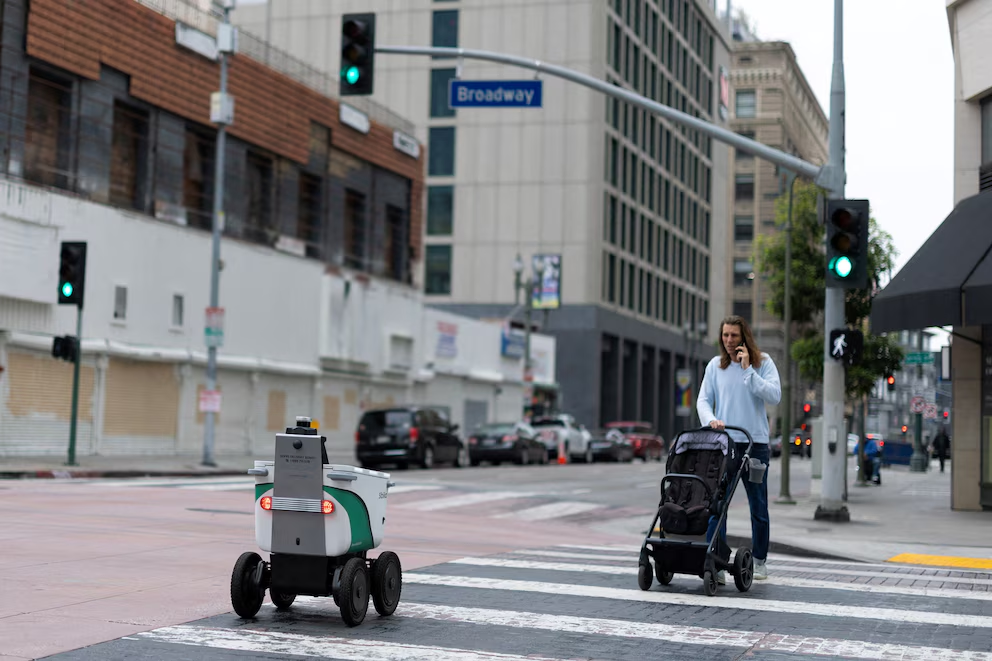
The dispute also extends beyond customers who receive deliveries. Pedestrians encountering robots on public sidewalks may have no commercial relationship with the companies operating them, yet could still enter the range of their sensors.
That possibility raises questions about meaningful consent in shared urban environments.
Autonomous delivery technology offers potential operational advantages, including short-distance transportation and access to locations difficult for conventional vehicles. Its expansion, however, introduces responsibilities involving pedestrian safety, data governance and public accountability.
The Chicago proceedings do not demonstrate that food delivery robots are inherently unlawful or that every navigation system collects biometric identifiers.
They do establish a legal confrontation over how existing privacy protections should apply to increasingly autonomous commercial machines.
The eventual decisions could influence how robotics companies design sensors, document data processing and communicate with the public.
As robots become more common on sidewalks, the challenge is no longer limited to whether they can navigate safely. It also concerns whether people can move through public spaces without becoming identifiable data sources.
Where Innovation Meets Responsibility.