

 Phoenix 24
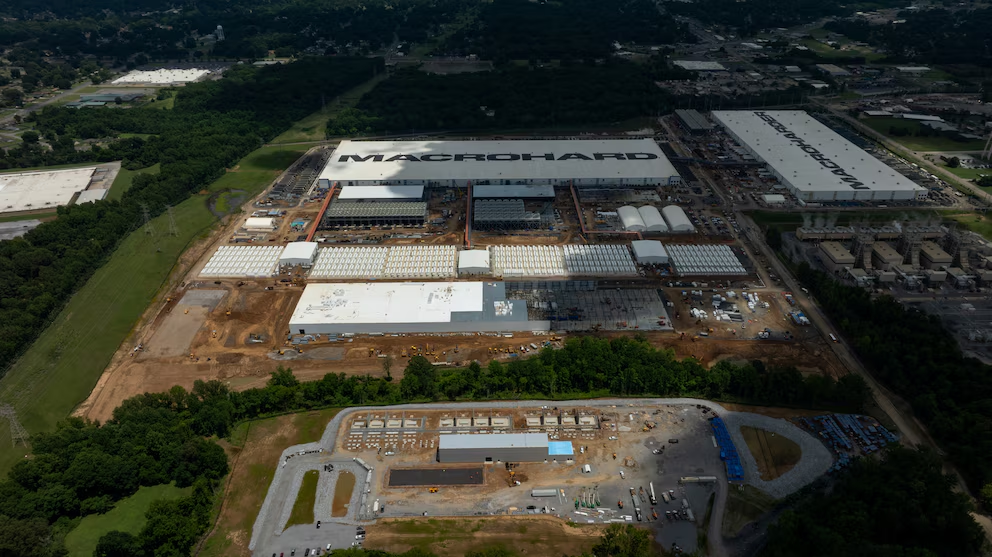
A dispute over 69 gas turbines tests environmental oversight of artificial intelligence infrastructure.
SOUTHAVEN
A federal judge in Mississippi has rejected the Trump administration’s attempt to dismiss an environmental lawsuit against Elon Musk’s artificial intelligence company xAI. The ruling allows civil rights organizations to continue challenging the operation of gas turbines supplying electricity to the company’s Colossus 2 data center, while leaving unresolved whether the facilities violate federal environmental law.
US District Judge Debra Brown issued the decision on October 19, rejecting the Justice Department’s argument that the federal government could unilaterally terminate the case. The court permitted federal intervention but ruled that such participation does not give the Environmental Protection Agency authority to extinguish a citizen lawsuit without an independent legal basis.
The case was filed in April by the National Association for the Advancement of Colored People (NAACP) and its Mississippi conference, represented by Earthjustice and the Southern Environmental Law Center.

The plaintiffs challenge gas-fired electricity generation in Southaven, Mississippi, supporting xAI’s Colossus 2 computing operations near Memphis, Tennessee. Their allegations concern the installation and operation of turbines they say require environmental permits under the Clean Air Act.
The dispute now involves 69 turbines, according to reporting on the facilities. That figure describes the equipment associated with the controversy, not a judicial finding that all 69 units have operated illegally.
Environmental organizations estimate that the installation could produce more than 5,000 tons of nitrogen oxides annually, alongside substantial particulate pollution and formaldehyde emissions. These are projected emissions cited by the plaintiffs, rather than independently established annual measurements.
Such pollutants are associated with respiratory and other health risks, particularly for communities already exposed to industrial activity.
Mississippi environmental authorities previously treated certain trailer-mounted turbines as temporary equipment that did not require the permits sought by the plaintiffs. Regulators maintain that those temporary operations comply with applicable requirements, while some permanent turbines have received authorization.
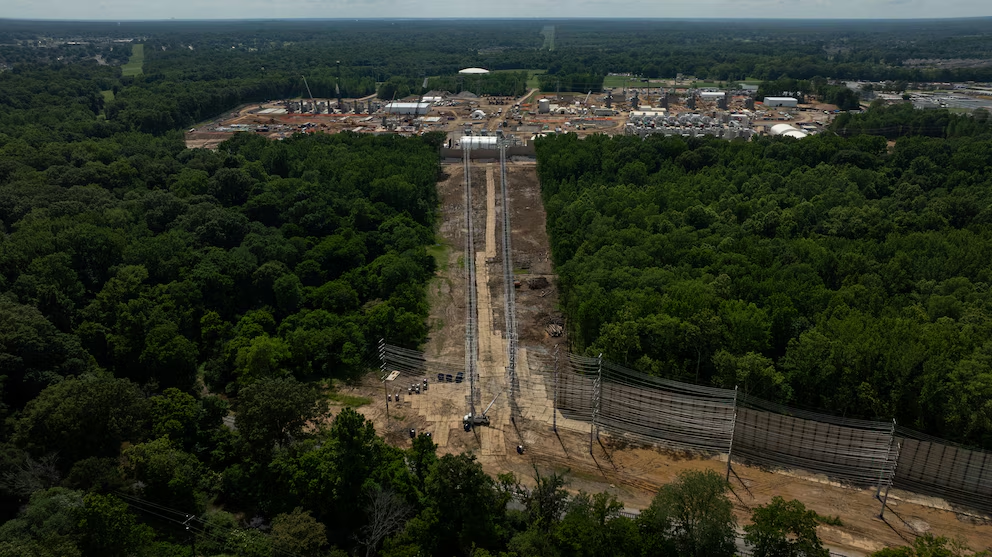
The Justice Department argued that uninterrupted operations were connected to national security interests. The judge’s ruling, however, addressed the government’s authority to dismiss litigation rather than deciding whether the company’s energy infrastructure was lawful.
The distinction is fundamental. xAI has not been found liable for the alleged violations through this decision, and the court has not established that the company’s emissions caused specific illnesses.
The controversy exposes a broader challenge facing artificial intelligence development. Large computing facilities require substantial electricity, and rapid expansion can create pressure to install dedicated generation capacity before conventional infrastructure becomes available.
For nearby communities, the concern extends beyond technological innovation to air quality, noise and public participation in permitting decisions.
The lawsuit also tests the ability of citizens to pursue environmental enforcement when federal authorities decline to bring equivalent proceedings.
With the dismissal request rejected, the underlying allegations can continue through the judicial process.
The outcome could influence how technology companies balance computing demands, energy investment and environmental obligations as AI infrastructure expands across the United States.
Where Innovation Meets Responsibility.