

 Phoenix 24
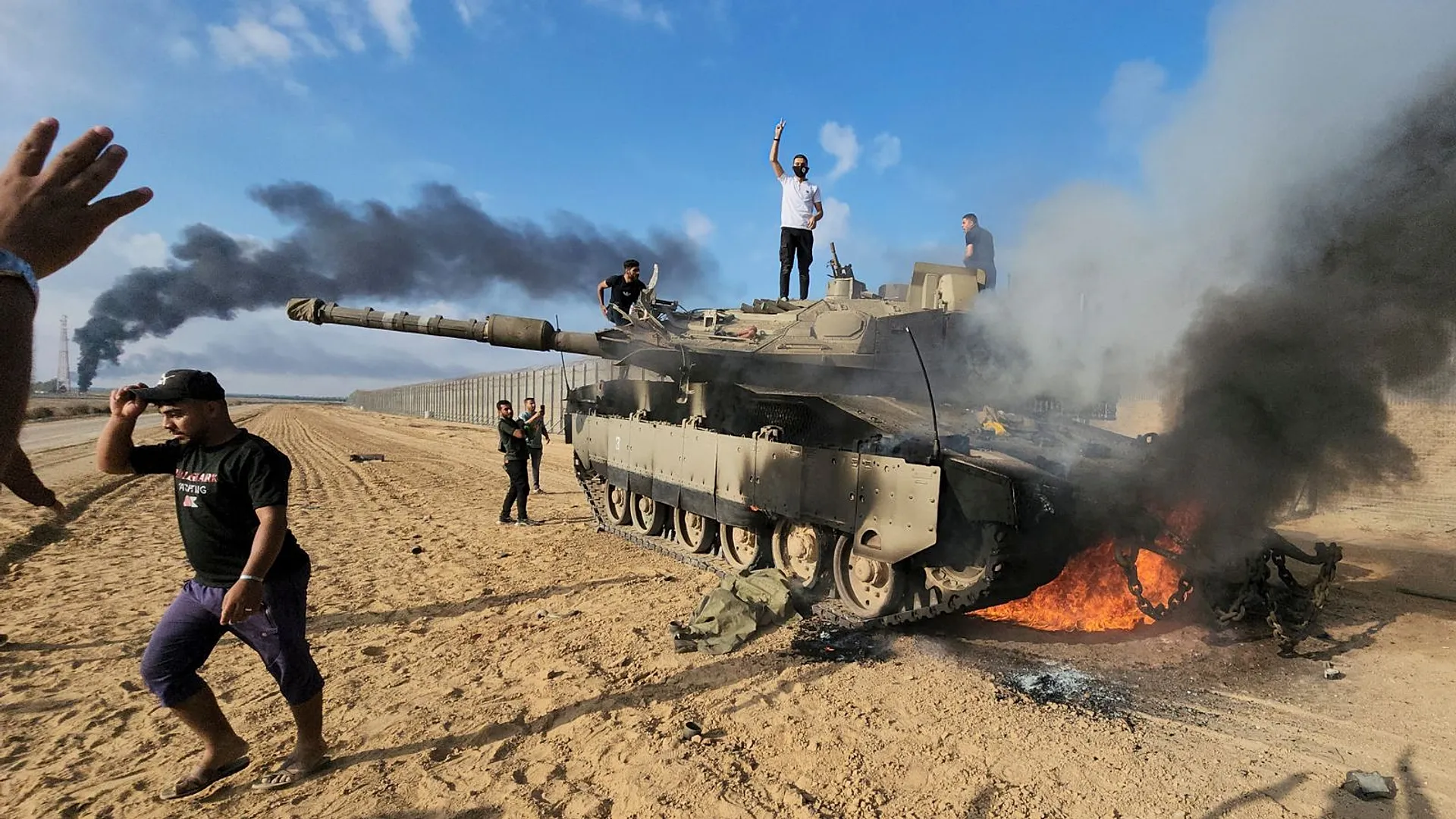
A confidential document, leaked from within the Israeli military, has revealed a campaign marked by missteps and humanitarian devastation, dismantling the narrative of a swift and decisive victory.
Jerusalem, September 2025
A classified report prepared for the Israeli Defense Forces concludes that the military operation codenamed Gideon’s Chariots did not achieve its strategic goals. According to the leak, the mission failed to weaken Hamas as expected and did not secure the release of hostages. The language of the document is blunt, describing how “Israel made every possible mistake.” Senior commanders, including Chief of Staff Eyal Zamir, are cited as acknowledging that the army drifted away from its own doctrine, spreading forces thin and prolonging the conflict instead of applying concentrated power.
The assessment underscores errors in logistics and planning. It notes that the military, rather than strangling Hamas’s capacity, inadvertently facilitated its survival by allowing food, medicine, and fuel to slip through in ways that the group exploited. This mismanagement, the report warns, empowered Hamas to orchestrate an international narrative portraying Israel as deliberately creating famine in Gaza. As a result, the operation that aimed to restore deterrence also eroded Israel’s global legitimacy.
The leak has been received with skepticism by government spokespeople, who insist that Gideon’s Chariots achieved its intended objectives and accuse those who circulated the report of undermining national security. Military censors have opened investigations into how the document was distributed, but within the ranks the findings have already stirred deep unease. Officers quoted by local media privately concede that morale among brigades collapsed during the campaign. Exhaustion, frustration, and doubt began to surface among soldiers who expected a short and decisive fight but were instead dragged into an open-ended urban battle.
What emerges from the document is not only a military critique but a portrait of political miscalculation. The report describes how leaders underestimated the resilience of Hamas, failed to anticipate the urban warfare challenges of Gaza, and ignored lessons from previous incursions. The intention to project strength turned into a prolonged grind that left infrastructure in ruins and civilians trapped in catastrophic conditions. International observers, including rights groups across Europe and the Middle East, point to tens of thousands of casualties and widespread displacement. These outcomes, combined with the perception of humanitarian collapse, intensified accusations that Israel crossed the line into collective punishment.
For Israel, the implications go beyond tactical debate. The failure to meet objectives in Gaza coincides with growing concern about the army’s readiness for other theaters, including the northern front with Hezbollah. Analysts at think tanks in Washington and London caution that Israel’s operational overstretch could invite regional adversaries to test its defenses. In Tel Aviv, opposition leaders argue that the government must now reckon with the limits of military solutions and consider diplomatic or multilateral alternatives before launching new offensives.
The report also casts doubt on the feasibility of a follow-up campaign known informally as Gideon’s Chariots II, which had been discussed as a push toward Gaza City. Given the failures already documented, such an expansion risks even deeper entanglement, with higher costs in both human and political terms. Some voices within the Israeli establishment argue that without a recalibrated strategy, another operation would compound the failures instead of correcting them.
Meanwhile, the humanitarian toll in Gaza continues to climb. International relief agencies warn that the enclave’s health system is near collapse and that water shortages and food insecurity are reaching irreversible levels. While Israel maintains that humanitarian corridors have been established, aid organizations insist that access remains intermittent and insufficient. The leaked assessment reinforces those claims by acknowledging that supply routes were poorly managed, creating opportunities for Hamas to both resupply and manipulate the optics of suffering.
The credibility of Israel’s defense doctrine, long based on swift and overwhelming force, is under question. Within diplomatic circles at the United Nations, there is growing debate over whether external mediators should intervene more forcefully to contain escalation. European governments, though divided in tone, privately express concern that a drawn-out conflict undermines regional stability. Middle Eastern capitals, from Amman to Cairo, are already recalibrating their policies to avoid being dragged into the spiral of violence.
What the leaked report ultimately reveals is a convergence of military, political, and humanitarian failure. By its own admission, the Israeli establishment faces a crisis of confidence in strategy and leadership. If the lessons are not absorbed, the cycle of escalation may simply repeat itself, deepening the tragedy in Gaza and isolating Israel further on the international stage.
Truth is structure, not noise.
La verdad es estructura, no ruido.