

 Phoenix 24
His sound changed the architecture of modern pop.
London, August 2026
William Orbit, the Grammy-winning British musician and producer whose electronic imagination transformed major recordings by Madonna, Blur and All Saints, has died at the age of 69. His family and friends announced that he died at home on July 23, although the news was made public on August 7. No cause of death was disclosed. Those closest to him asked for privacy while remembering the music, friendship and kindness that defined his life.
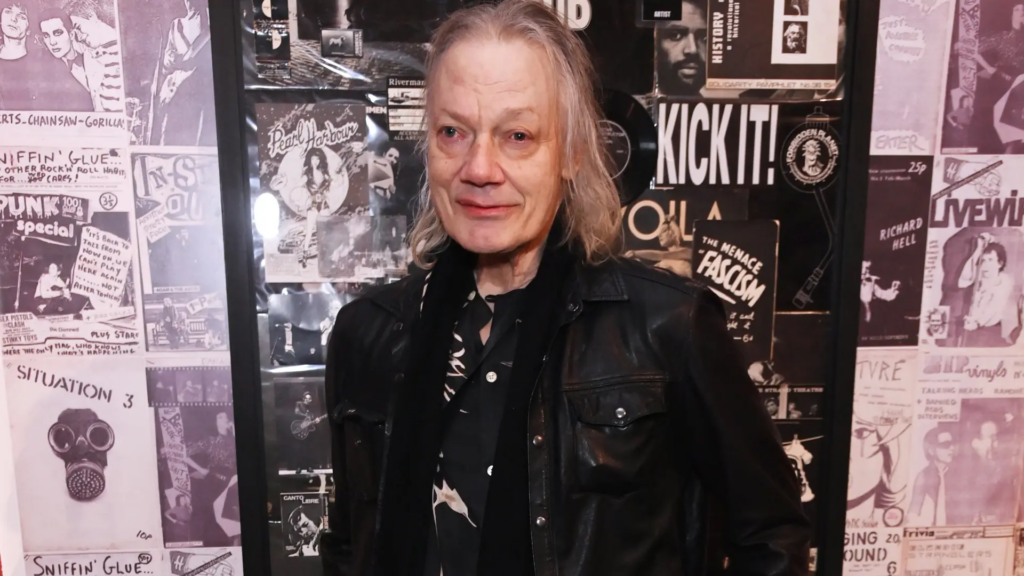
Born William Mark Wainwright in 1956, Orbit emerged from London’s experimental music scene during the early 1980s. He helped form the electronic group Torch Song before establishing himself through projects including Bassomatic and the long-running Strange Cargo series. His early work combined ambient textures, dance rhythms, unusual sampling and studio experimentation. That approach eventually positioned him as one of the producers capable of bringing electronic music into mainstream pop without eliminating its complexity.
Orbit achieved his greatest international recognition through his collaboration with Madonna on Ray of Light, released in 1998. The album merged pop songwriting with trip-hop, techno, jungle, ambient music, acoustic guitars and layered synthesizers. Songs including Frozen, The Power of Goodbye and the title track introduced a more reflective and experimental phase in Madonna’s career. The record became a global commercial success, earned multiple Grammy Awards and is widely regarded as one of the defining pop albums of the late 1990s.

The partnership gave Madonna a new sonic language while demonstrating that electronic production could carry emotional and spiritual depth. Orbit often constructed extended instrumental tracks before working with the singer to reshape them into conventional song structures. Their sessions produced compositions that balanced radio accessibility with an exploratory studio aesthetic. Madonna later described him as an unpredictable creative force who could take an idea in directions she had not initially imagined.
Their collaboration continued beyond Ray of Light. Orbit contributed to Beautiful Stranger, the song recorded for the second Austin Powers film, and later worked on several tracks for Madonna’s album Music. He returned to collaborate with her during the development of MDNA more than a decade later. Although their professional relationship changed over time, the work they created together remained central to both of their careers.
Orbit also helped Blur move into a more experimental and emotionally exposed phase with the 1999 album 13. His production supported the group’s transition away from the polished Britpop sound that had defined much of its earlier success. The album included Tender and Coffee and TV, combining distorted guitars, fragmented electronics and unconventional arrangements. It became one of the most distinctive records in Blur’s catalogue and demonstrated Orbit’s ability to work beyond dance-oriented pop.
His influence was equally visible in two chart-topping singles by the British group All Saints. Pure Shores, recorded for the soundtrack of The Beach, fused soft vocal harmonies with atmospheric electronics and became one of the group’s most recognizable songs. Orbit also produced Black Coffee, another British number-one single built around restrained rhythms and shifting textures. Both recordings reflected his talent for creating spacious productions that remained immediate and commercially accessible.
His collaborations extended across several generations of popular music. Orbit worked with U2, Pink, Britney Spears, Robbie Williams, Melanie C, No Doubt, Ricky Martin and Beth Orton, among many others. He co-wrote Pink’s Feel Good Time with Beck and produced U2 recordings including Electrical Storm. Rather than applying one formula to every artist, he adapted his electronic vocabulary to different voices, genres and creative identities.
Orbit also maintained a substantial career as a solo musician and composer. His Strange Cargo recordings explored ambient sound, downtempo rhythms and cinematic instrumental forms. Pieces in a Modern Style transformed classical compositions through electronic arrangements and reached number two on the British albums chart. His interpretation of Samuel Barber’s Adagio for Strings became especially influential within electronic and dance music culture.
The producer’s final studio album, The Painter, was released in 2022 and included collaborations with several guest vocalists. The project returned to the atmospheric soundscapes, melodic details and carefully constructed rhythms associated with his earlier work. Even after his most commercially dominant period, Orbit continued experimenting with new production technologies and revisiting unfinished musical ideas. His career remained guided by curiosity rather than by allegiance to a single genre.
Orbit’s legacy can be heard in the way contemporary pop now integrates ambient music, club rhythms and experimental sound design. His productions demonstrated that commercially successful recordings could remain technically adventurous and emotionally unconventional. He helped erase boundaries between electronic music, alternative rock and global pop at a moment when those categories were still treated as separate worlds. The artists he worked with often emerged from his studio sounding recognizable, yet newly transformed.
William Orbit leaves behind a catalogue that spans underground electronic experimentation, international chart success and some of the most influential pop recordings of the past four decades. His work did more than accompany artists at important moments in their careers. It changed how their voices, emotions and ambitions could be translated into sound. The producer behind the console became one of the architects of an era.
La narrativa también es poder. / Narrative is power too.