

 Phoenix 24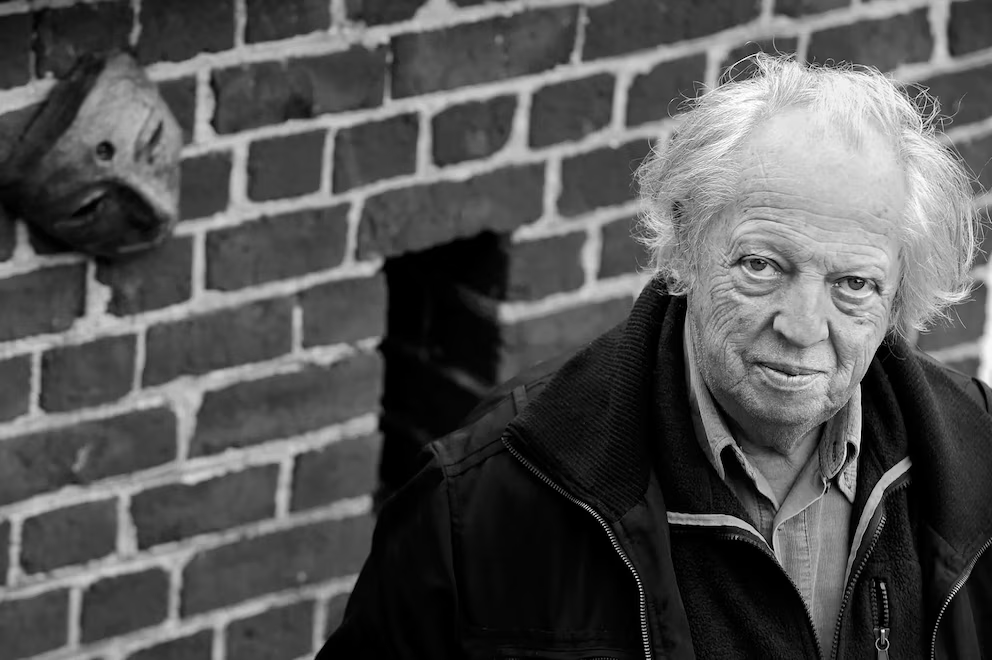
The Belgian writer transformed the revolt against consumer society into a defense of pleasure, individual emancipation and everyday life, leaving an intellectual legacy that extended far beyond the streets of Paris.
BARCELONA, SPAIN | CULTURE & IDEAS | AUGUST 2026
Raoul Vaneigem, the Belgian writer, philosopher and libertarian thinker whose work helped shape the intellectual foundations of the May 1968 uprising in France, has died at the age of 92.
Vaneigem died of natural causes at his home in Barcelona on the night of July 28, according to people close to him. His death removes one of the last major figures associated with the Situationist International, the revolutionary artistic and political movement that challenged capitalism, consumer culture and the organization of everyday life.
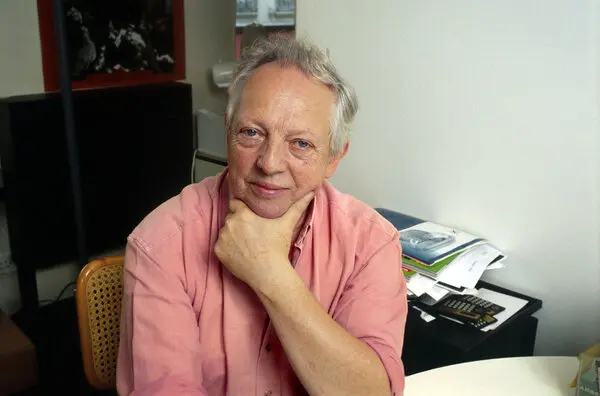
Born on March 21, 1934, in Lessines, a working-class town in Belgium’s Hainaut province, Vaneigem was the son of a railway worker. His upbringing in an industrial environment contributed to his early awareness of class divisions and the limitations imposed by repetitive labor.
After studying Romance philology at the Free University of Brussels, he became a teacher. His encounter with French theorist Guy Debord in 1961 marked a decisive change in his intellectual trajectory and led him to join the Situationist International.
Vaneigem became one of the movement’s principal theorists alongside Debord. While Debord examined how capitalist society transformed social relationships into images and spectacle, Vaneigem concentrated on the intimate experience of alienation: boredom, submission, compulsory labor and the erosion of personal desire.
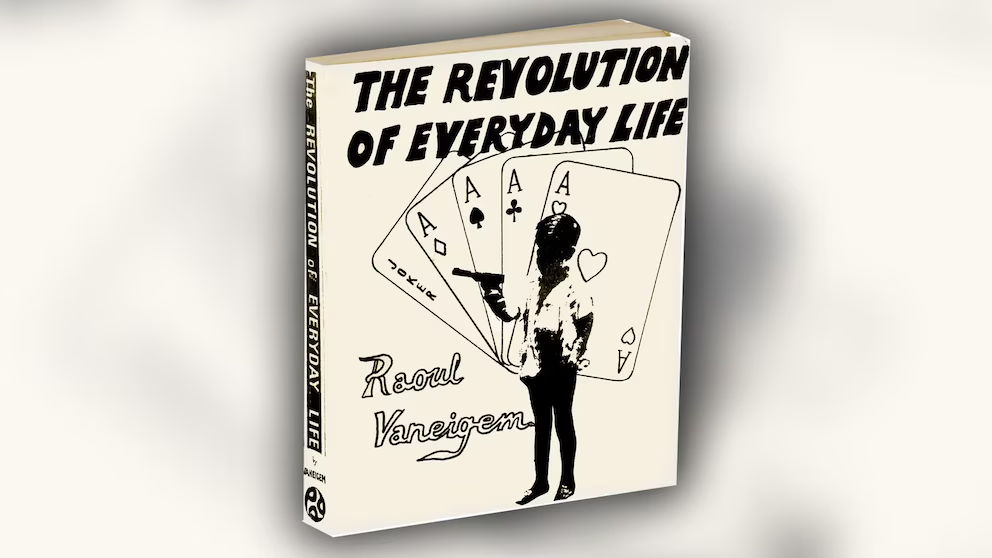
His most influential book, The Revolution of Everyday Life, was published in 1967. The work rejected the idea that material survival alone could constitute a meaningful existence and argued that political emancipation had to transform daily relationships, creativity, love, work and pleasure.
Its language and ideas circulated widely among students and activists in Strasbourg, Nanterre and Paris. When protests, university occupations and a massive general strike erupted in May 1968, several of Vaneigem’s formulations appeared in the slogans that covered the city’s walls.
The book became an informal manifesto for a generation unwilling to choose between deprivation and the monotony of consumer society. It proposed that revolution should not simply replace one government with another but dismantle the social mechanisms that turned human beings into passive workers and consumers.
Vaneigem left the Situationist International in 1970 following internal disputes, yet he continued writing for more than five decades. His later work addressed education, pleasure, religious authority, freedom of expression and experiments in self-government.
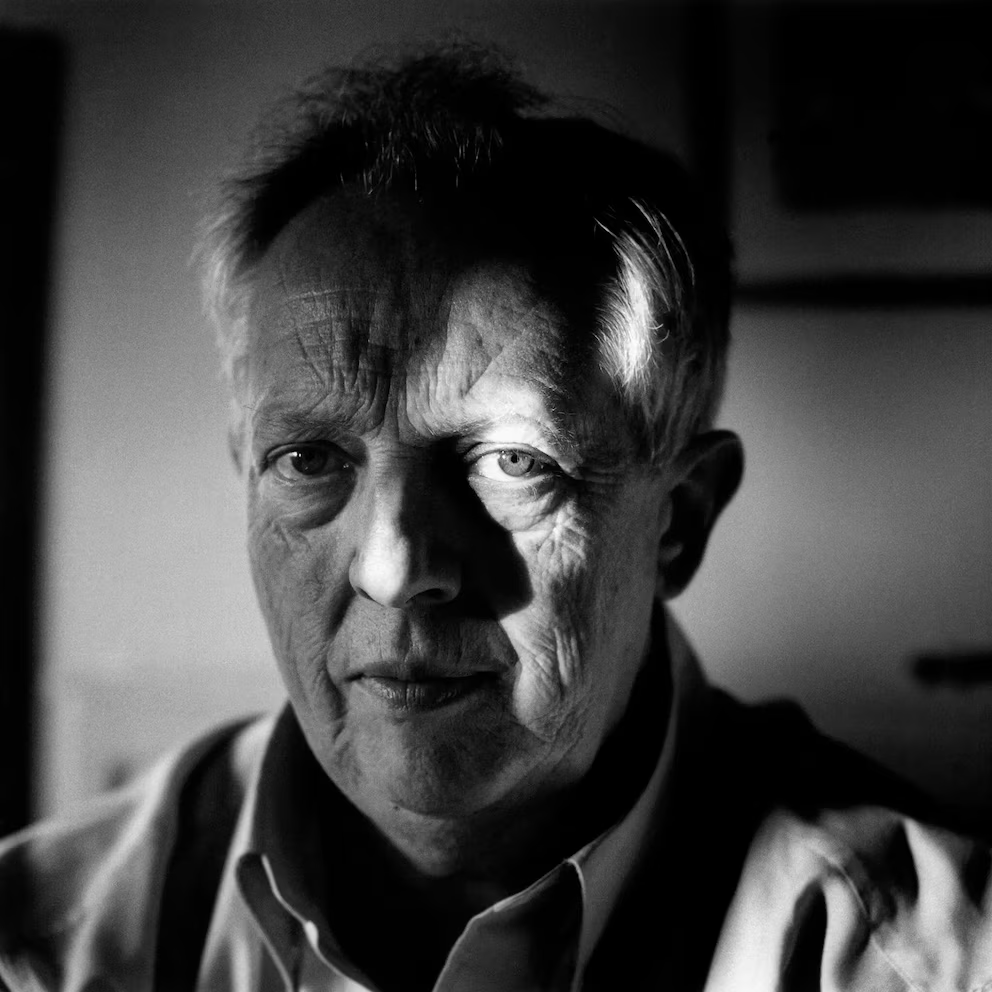
He supported movements ranging from the Zapatistas in Mexico and the Kurdish communal project in Rojava to France’s Yellow Vest protests. Despite his influence, he rejected the role of ideological master and remained suspicious of organizations that converted liberation into hierarchy.
Vaneigem’s ideas have been criticized for their utopianism and their distrust of institutional politics. Nevertheless, his writing continues to influence scholars, artists and activists examining how power operates not only through governments and corporations, but through habits, obligations and expectations embedded in ordinary life.
His central question remains unresolved: whether society can offer more than survival, production and consumption—and whether transforming the world must begin by recovering control over everyday existence.
La narrativa también es poder. / Narrative is power too.