

 Phoenix 24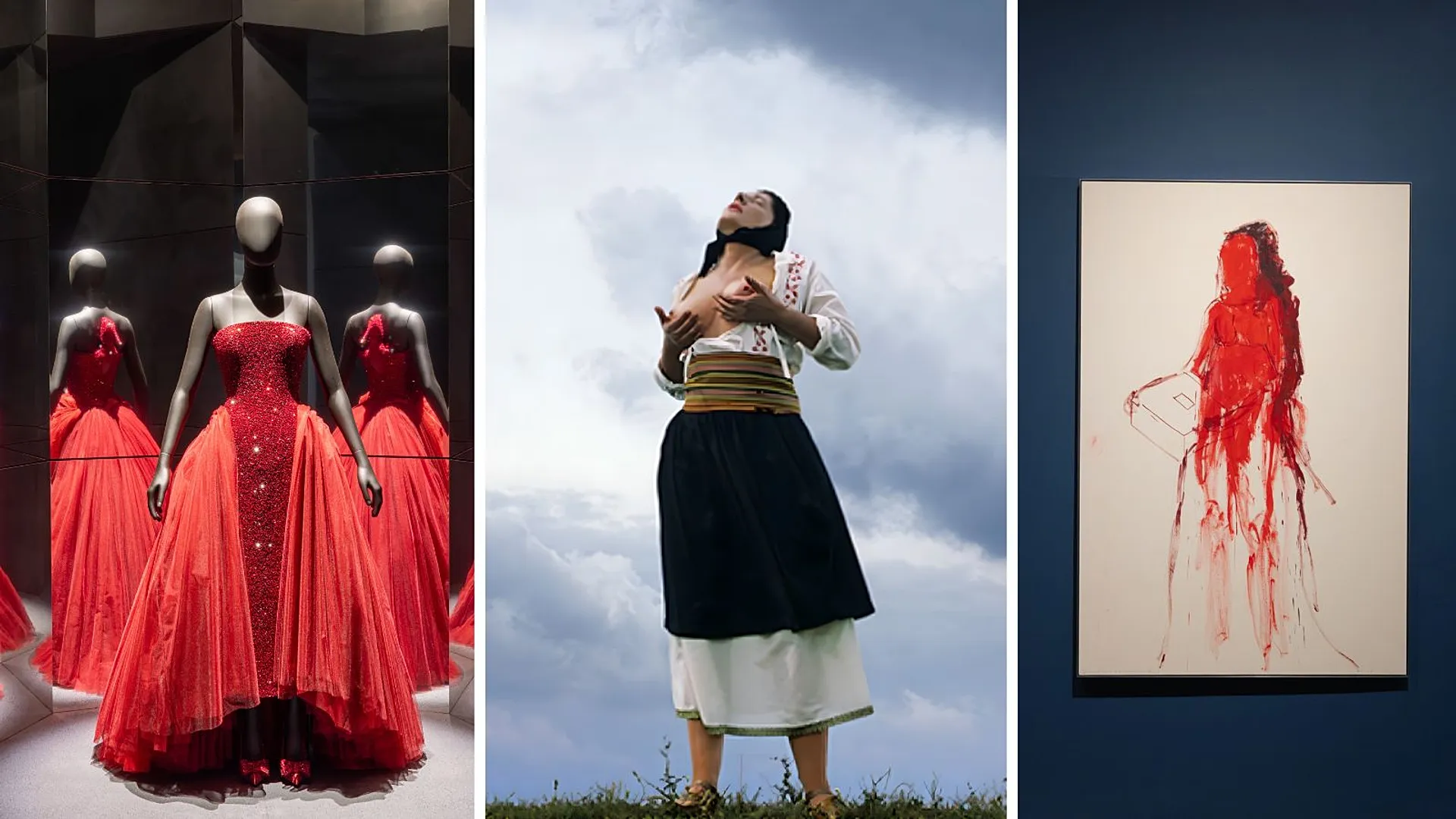
From Schiaparelli’s surrealist fashion to Tracey Emin’s uncompromising autobiography, Europe’s museums are turning the summer of 2026 into a journey through beauty, memory and disruption.
LONDON, UNITED KINGDOM | CULTURE | AUGUST 2026
Europe’s cultural calendar is offering an unusually diverse collection of exhibitions this summer, moving between fashion, painting, sculpture, performance and intensely personal installations.
At London’s Victoria and Albert Museum, Schiaparelli: Fashion Becomes Art explores how Italian designer Elsa Schiaparelli erased the boundary between clothing and surrealism. The first major British exhibition devoted to the fashion house brings together approximately 400 objects spanning its origins in the 1920s through Daniel Roseberry’s contemporary designs.
Among its most recognizable pieces is the 1937 Lobster Dress, created in collaboration with Salvador Dalí and famously worn by Wallis Simpson. The exhibition also features the Skeleton and Tears dresses, Jean Cocteau-inspired garments and recent creations worn by figures including Ariana Grande and Dua Lipa. It remains open until November 8.
Elsewhere in London, Tate Modern presents Tracey Emin: A Second Life, the largest retrospective dedicated to one of Britain’s most provocative contemporary artists.
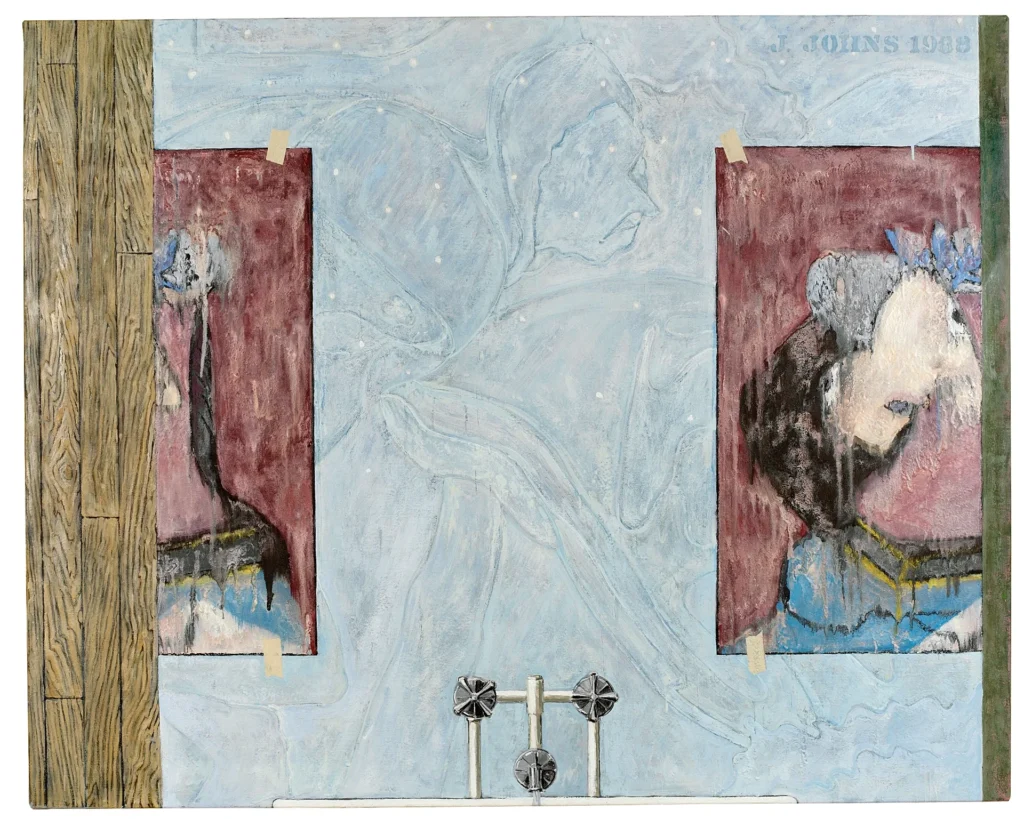
More than 90 works trace four decades of Emin’s career through painting, sculpture, textiles, video, neon and installation. At its centre is My Bed, the controversial 1998 work in which an unmade bed and the debris surrounding it became an unsparing record of emotional collapse.
The retrospective places Emin’s early explorations of sexuality, trauma and abortion alongside work created after her treatment for bladder cancer. What begins as confession gradually becomes a meditation on survival, physical transformation and the determination to continue creating. The exhibition runs until August 31.

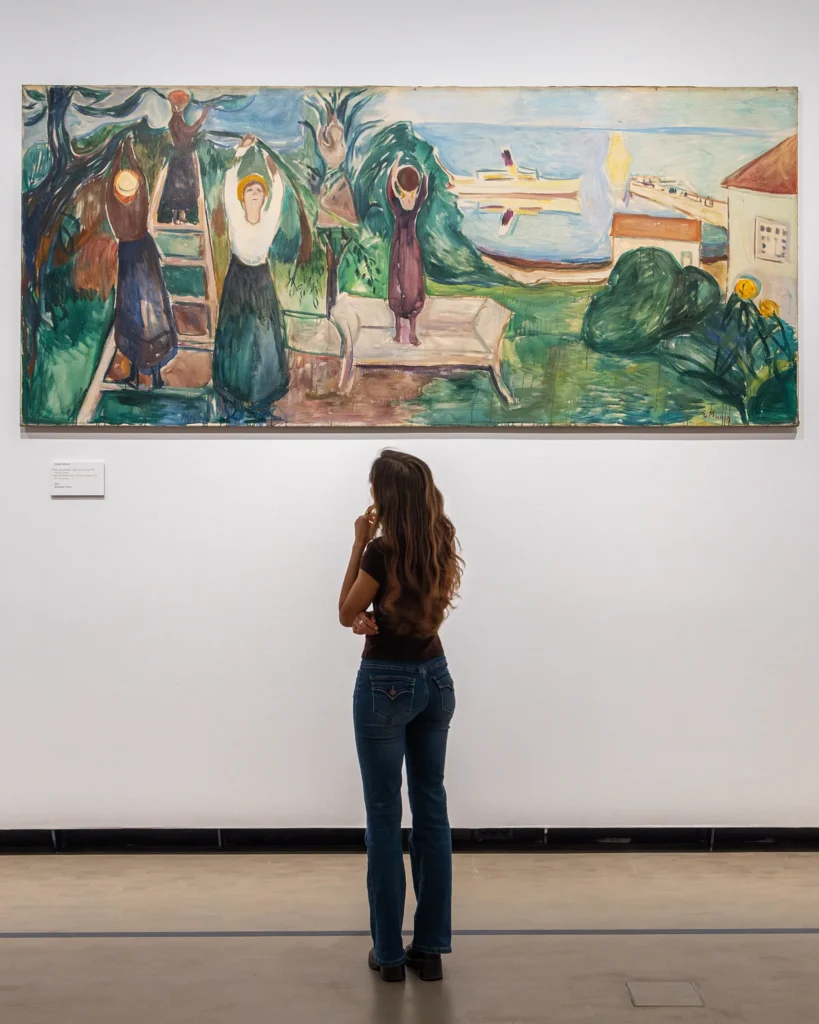
In Florence, Palazzo Strozzi brings together more than 70 works for a major Mark Rothko exhibition examining the American painter’s relationship with the Italian Renaissance city. Early figurative compositions, monumental colour fields and studies for landmark commissions reveal how architecture, spirituality and silence shaped his artistic language. The exhibition closes on August 23.
Berlin’s Gropius Bau turns to ritual and the human body with Marina Abramović’s Balkan Erotic Epic. Drawing from Balkan folklore, mythology and ancient traditions, the exhibition confronts sexuality not as spectacle but as a source of communal energy, spirituality and resistance.
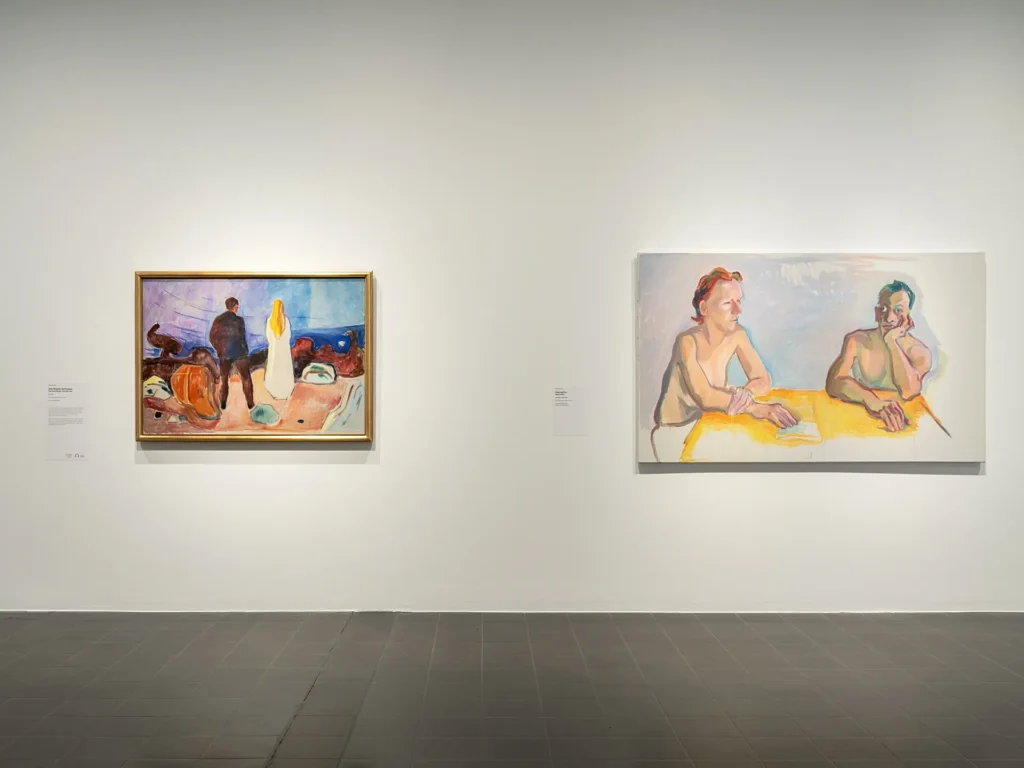
Meanwhile, the Venice Biennale continues to position the city as a global laboratory for contemporary art. Its 2026 edition, In Minor Keys, foregrounds quieter and historically marginalized forms of expression across national pavilions, institutional exhibitions and installations distributed throughout Venice.
Together, these exhibitions reveal a European art world less interested in comfortable admiration than in emotional confrontation. Fashion becomes sculpture, personal disorder becomes cultural testimony, colour becomes architecture and the body becomes an archive.
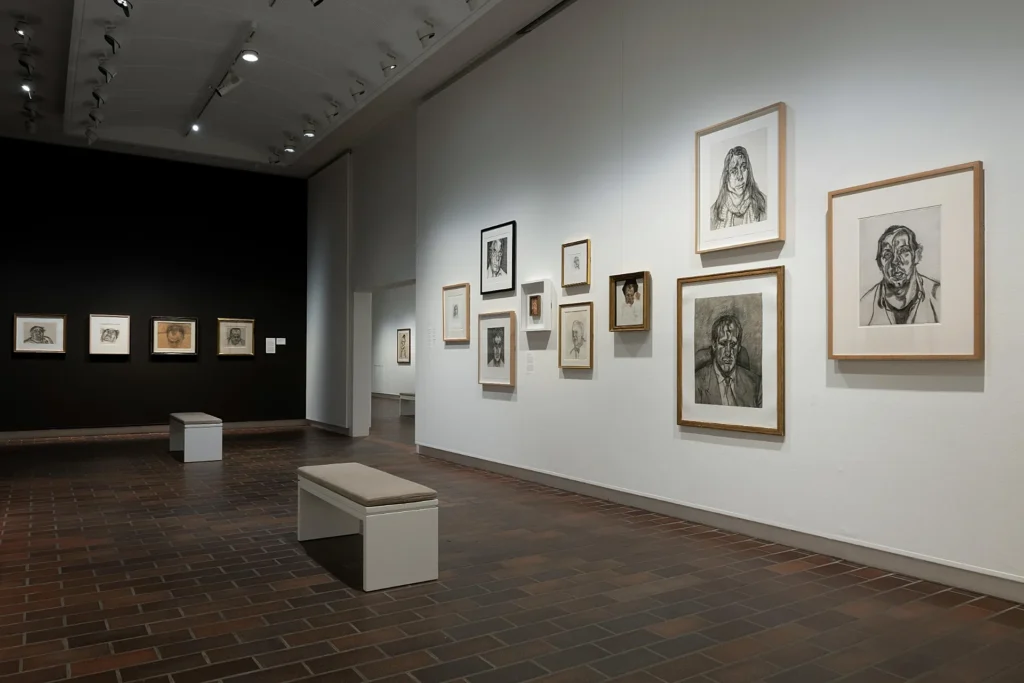
The most memorable works are not necessarily those that provide answers, but those that change the questions audiences carry when they leave.
Lo visible y lo oculto, en contexto. / The visible and the hidden, in context.