

 Phoenix 24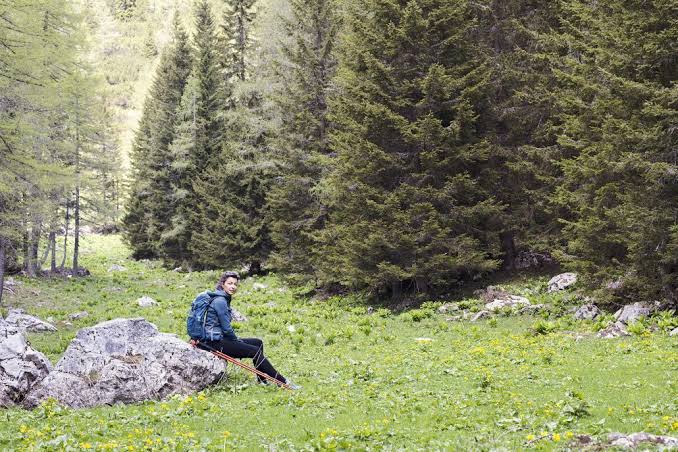
A simple habit gains scientific attention.
LONDON, UNITED KINGDOM — July 2026.
Spending more time outdoors during daylight may be associated with a lower risk of developing dementia, according to a large observational study based on adult health data. Researchers from Guangzhou Medical University examined the relationship between daytime light exposure and new dementia diagnoses over several years of follow-up. The study analyzed 87,577 adults who had no dementia diagnosis at the beginning of the observation period. Its findings suggest that a daily habit as simple as seeking stronger natural light could become part of broader prevention strategies for brain health.
The participants had an average age of 62, and nearly 57 percent were women. They were followed for a median period of 8.1 years, during which 741 new dementia cases were recorded. Unlike studies relying only on self-reported habits, this research used wrist-worn accelerometers over seven days to measure light exposure under real-life conditions. Dementia diagnoses were identified through primary care records, hospital admissions and death certificates, strengthening the reliability of the outcome data.

The central finding was that average daytime exposure above 1,000 lux was linked with a 16 percent lower risk of dementia. Lux is a measure of light intensity, and ordinary indoor lighting often remains far below the intensity produced by natural daylight. The analysis also indicated that duration mattered, not only intensity, because longer exposure to brighter light was associated with additional risk reduction. Researchers adjusted for several variables, including age, sex, education, lifestyle habits and medical history, to better isolate the role of daylight exposure.
The study identified three important daily thresholds involving brighter levels of light. Spending more than 1.40 hours at or above 3,000 lux, more than 0.70 hours at or above 5,000 lux, or more than 0.45 hours at or above 7,000 lux was associated with a lower dementia risk. The final threshold corresponds to roughly 27 minutes under relatively strong daylight. Exposure at 7,000 lux for at least that amount of time was linked with a 17 percent reduction in risk.

The researchers also examined nighttime light exposure, but they did not find a significant relationship with dementia risk in the overall analysis. Participants were divided into groups according to nighttime light intensity, yet dementia incidence did not differ meaningfully across those categories. However, the apparent protective effect of daytime light was stronger in certain subgroups, including people with more nighttime light exposure, evening chronotypes and carriers of the APOE epsilon 4 genetic variant. In those higher-risk groups, greater daytime light exposure was associated with reductions ranging from 30 percent to 41 percent.
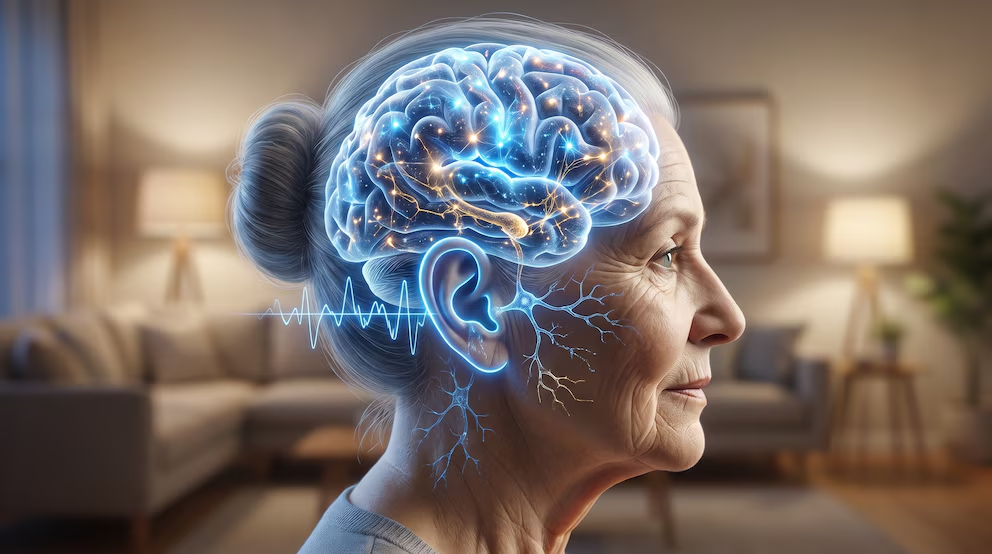
The biological explanation may involve the body’s circadian system, which helps regulate sleep, alertness, hormone rhythms and metabolic activity. Daylight is one of the strongest environmental signals used by the brain to align internal clocks with the outside world. The study also identified the fusiform cortex as a possible mediator between average daytime light above 1,000 lux and reduced dementia risk. Other brain-region findings and circadian markers were considered exploratory, and the study did not identify vitamin D as a major explanation for the observed association.
The public-health relevance is significant because modern societies spend much of the day indoors. Many offices, homes and commercial buildings provide only 300 to 500 lux of light, which is far below the levels associated with benefit in this study. This gap suggests that everyday routines may unintentionally reduce exposure to the kind of daytime brightness that supports circadian regulation. Improving access to daylight in homes, workplaces, schools, care facilities and public spaces could therefore become a practical brain-health consideration.
The findings should still be interpreted carefully because the research was observational and cannot prove that daylight directly prevents dementia. The United Kingdom Biobank sample also tends to include healthier and less socially disadvantaged participants than the broader population, which may limit generalization. Light was measured at the wrist rather than at eye level, even though the eyes are the main pathway through which light influences the brain. The exposure data were collected between 2014 and 2018, before later changes in screen use, lighting technology and nighttime digital habits became even more widespread.
For individuals, the message is practical but should not be exaggerated into a cure or guaranteed prevention method. Regular outdoor time, especially in the morning or earlier part of the day, may support sleep quality, mood, physical activity and brain health simultaneously. Safe exposure remains important, including hydration, shade when needed, protective clothing and sunscreen during periods of strong ultraviolet radiation. Daylight should be viewed as one modifiable habit within a wider prevention approach that also includes exercise, hearing care, blood-pressure control, social connection, sleep and cognitive stimulation.
Phoenix24 — Global news with clarity and perspective.