

 Phoenix 24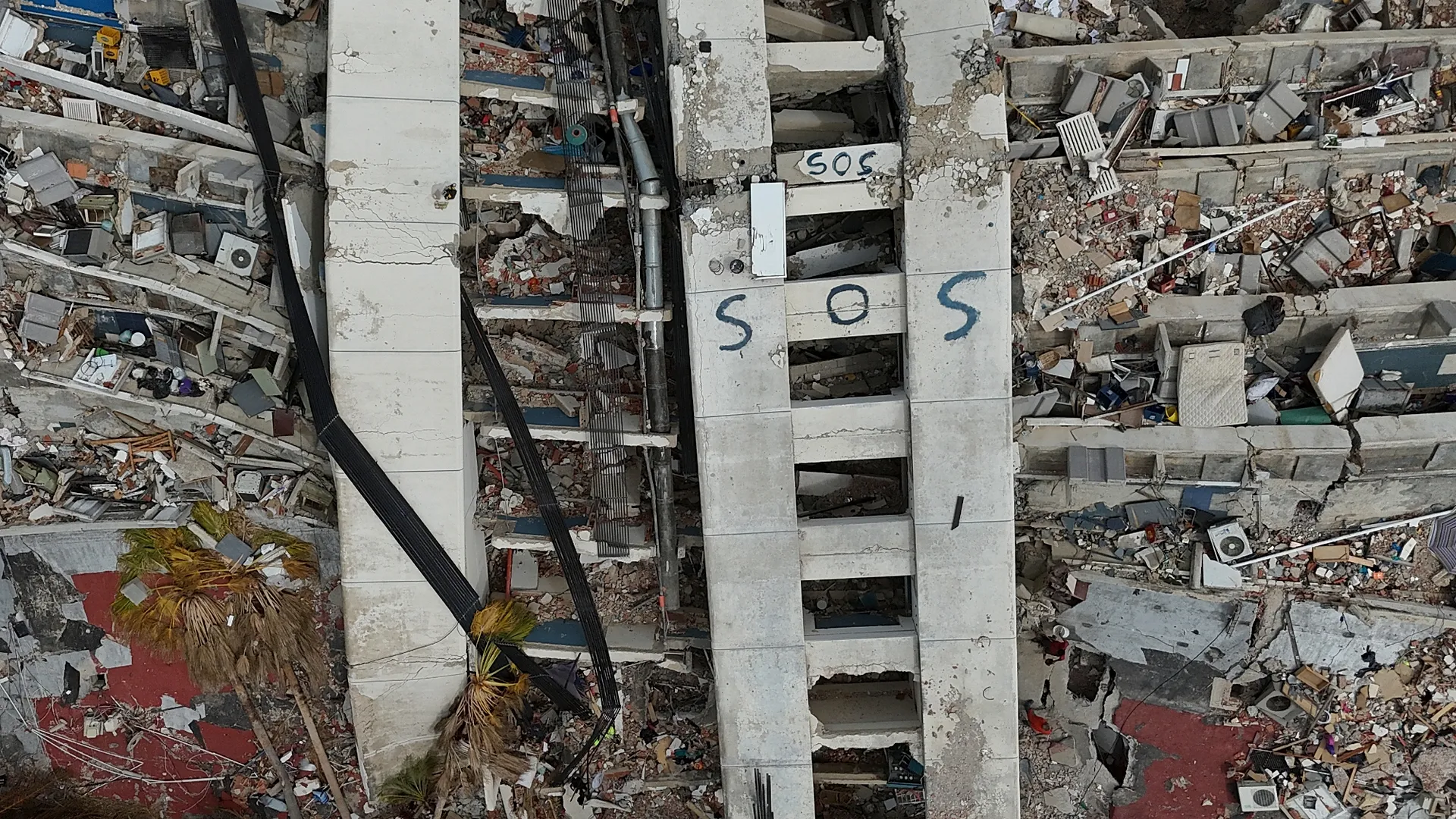
Medical needs rise as rescue operations continue.
LA GUAIRA, VENEZUELA — July 2026.
A European Union civil protection specialist deployed to Venezuela has warned that the country is approaching a severe public health crisis after two powerful earthquakes devastated its northern coastal region. João Almeida da Silva, one of 11 experts sent through the EU Emergency Response Coordination Centre, said humanitarian priorities are beginning to shift from search-and-rescue operations toward urgent medical assistance. Speaking from an operations base in La Guaira, he emphasized that time is becoming critical as heat, humidity and widespread destruction intensify risks for survivors. His assessment reflects growing concern that injuries, disrupted services and deteriorating living conditions could produce a second emergency after the immediate impact of the disaster.
The earthquakes, measured at magnitudes 7.2 and 7.5, struck within minutes of each other on June 24 and caused extensive destruction across densely populated areas. By July 2, the reported death toll had risen to approximately 2,300, while thousands of people remained injured, displaced or missing. La Guaira has become one of the principal centers of the emergency because residential buildings, commercial structures and essential infrastructure suffered widespread damage. Authorities and international teams are still attempting to determine the full scale of the catastrophe as new information emerges from affected communities.
Da Silva said the large number of missing people and the condition of the devastated areas indicate that medical needs will increase sharply during the coming days and weeks. Survivors may face untreated wounds, infections, dehydration, respiratory illness and complications linked to the interruption of regular healthcare. Damaged hospitals, disrupted transport and shortages of clean water can make even manageable conditions more dangerous when thousands of people require attention simultaneously. Prolonged exposure to intense heat and humidity also raises the risk of contamination and accelerates the deterioration of sanitation conditions in temporary shelters and crowded neighborhoods.
Search-and-rescue teams continue working through unstable ruins, although the probability of finding survivors declines as more time passes after a major collapse. A Portuguese team reportedly spent almost two days preparing a possible rescue before structural instability forced it to suspend work temporarily. International crews nevertheless retained hope after a Jordanian team rescued three-year-old Klieber Morán alive following six days beneath the rubble. Da Silva described each successful extraction as nearly miraculous while acknowledging that the overall figures remain far below what rescuers and families would wish to see.
More than 45 international teams have been deployed across the most heavily affected zones, with European personnel contributing technical specialists, coordination and operational support. The European Union activated its Civil Protection Mechanism soon after the earthquakes and positioned teams to work alongside Venezuelan authorities from the first stages of the response. The bloc also pledged five million euros in immediate humanitarian assistance for communities facing the greatest needs. Direct economic losses are expected to reach about 6.7 billion dollars, adding reconstruction pressure to a country already confronting serious institutional and economic constraints.
The next phase of the response will require more than emergency surgery and treatment for trauma sustained during the earthquakes. Health authorities must restore access to medicines, maternal care, chronic disease management, vaccination, mental health services and safe conditions for children and older adults. Clean drinking water, functioning sanitation systems and the controlled disposal of waste and human remains will be essential to prevent outbreaks. Temporary camps will also need adequate ventilation, food safety, disease surveillance and referral routes for patients who require specialized care.
Some Venezuelans have expressed frustration over what they describe as delayed or insufficient assistance from the military and state institutions. Images circulating from damaged communities have shown residents and volunteers digging through debris manually while waiting for specialized equipment and organized support. Da Silva avoided evaluating the government’s overall performance but noted that humanitarian organizations must cooperate with the military because it controls airports, ports and other strategic logistical points. He said coordination had improved in recent days and that local authorities were facilitating international operations despite being unprepared for a disaster of this magnitude.
The warning from the EU specialist underscores that the consequences of the earthquakes will continue long after the final rescue operations end. Preventing a major health emergency will depend on rapidly converting international solidarity into medical supplies, field facilities, clean water systems and sustained professional staffing. It will also require transparent coordination among Venezuelan institutions, foreign rescue teams, humanitarian organizations and affected communities. As attention gradually moves from the rubble to recovery, the ability to protect survivors from preventable illness may become the central measure of the national and international response.
Phoenix24 — Global news with clarity and perspective.