

 Phoenix 24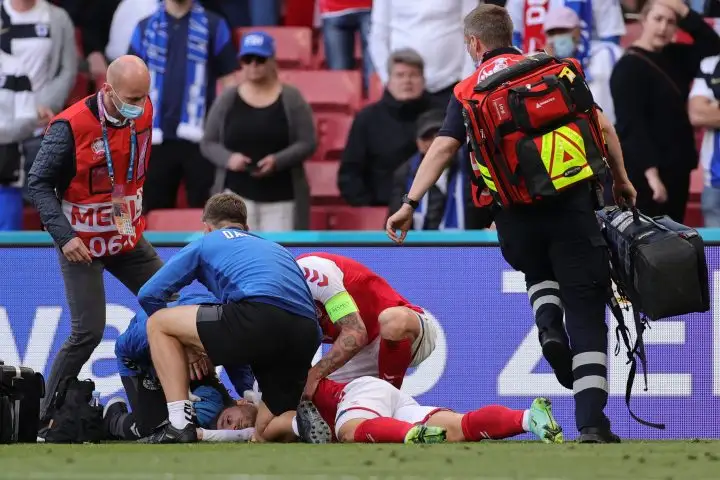
Hidden heart conditions can emerge under intense exertion.
LONDON, UNITED KINGDOM — July 2026.
Young people who appear physically fit can suffer sudden cardiac arrest when an undiagnosed heart disorder disrupts the organ’s electrical activity during exercise or another period of intense physiological stress. Athletic performance, muscular development and regular training do not guarantee that the heart is structurally or electrically normal. Some inherited conditions remain silent for years because the individual experiences no limitations during ordinary activity. Sudden cardiac arrest remains rare, but its unexpected nature makes early recognition, emergency preparation and specialist evaluation particularly important.
Cardiac arrest is different from a heart attack, although the terms are frequently confused in public discussion. A heart attack usually occurs when blood flow to part of the heart muscle becomes obstructed, while cardiac arrest develops when an electrical malfunction causes the heart to stop pumping effectively. The person may collapse, lose consciousness, stop breathing normally and have no detectable pulse within seconds. Immediate cardiopulmonary resuscitation and rapid use of an automated external defibrillator can significantly increase the possibility of survival.
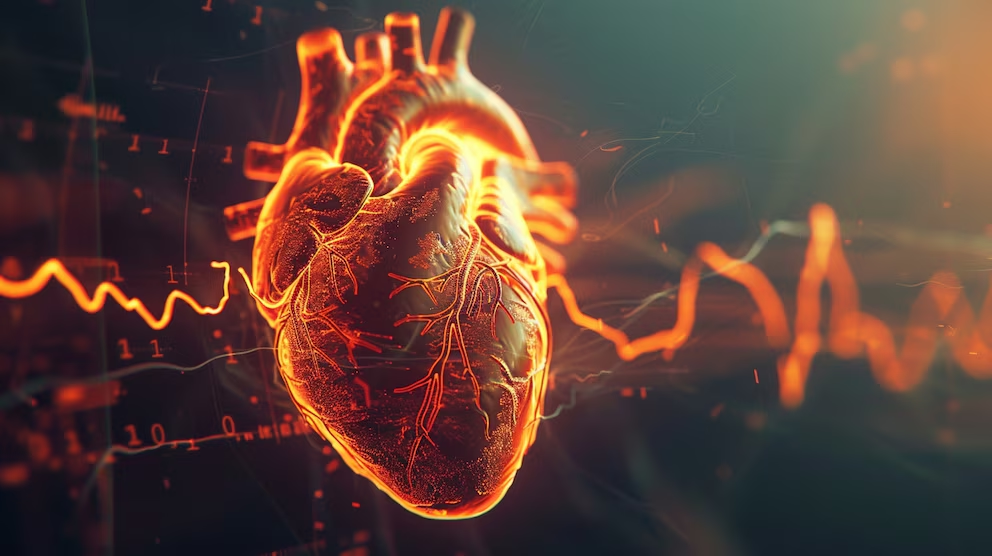
One important cause among younger athletes is hypertrophic cardiomyopathy, an inherited condition in which the heart muscle becomes abnormally thick and may obstruct blood flow or generate dangerous rhythms. Arrhythmogenic cardiomyopathy can replace healthy heart tissue with fibrous or fatty material, creating instability that may worsen with sustained high-intensity exercise. Congenital abnormalities involving the coronary arteries can also restrict blood flow when the heart is working at maximum capacity. Myocarditis, sometimes caused by a viral infection, may temporarily inflame the heart and increase the risk of rhythm disturbances if strenuous training continues before recovery.
Other patients have structurally normal-looking hearts but carry inherited electrical disorders known as channelopathies. Long QT syndrome, Brugada syndrome and catecholaminergic polymorphic ventricular tachycardia can interfere with the movement of electrical signals controlling each heartbeat. These disorders may produce dangerous arrhythmias during exercise, emotional stress, fever or exposure to certain medications. Because routine physical appearance and athletic ability reveal little about electrical stability, an apparently healthy competitor may remain unaware of the risk until symptoms or a serious event occurs.

Many sudden cardiac deaths in young people occur without a clearly recognized warning sign, but some individuals experience symptoms that deserve prompt medical investigation. Fainting during exercise, chest discomfort, unexplained palpitations, seizure-like episodes and breathlessness disproportionate to the activity should not be dismissed as poor conditioning or anxiety. A family history of unexplained death, cardiac arrest or serious heart disease before the age of 50 can also indicate an inherited vulnerability. Athletes should stop exercising and seek professional evaluation when these symptoms occur, especially when collapse or loss of consciousness develops during physical exertion.
Screening strategies commonly begin with a detailed personal history, family history and physical examination conducted before participation in organized sport. An electrocardiogram can identify some electrical abnormalities and patterns associated with cardiomyopathy, particularly when interpreted by clinicians trained in sports cardiology. Depending on the findings, doctors may recommend an echocardiogram, exercise testing, cardiac magnetic resonance imaging, ambulatory rhythm monitoring or genetic evaluation. No single test detects every condition, however, and experts continue debating whether universal electrocardiographic screening is more effective than targeted assessment based on symptoms and family risk.
The possibility of cardiac arrest does not mean that young people should avoid exercise, because regular physical activity provides substantial cardiovascular, metabolic and psychological benefits. The greatest concern arises when intense exertion interacts with a previously unidentified disorder capable of producing a fatal rhythm. Athletes diagnosed with heart disease require an individualized assessment rather than an automatic assumption that all physical activity must end. Specialists can consider the precise condition, genetic profile, symptoms, treatment response and intensity of the proposed sport before recommending safe participation limits.

Emergency preparedness remains essential because screening cannot identify every vulnerable person before an incident occurs. Coaches, teachers, teammates and relatives who recognize cardiac arrest, begin chest compressions and retrieve an automated external defibrillator can determine whether a collapse becomes survivable. Sports facilities should keep defibrillators visible, accessible and regularly maintained rather than locked inside offices or stored far from playing areas. Emergency action plans should also assign specific responsibilities for calling medical services, beginning resuscitation, directing responders and documenting the event.
Fitness should therefore be understood as evidence of physical capability rather than proof that every aspect of cardiovascular health has been examined. A young athlete may train and compete successfully while carrying a silent structural or electrical condition that only becomes dangerous under particular circumstances. Paying attention to exertional symptoms, unexplained family deaths and appropriate medical screening can reveal risks before they produce an emergency. When cardiac arrest occurs, rapid recognition, immediate cardiopulmonary resuscitation and early defibrillation remain the most decisive interventions available.
Phoenix24 — Global news with clarity and perspective.