

 Phoenix 24
Hydration and diet remain central to urinary health
Mexico City, Mexico | June 2026
Kidney stones are a common health problem that can cause intense pain, urinary complications and repeated medical visits, but many cases can be reduced through daily preventive habits. Specialists emphasize that hydration, diet, salt control and medical follow-up play a central role in lowering the risk of stone formation. These hard mineral deposits develop when substances such as calcium, oxalate, uric acid or cystine become concentrated in the urine. Prevention begins with keeping urine diluted and avoiding dietary patterns that increase mineral accumulation.
Hydration is the most important recommendation because water helps prevent crystals from forming and growing inside the kidneys. People with a history of kidney stones are usually advised to drink enough fluids to produce abundant, pale-colored urine throughout the day. Water should be prioritized over sugary drinks, excessive soft drinks or beverages with high fructose content, which may increase stone risk in some individuals. In hot climates or during physical activity, fluid intake must increase because sweating reduces urine volume and concentrates minerals.
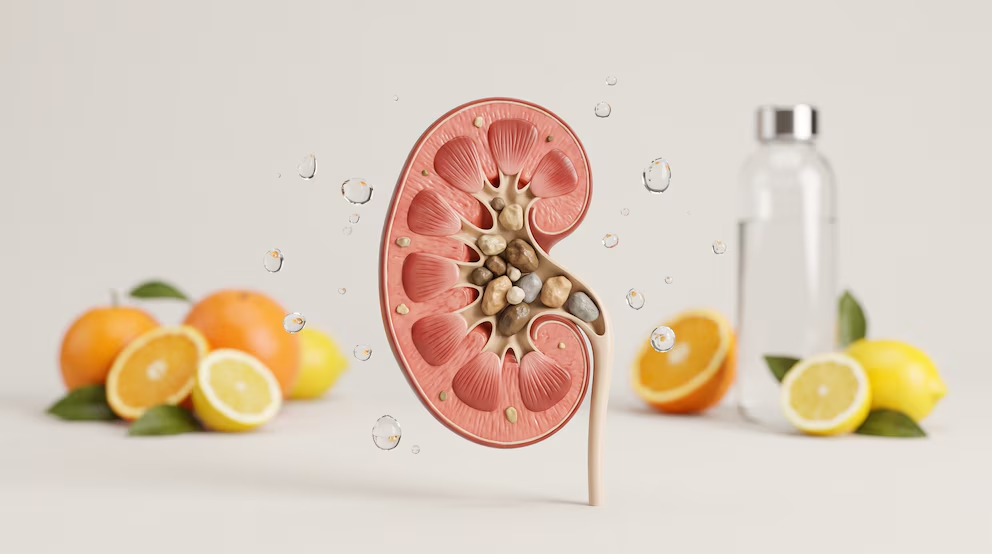
Diet also plays a decisive role, but prevention does not mean eliminating all calcium. In fact, moderate calcium intake from food can help reduce the absorption of oxalate in the intestine, lowering the risk of certain stones. The problem often comes from excessive salt, high animal-protein intake and diets rich in processed foods. Reducing sodium helps the kidneys excrete less calcium into the urine, which can lower the chance of calcium-based stone formation.
Foods high in oxalate may need moderation for people prone to calcium oxalate stones. These can include spinach, beet greens, nuts, chocolate, tea and certain legumes, depending on the individual case. However, dietary restrictions should be guided by medical evaluation because not all kidney stones have the same cause. A person with uric acid stones may require different recommendations than someone with calcium oxalate stones.
Citrus fruits can be useful because citrate helps inhibit stone formation. Lemon, lime and other citrus sources may support urinary chemistry when included as part of a balanced diet. Some patients may also receive potassium citrate or other medical treatments if they have recurrent stones or specific metabolic abnormalities. The key is not only drinking more fluids, but improving the chemical environment of the urine.
Weight control and metabolic health also matter. Obesity, insulin resistance, diabetes and high uric acid levels can increase the likelihood of kidney stones. Regular physical activity, balanced meals and reduced consumption of ultra-processed foods can help improve overall urinary and metabolic health. Prevention therefore connects kidney care with broader lifestyle habits that also protect the heart, liver and blood vessels.
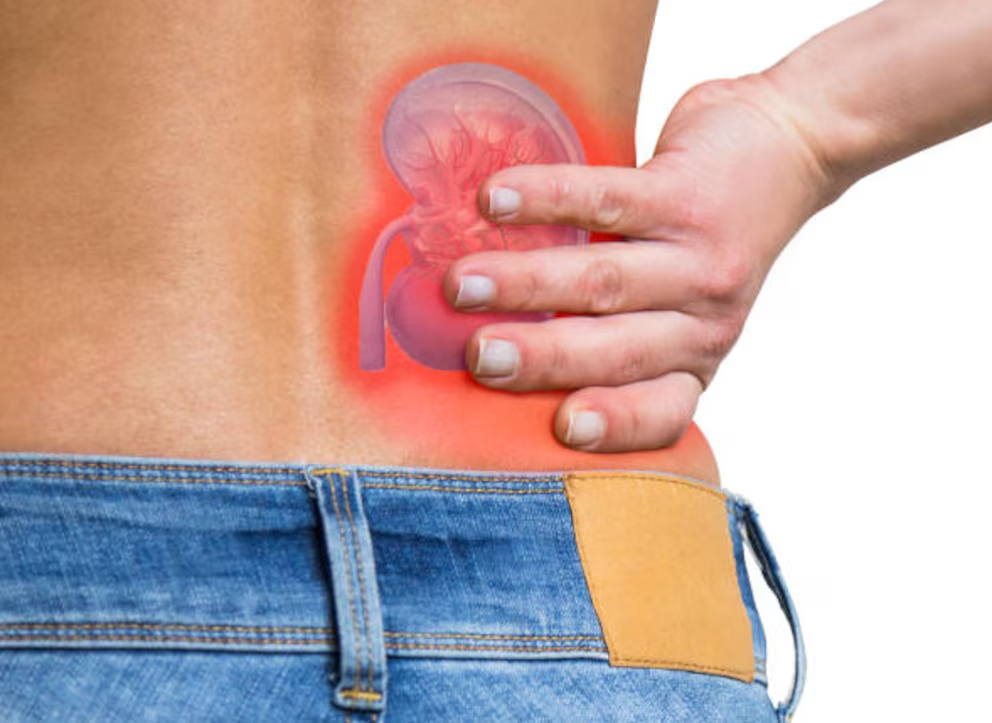
People who have already had a kidney stone should not rely only on general advice. Medical evaluation can identify the type of stone, urine composition and possible metabolic causes. A 24-hour urine test may help determine whether the patient has excessive calcium, oxalate, uric acid or low citrate levels. This allows physicians to recommend more precise changes instead of applying the same diet to every patient.
Kidney stones can be extremely painful, but prevention is often possible with consistent habits. Drinking enough water, limiting salt, moderating animal protein, maintaining adequate dietary calcium and following medical guidance can significantly reduce risk. The most important message is that small daily choices influence kidney health over time. A preventive routine can help avoid future episodes and protect the urinary system before symptoms appear.
Phoenix24 News | Information with responsibility.