

 Phoenix 24
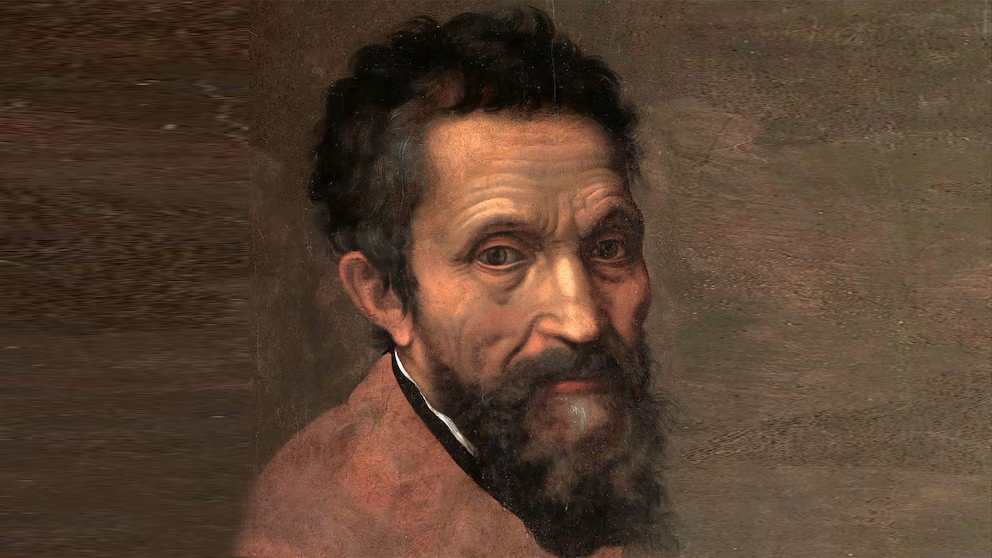
Discovery and doubt now share the frame.
Florence, March 2026
A newly attributed painting and a debated bust are pushing Michelangelo back into one of the most volatile zones in art history: the space where scholarship, prestige, and market value collide. The controversy is not simply about whether two objects can be tied to one of the Renaissance’s most studied figures. It is about how cultural authority is produced when new claims challenge a canon that many experts consider already closed. The painting at the center of the debate, Spirituali Pietà, has been presented by Belgian scholar Michel Draguet as a previously unknown Michelangelo work from the 1540s, while other leading specialists have rejected that attribution outright.
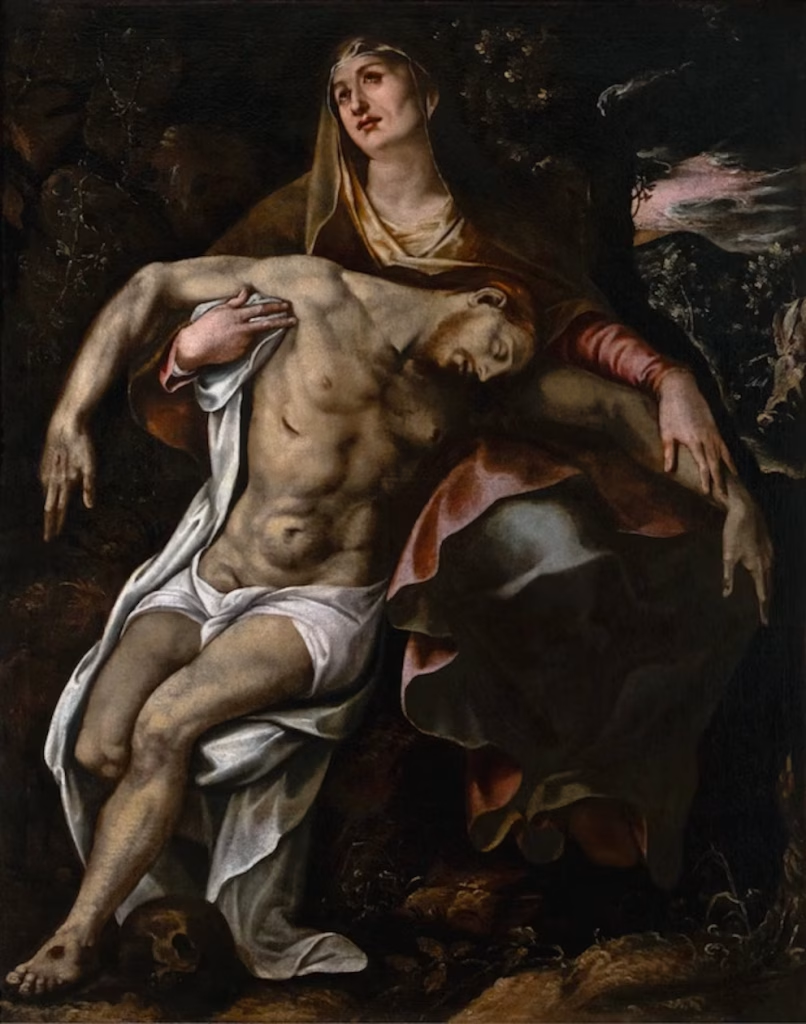
That matters because Michelangelo is not an artist with a loose or expandable catalogue. Quite the opposite. His accepted body of work has long been treated as one of the most tightly bounded in Western art history. That is precisely why the new claim has generated such forceful resistance. Draguet’s argument reportedly rests partly on the discovery of stylized monograms and technical analysis suggesting the linen and palette date to the sixteenth century. Yet prominent Renaissance scholars have dismissed the attribution in blunt terms, arguing that the painting has nothing to do with Michelangelo stylistically and stressing that the artist’s canon is already fully accounted for.
The significance of the dispute goes beyond connoisseurship. In the art world, attribution is never only about authorship. It is also about institutional legitimacy, historical narrative, insurance value, museum interest, and symbolic power. A work newly recognized as Michelangelo would not simply enter a catalogue. It would alter exhibition politics, market expectations, and the hierarchy of Renaissance scholarship. That is why technical evidence alone rarely settles such debates. Material dating can confirm age, but it cannot by itself prove genius. The harder question is whether the object genuinely belongs inside the mental and formal universe of the master to whom it is being attached.
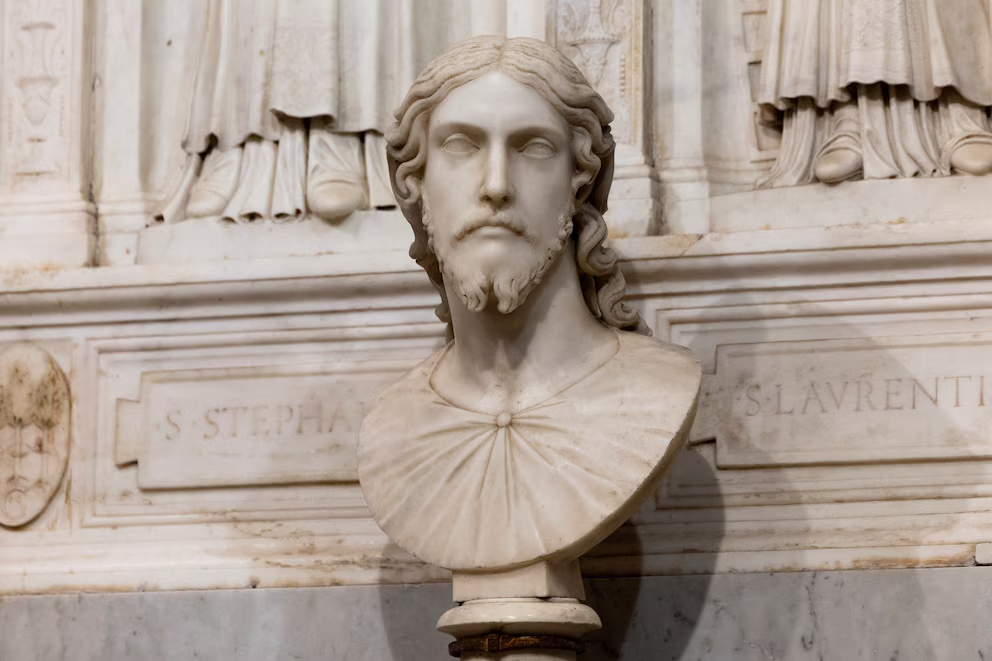
This is where the bust becomes equally important, even if for a different reason. Sculptural rediscoveries and disputed identifications often function as stress tests for the authority of archives, experts, and collecting histories. They force the field to confront an uncomfortable fact: art history is not only a record of certainty, but also a battlefield of interpretation. A bust associated with Michelangelo can acquire enormous narrative weight even before consensus exists, because the possibility of rewriting the story becomes news in its own right. In that sense, the controversy is not a side effect of discovery. It is part of the discovery economy itself.
There is also a broader pattern here. The more complete a historical canon appears, the more explosive any attempted addition becomes. With lesser-known artists, reattributions can quietly reshape understanding over time. With Michelangelo, every such move becomes a public event because it touches one of the foundational mythologies of European art. A newly claimed work does not merely add information. It threatens to disturb a structure of certainty built by generations of scholarship, museums, and cultural memory. That is why these episodes so quickly divide experts into camps of possibility and refusal.
Still, skepticism should not be confused with intellectual rigidity. Serious scholarship requires resistance precisely because the stakes are so high. If every technical coincidence or suggestive mark were accepted as proof, the canon would become vulnerable to wishful interpretation, institutional vanity, and market opportunism. At the same time, absolute closure can also become a kind of dogma, one that leaves too little room for genuine surprises. The tension between openness and discipline is what makes attribution debates both exhausting and essential.

What this episode ultimately reveals is not just uncertainty around two objects, but a larger truth about cultural authority. The history of great artists is never as settled as institutions like to pretend, yet it also cannot be rewritten on enthusiasm alone. Between those poles lies the real terrain of art-historical power: evidence, style, technical analysis, reputation, and the willingness of experts to defend or reject a claim under public pressure.
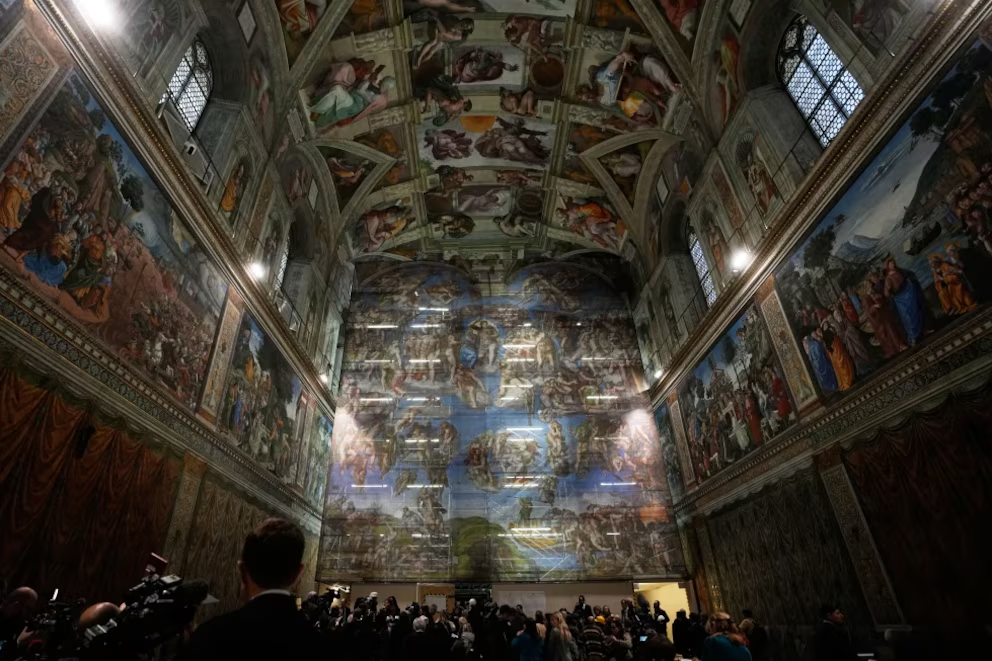
So the real story is not only whether a painting or a bust will remain attached to Michelangelo. It is that Michelangelo still exerts enough symbolic force to make scholarship itself look like a contested theater of legitimacy. Even centuries later, his name does not simply identify works. It reorganizes the value of everything around them.
The visible and the hidden, in context. / Lo visible y lo oculto, en contexto.