

 Phoenix 24

Price rumors are never only about money.
Cupertino, February 2026.
A leaked estimate for the iPhone 18 Pro’s starting price is being framed as consumer news, but it is more accurately a signal about how Apple wants the next upgrade cycle to feel. The figure circulating aligns with a familiar anchor, roughly 1,099 dollars for the Pro and 1,199 dollars for the Pro Max, mirroring the prior generation’s baseline pricing. The emphasis is not the number itself, but the restraint implied by keeping that number stable while component costs are widely reported to be rising. In a market where premium phones increasingly compete on on device AI, memory, and camera pipelines, flat pricing becomes a strategic choice rather than a default.
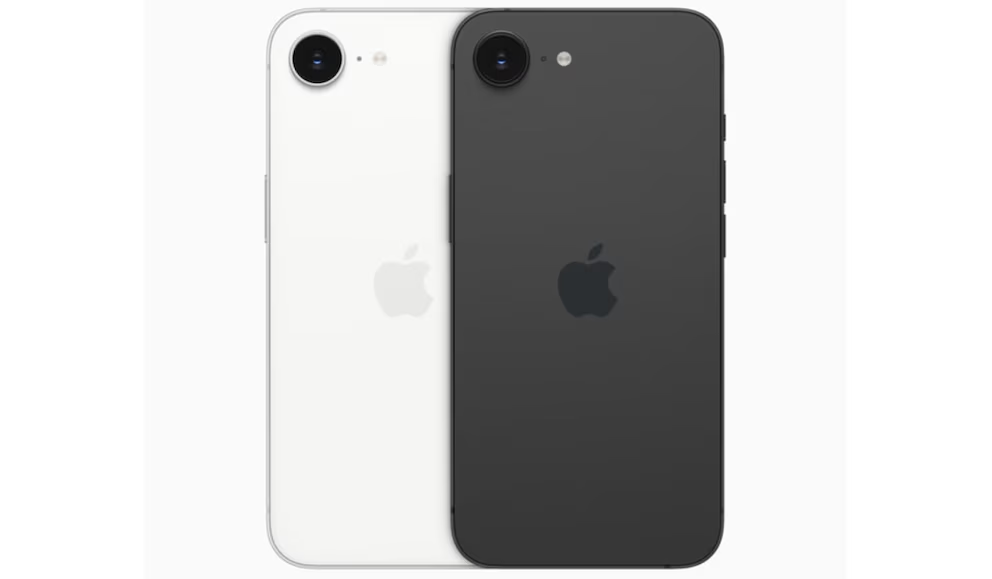
The leak narrative is being tied to analyst commentary that Apple is trying to avoid raising headline prices “as much as possible,” a phrase associated with supply chain watchers in Asia and repeated across tech coverage in the United States. That posture is credible because the premium tier depends on psychology as much as specifications, and price is the most legible variable for mainstream buyers. A higher starting price can be defended if it comes with a visible new form factor or a dramatic feature jump, but incremental improvements rarely carry the same permission to charge more. Apple’s apparent effort is to keep the sticker stable while shifting value into storage tiers, services attach, and upgrade financing, which is where price increases can be hidden in plain sight.
At the same time, the cost backdrop has changed in ways that make flat pricing harder than it looks. Reuters has reported that memory markets are under pressure and that major suppliers, including Samsung, SK Hynix, and Micron, are benefiting from AI driven demand that is tightening global supply. Analysts cited in U.S. financial coverage have argued that memory inflation alone could push the next iPhone generation toward meaningful cost increases, with some estimates suggesting a mid teens rise would not be irrational if passed through directly. The tension is obvious: the supply chain wants higher unit economics, while Apple wants to protect the consumer facing threshold that governs upgrade decisions.
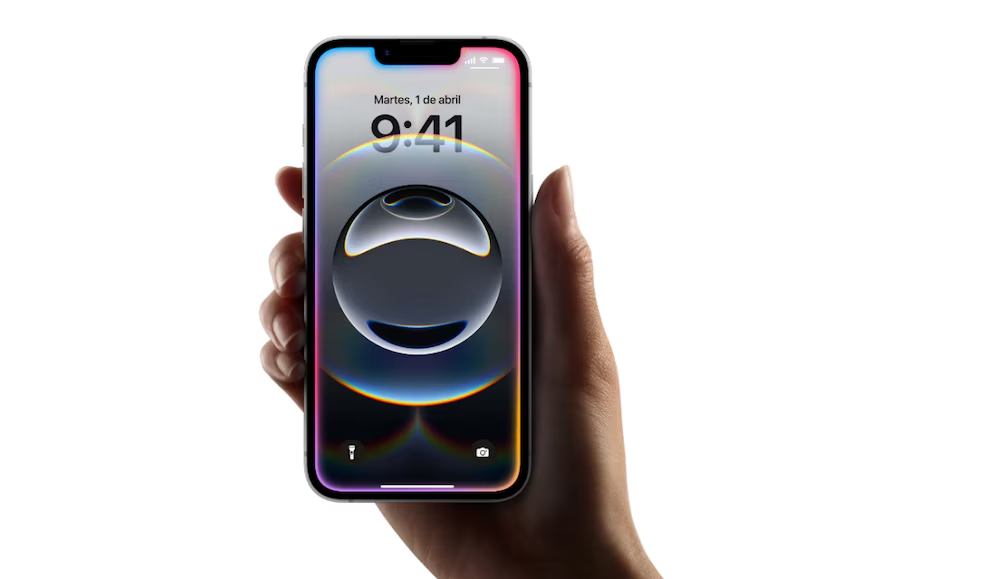
This is where the iPhone price story stops being about a single product and becomes about platform leverage. Apple can negotiate component pricing from a position most manufacturers do not share, and it can absorb margin compression for strategic periods if it believes the payoff is a larger installed base ready for new software capabilities. Reuters has described Apple as better insulated than many rivals because of purchasing scale and long supplier relationships, even as the industry faces a broader shipment slowdown. The implication is that Apple can choose between two forms of dominance: maintain prices to pressure competitors, or raise prices and normalize a premium inflation cycle that others will follow.
The leaked price also lands amid a second constraint, advanced chip costs, which are increasingly driven by foundry capacity and process node competition. Tech reporting tied to analyst notes has suggested that next generation silicon, often discussed in relation to a two nanometer class process, could arrive at a higher cost per wafer than previous nodes. In Asia, where the foundry ecosystem is most visible, the logic is straightforward: more advanced processes are scarce, yield ramps are delicate, and demand from AI adjacent workloads is competing for capacity. If Apple wants more on device intelligence and more memory headroom without raising the baseline price, it must win a procurement chess match across multiple tiers of suppliers.
That procurement posture explains why a flat price leak can be read as a corporate intent statement rather than as confirmed fact. Apple has not publicly announced iPhone 18 Pro pricing, and the company’s historical pattern is to keep pricing decisions close until launch. Yet the leak is still useful because it indicates where analysts believe Apple’s internal target is positioned: avoid a consumer shock while managing rising bills of materials through negotiation and product mix. In other words, the leak is not a promise, it is a hypothesis about how Apple will defend demand without surrendering margin completely.
The consumer side of the equation is more fragile than many premium phone narratives admit. The upgrade cycle has lengthened globally, and buyers are more likely to keep devices longer unless they perceive a step change in experience. If the iPhone 18 Pro is marketed as an AI forward device, the sales argument becomes less about a single feature and more about a new baseline of responsiveness, camera processing, and privacy oriented intelligence. Financial coverage in the United States has highlighted how investors are watching Apple’s AI direction as a catalyst, implying that Apple may accept short term cost pressure to accelerate a longer upgrade wave. That makes a flat starting price strategically coherent, because it lowers friction at the precise moment the company needs users to move.
Europe adds another layer because price perception is not uniform across currencies, taxes, and import structures. Even if U.S. starting prices remain unchanged, final pricing in European markets can shift due to exchange rates and regional pricing policies, creating a different lived reality for consumers. This is why the leak should be read as a U.S. anchor rather than a global guarantee, even if the narrative is amplified worldwide. It also reinforces the central point: Apple’s price stability is often an optics strategy, while the real adjustments happen through storage ladders, regional conversions, and financing terms.
The most important takeaway is that the iPhone 18 Pro price leak functions as a proxy battle between two pressures that define consumer technology in 2026. One pressure is input inflation, driven by memory scarcity, advanced chip costs, and the premiumization of camera modules and thermal design. The other pressure is demand elasticity, the reality that consumers will not accept unlimited premium creep without a visible return. Apple’s alleged intent to keep the headline price steady is a way to preserve narrative simplicity while managing complexity behind the curtain.
If the rumored figures hold, the story will not be that Apple kept prices flat. The story will be that Apple tried to keep the upgrade threshold psychologically intact while the underlying economics moved against it. That is the kind of corporate move that reveals power, not in press releases, but in the ability to shape what inflation feels like to the consumer. The number matters, but the structure behind the number is what determines whether the next generation becomes a mass upgrade moment or a quiet iteration.
Lo visible y lo oculto, en contexto. / The visible and the hidden, in context.