

 Phoenix 24
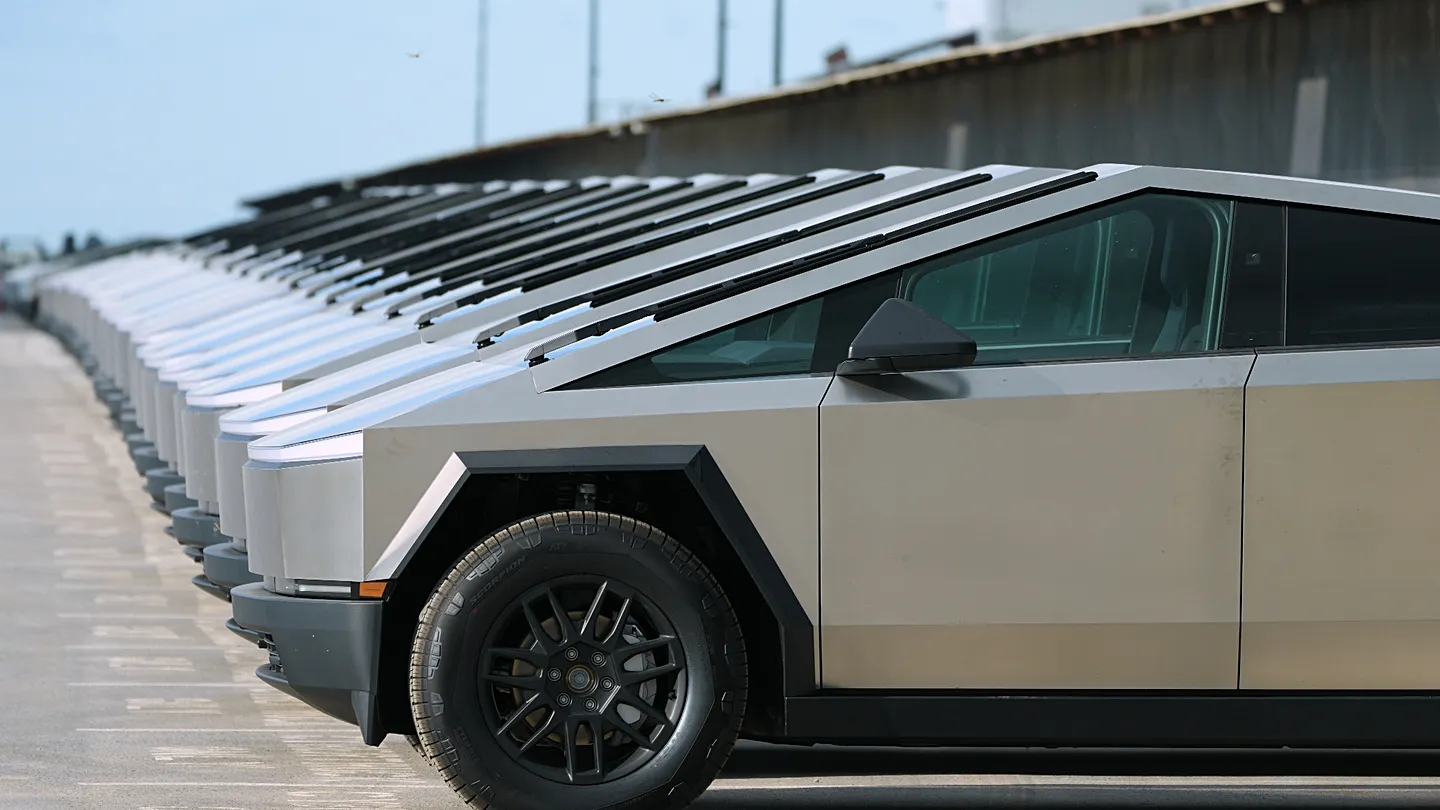
The future of Tesla is shifting toward autonomy.
AUSTIN, TEXAS
Tesla plans to wind down production of its Cybertruck around mid-2027, redirecting manufacturing capacity at its Texas Gigafactory toward the Cybercab, an autonomous vehicle central to Elon Musk’s ambitions for the company’s future. The decision marks a significant strategic shift for a pickup truck once presented as a revolutionary product capable of transforming the American automotive market.
Musk announced the move on November 6, explaining that additional factory space would be needed to expand Cybercab manufacturing. He did not clarify whether Cybertruck production would move elsewhere or end permanently, leaving questions about the vehicle’s long-term availability and outstanding customer orders.
The announcement follows several years of disappointing commercial performance. According to Kelley Blue Book estimates cited by Reuters, American Cybertruck sales fell from 38,965 vehicles in 2024 to 20,237 in 2025, a decline of approximately 48%. Those figures contrast sharply with Musk’s earlier ambition to produce 250,000 units annually.
Introduced in 2019 and delivered to customers beginning in late 2023, the Cybertruck attracted considerable attention for its angular stainless-steel body and unconventional engineering. Yet its distinctive appearance did not translate into sustained mass-market demand. Quality concerns, repeated recalls, changing prices and limited access to overseas markets complicated its commercial prospects.
European safety requirements also restricted the vehicle’s international expansion. Its weight, exterior construction and sharp-edged design raised substantial questions about compliance with pedestrian protection standards, leaving Tesla without access to a major electric vehicle market.
The manufacturing decision reflects a broader transformation underway at Tesla. Rather than concentrating exclusively on selling electric vehicles to individual consumers, Musk increasingly envisions a company built around artificial intelligence, autonomous transportation and robotics.
The Cybercab represents that ambition. Designed without conventional steering controls or pedals, the two-seat vehicle is intended to support a transportation network in which autonomous vehicles provide passenger services without human drivers. Tesla has already introduced limited commercial robotaxi operations in Austin, although the business model remains at an early stage.
Regulatory scrutiny presents another challenge. The National Highway Traffic Safety Administration has examined questions surrounding Cybercab’s certification and compliance with federal safety standards. Scaling production will therefore require more than manufacturing capacity: Tesla must demonstrate that its technology and operating arrangements satisfy applicable safety requirements.
The transition also illustrates a significant industrial trade-off. Factory space, specialized equipment and investment capital are finite resources. Expanding Cybercab production while reducing Cybertruck output indicates that Tesla is prioritizing a potentially larger autonomous mobility business over a vehicle whose demand has remained below expectations.
However, the financial outcome is uncertain. Cybertruck’s disappointing sales are measurable, while Cybercab’s long-term commercial potential remains largely unproven. Regulatory approvals, customer acceptance, operating costs and the reliability of autonomous driving systems will influence whether the new strategy generates sustainable returns.
For existing Cybertruck owners, Musk has indicated that the vehicles will continue receiving support, but the announcement leaves the model’s manufacturing future unresolved.
Tesla’s decision ultimately represents more than a production adjustment. It signals a shift in how the company intends to compete, moving from the promise of distinctive electric vehicles toward an increasingly ambitious vision of transportation powered by artificial intelligence.
Beyond the Headlines, Accountability Matters.