

 Phoenix 24
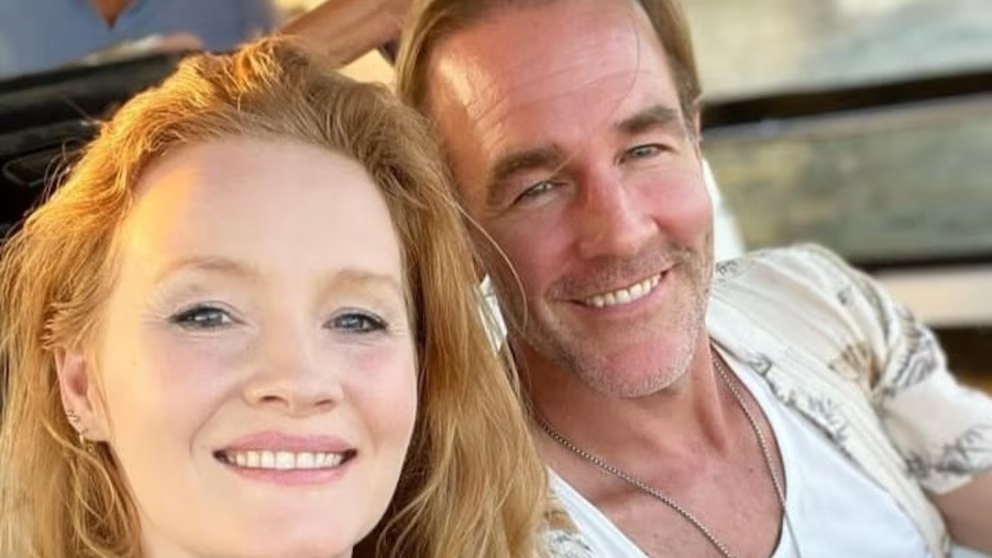
A GoFundMe After James Van Der Beek’s Death Exposes the Hidden Cost of Illness
Grief often arrives with invoices.
Los Angeles, February 2026.
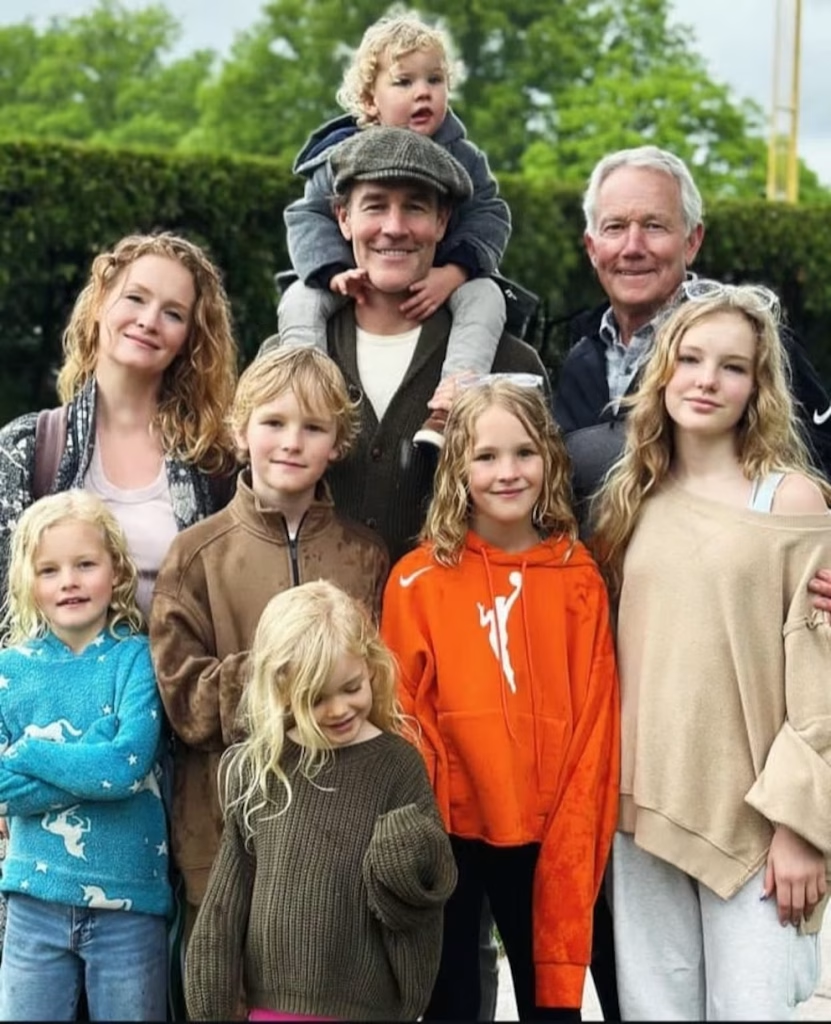
The reported death of James Van Der Beek has been followed by a public fundraising drive shared by his wife, Kimberly Van Der Beek, with a stated goal of raising 500,000 dollars to help support the family after an extended medical ordeal. On the surface it reads like a celebrity-adjacent story, a familiar pattern of fans rallying around a visible household in crisis. Underneath, it points to something more structural: when prolonged illness meets income disruption, caregiving demands, and unpredictable bills, even families with cultural capital can end up seeking an emergency backstop from the public.
This is the part many audiences underestimate. A long cancer trajectory is not only treatment costs. It is time away from work, travel, accommodation near care centers, support services, childcare logistics, and the compounding friction of managing life while the calendar is consumed by appointments. People often assume “medical bills” are the whole story, but financial toxicity, the term used in health economics and oncology research, includes the indirect costs that drain savings and destabilize routine. A public campaign becomes a way to compress that diffuse reality into a single, actionable ask: donate, share, help stabilize the next year.
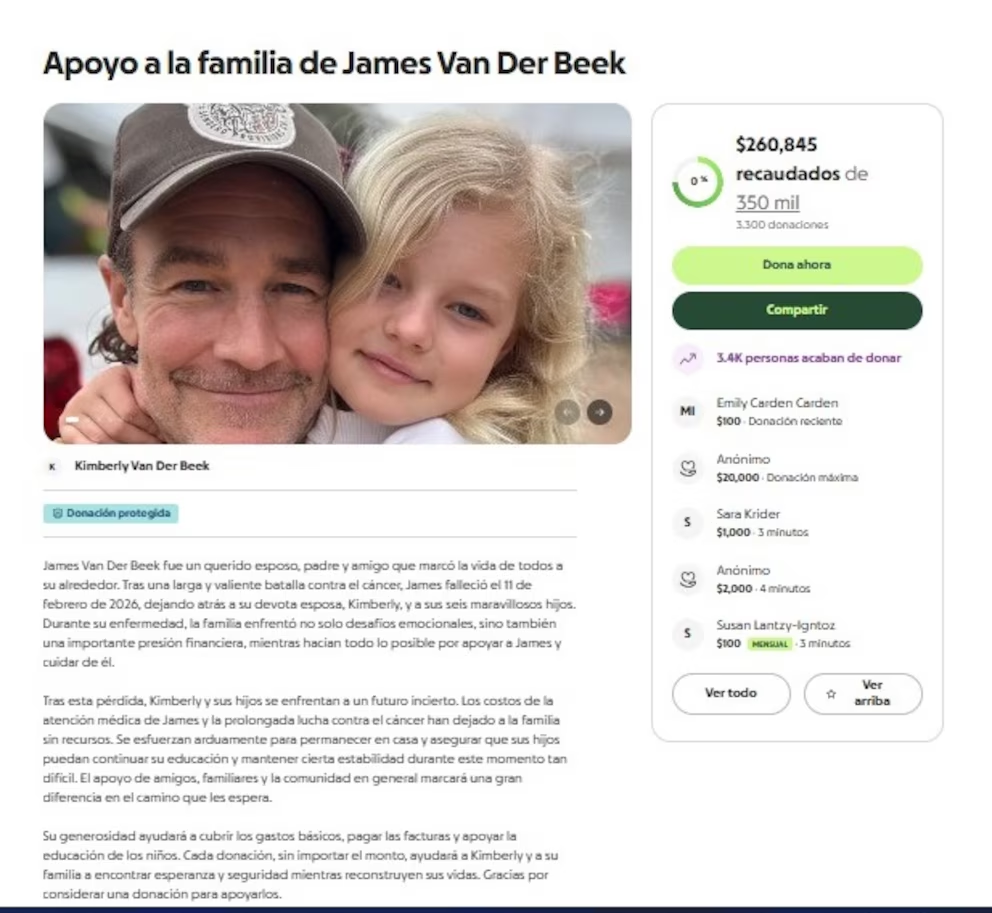
The speed at which campaigns like this can gain traction is also part of the modern media mechanics. Crowdfunding works when the narrative is legible and the identity is recognizable. In that sense, celebrity status is not just fame, it is distribution. It provides an instant network effect that can turn private loss into a collective response. That can be genuinely humane, thousands of people converting empathy into material support, but it also highlights a harsh asymmetry: families without visibility face the same economic pressures without the ability to convert attention into relief.
There is a second tension that often goes unspoken. When the public sees crowdfunding as a “solution,” it can unintentionally substitute for structural guarantees. The existence of a successful campaign can make the system look as though it self-corrects through community generosity, even though that correction is contingent on virality, not rights. Many households experience similar medical shocks in silence, without the traction needed to make the algorithm notice. The result is a two-tier reality: those with reach can stabilize faster; those without it absorb the full impact alone.
This is why the story lands beyond entertainment. It sits at the intersection of health, labor, and digital infrastructure. A platform designed for small-scale fundraising has effectively become an emergency layer in the social safety net. That shift is not inherently bad, but it is revealing. It tells you where formal buffers are thin, where insurance and savings are insufficient, and where the public is being asked to fill gaps through emotional mobilization.
In the end, the campaign’s stated goal is a number, but the meaning is the pattern behind it. A public figure dies, a family confronts the aftermath, and the internet becomes both a memorial space and a financial instrument. The empathy is real. The vulnerability is real too. And the uncomfortable lesson is that, in a high-cost medical environment, resilience is sometimes determined less by planning than by whether a crisis is visible enough for the crowd to respond.
Every silence speaks. / Cada silencio habla.