

 Phoenix 24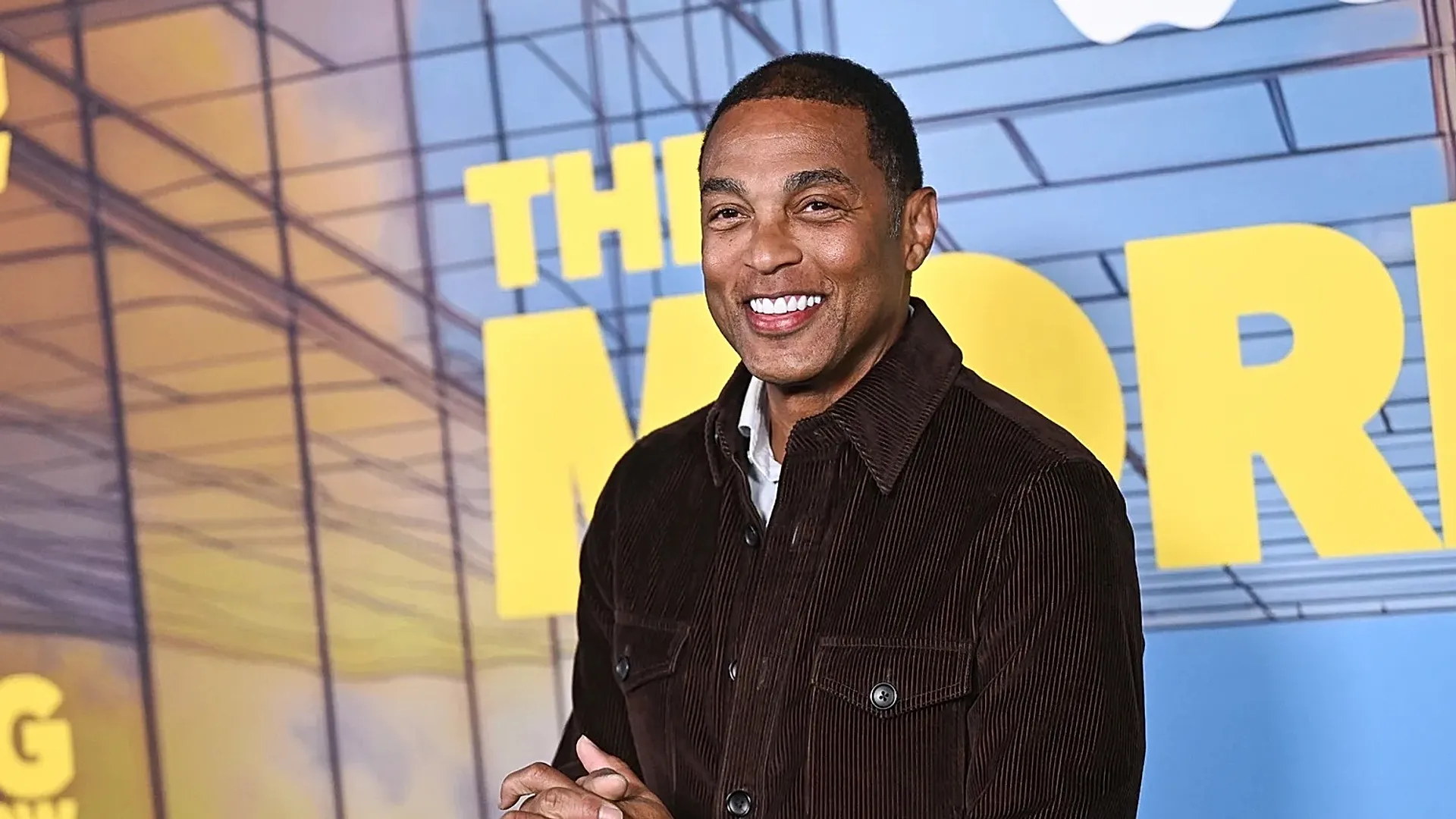
The line between reporting and prosecution is tested amid rising tensions over immigration enforcement.
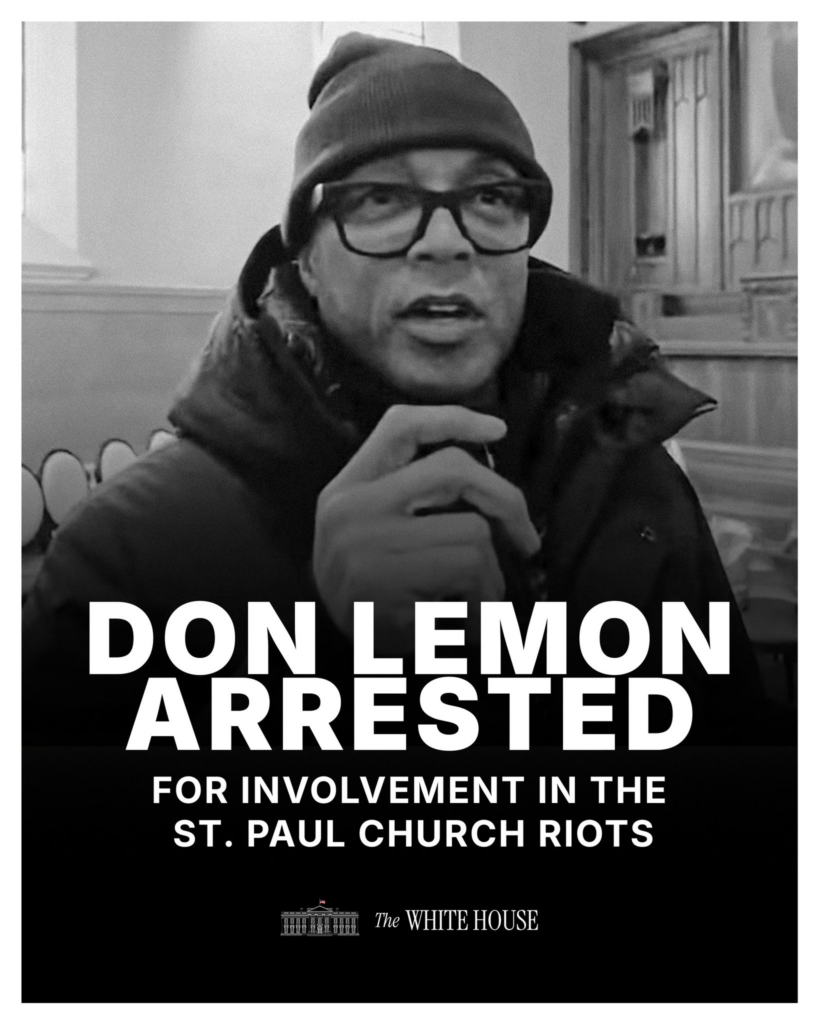
Minneapolis, January 30, 2026. American journalist Don Lemon was detained by federal agents after covering a protest against immigration enforcement that took place inside a church in Minnesota, an incident that has ignited a nationwide debate over press freedom, law enforcement authority and constitutional protections. Lemon was present to document the demonstration, which opposed the role of Immigration and Customs Enforcement and disrupted a religious service connected to a local immigration official. Authorities cited alleged legal violations related to the disruption, while Lemon and his legal representatives maintain that he was acting strictly in a journalistic capacity.
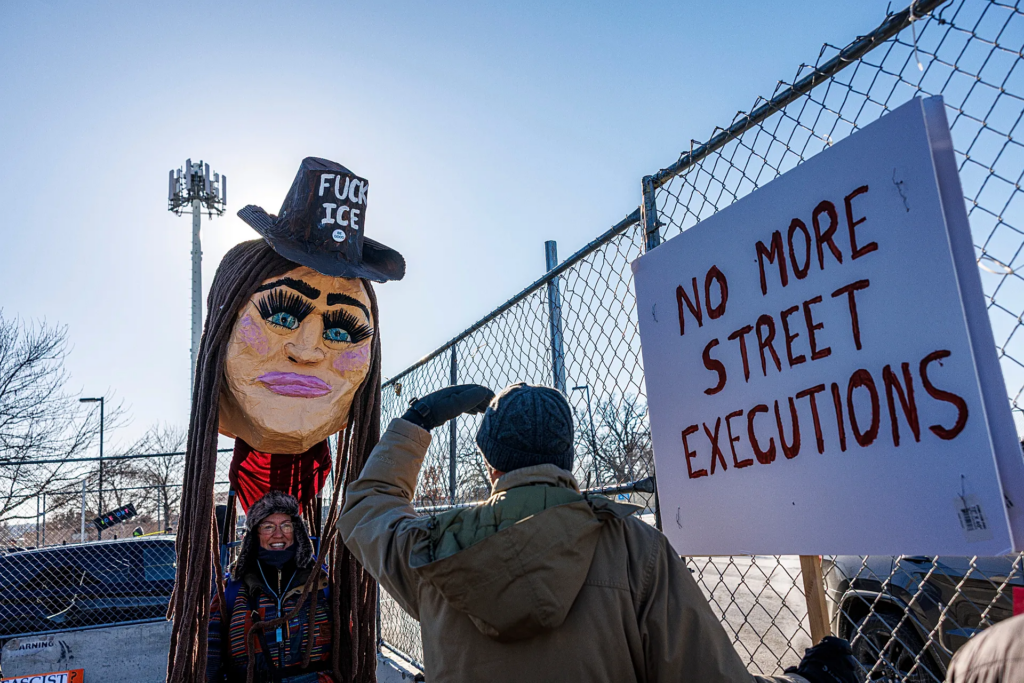
Federal officials confirmed that Lemon was detained along with other individuals connected to the incident, though the specific charges remain under legal review. Earlier judicial scrutiny reportedly questioned whether sufficient grounds existed for prosecution, intensifying criticism from press freedom advocates who argue that the detention risks setting a dangerous precedent for journalists covering politically sensitive protests. Lemon’s attorneys have emphasized that observing, recording and reporting on public demonstrations is a core journalistic function protected under the First Amendment.
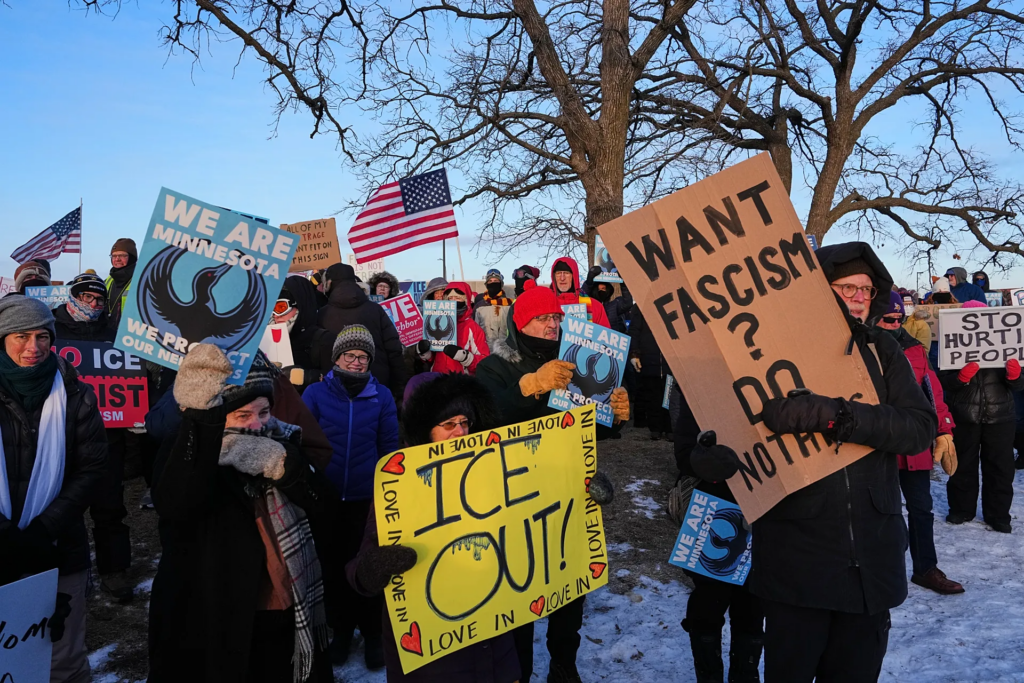
The protest itself occurred against a backdrop of heightened national tension surrounding immigration policy and enforcement practices. Demonstrations against federal immigration agencies have increased in several states, often intersecting with religious institutions and community spaces that position themselves as sanctuaries or moral counterweights to enforcement actions. Lemon’s coverage included interviews and live documentation aimed at capturing the voices and motivations of demonstrators rather than participating in the protest.
Civil liberties organizations and journalist associations have responded forcefully, warning that detaining reporters for their presence at protests may chill independent reporting and discourage media scrutiny of government actions. They argue that when journalists face detention while covering demonstrations, the public’s right to information is weakened, especially in moments of social conflict where transparency is most needed.
Supporters of strict enforcement contend that places of worship must be protected from disruption and that no individual, including journalists, should be exempt from legal boundaries. Critics counter that such arguments blur the distinction between participation and observation, placing journalists at risk whenever protests escalate or authorities broaden enforcement interpretations.
Legal analysts note that the outcome of Lemon’s case could influence future standards governing media coverage of protests, particularly those involving federal agencies and contested policy areas. Courts may be asked to clarify how intent, behavior and proximity to events determine whether journalistic activity remains protected under constitutional law.
The case has also revived broader questions about the evolving relationship between the press and state power in polarized environments. As independent journalism increasingly operates outside traditional newsrooms and relies on direct coverage of unrest, legal frameworks designed for earlier media eras face renewed stress.
Whether charges proceed or are ultimately dismissed, the detention has already become a focal point in discussions about accountability, civil rights and the role of journalists in documenting dissent.
Behind every confrontation between authority and the press lies a deeper test of how democracy defines truth, oversight and the right to witness.